- Is a Vitamix actually worth it over a cheaper blender?
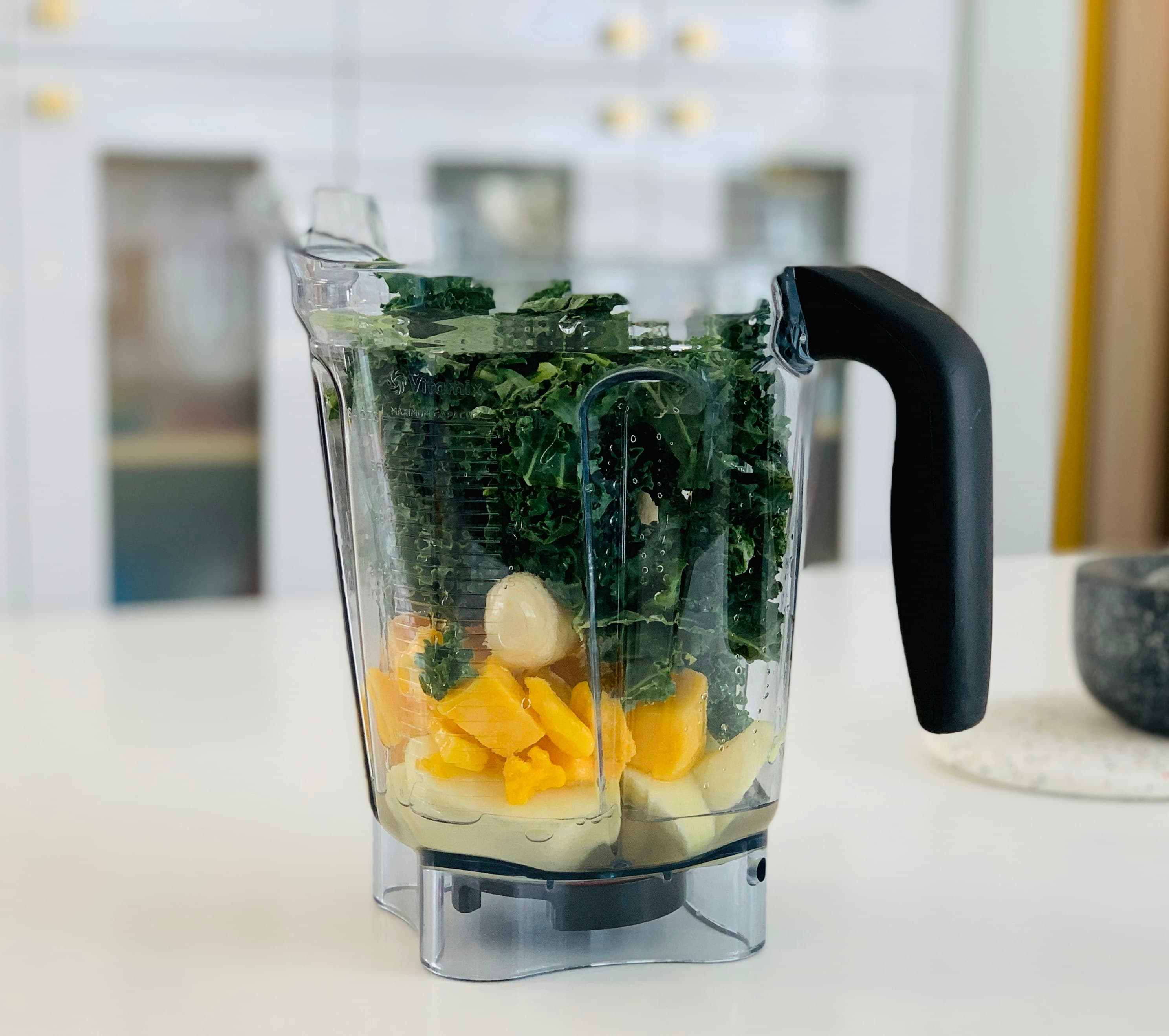
- It depends on how much you blend. If you make smoothies, soup, or nut butter most days, a Vitamix A3500 genuinely earns its ~$700 through best-in-class blend quality and a 10-year full warranty that makes cost-per-use trivial over a decade. If you make the occasional smoothie, a $150 Ninja delivers roughly 85% of the everyday result and the premium is hard to justify. Buy the Vitamix for daily use and longevity, not for bragging rights.
- Do I need a high-performance blender or will a personal blender do?
- A personal blender like the NutriBullet Pro 900 is perfect if your blending starts and ends with a single-serve smoothie: it is cheap, compact, and grab-and-go. But it caps out fast: no hot soup, no big batches, grittier textures, and cooling breaks on dense loads. If you want soup, family batches, silky nut butter, or a machine that lasts a decade, you need a full-size high-performance blender, not a bullet.
- Why is the Ninja our value pick over the premium machines?
- Because for most people it does about 85% of what a $500 to $700 machine does for a quarter of the price. Its 1800W-peak motor crushes ice and frozen fruit, the 72 oz pitcher handles family batches, and BlendSense auto-adjusts speed and time. It falls short on nut butter, fibrous greens, and hot soup, and the plastic pitcher and 1-year warranty are the weak links, but for everyday smoothies and frozen drinks, the price-to-performance is unbeatable.
- Which blender is quietest?
- The Breville Super Q, by a clear margin: it runs around 82 dB versus the near-100 dB of the Vitamix A3500 and the 94 to 108 dB of the Blendtec, and it gets there without a bulky sound enclosure. If blender noise has kept you from a high-performance machine (open-plan kitchen, early mornings, sleeping kids), the Super Q matches Vitamix on blend quality and warranty while running dramatically quieter.