Lighting
Statement fixtures that make the room.
- Chandeliers
- Pendant Lights
- Floor Lamps
- Sconces
Buying guides
Reviews
 Best Designer
Sonneman
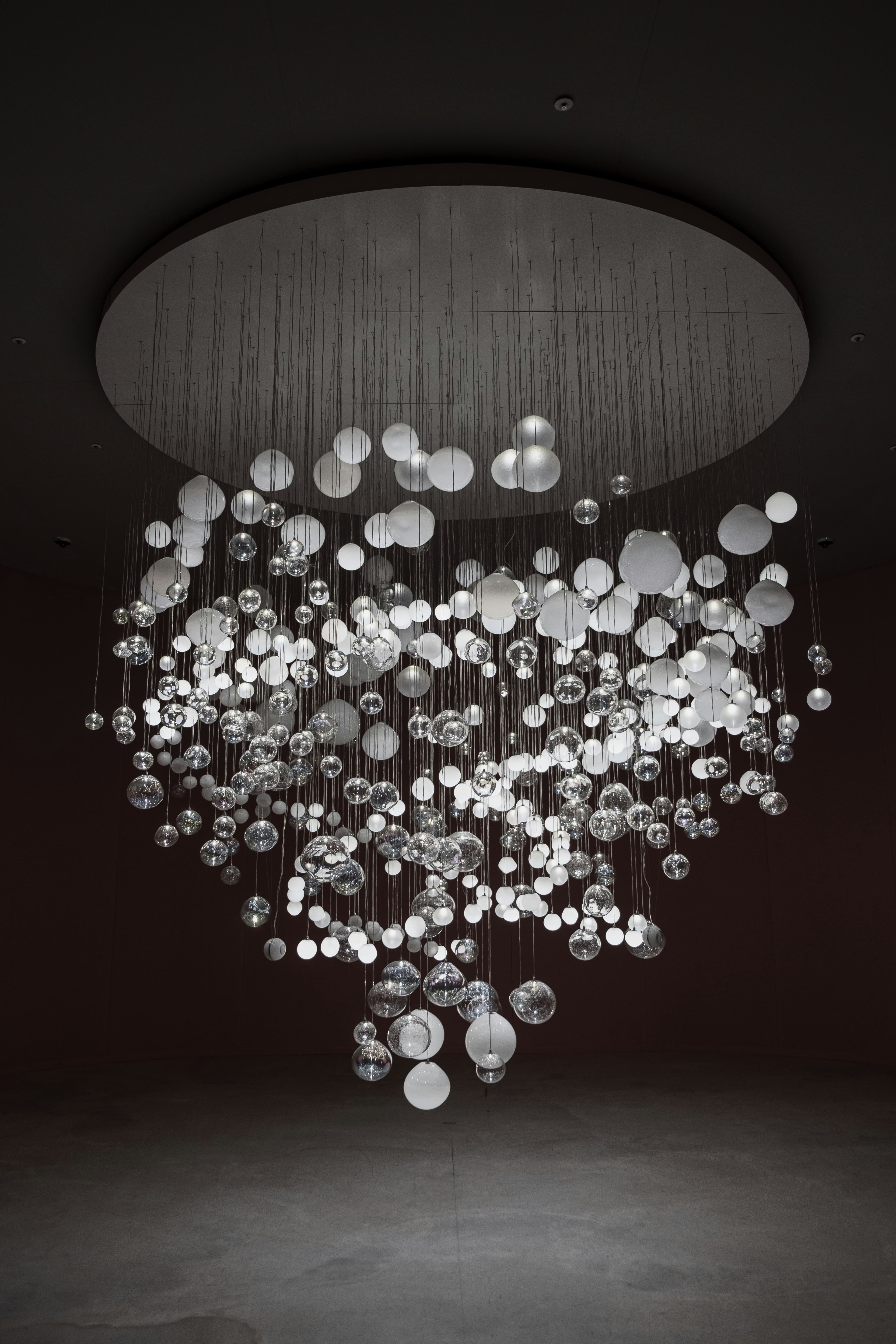
Sonneman Constellation Chandelier
The Sonneman Constellation is the genuine designer piece in this guide: a modular, award-winning LED sculpture (2018 Good Design Award) that reconfigures to fit different rooms and scales beautifully in double-height spaces. It is the only true independent design brand here, sold through specialty lighting dealers as well as Wayfair. And yet it scores lowest overall, deliberately: at $4,500-plus (the 13-light alone runs into the $7,000s) its price is disconnected from what a typical statement-chandelier shopper needs. It is not a bad product; it is an excellent one that 95% of buyers shouldn’t buy. Choose it only for a high-end build or renovation where design pedigree and modular engineering genuinely matter; for everyone else, a house-brand fixture delivers the everyday result for a tenth of the cost.
 Best Value
Corrigan Studio
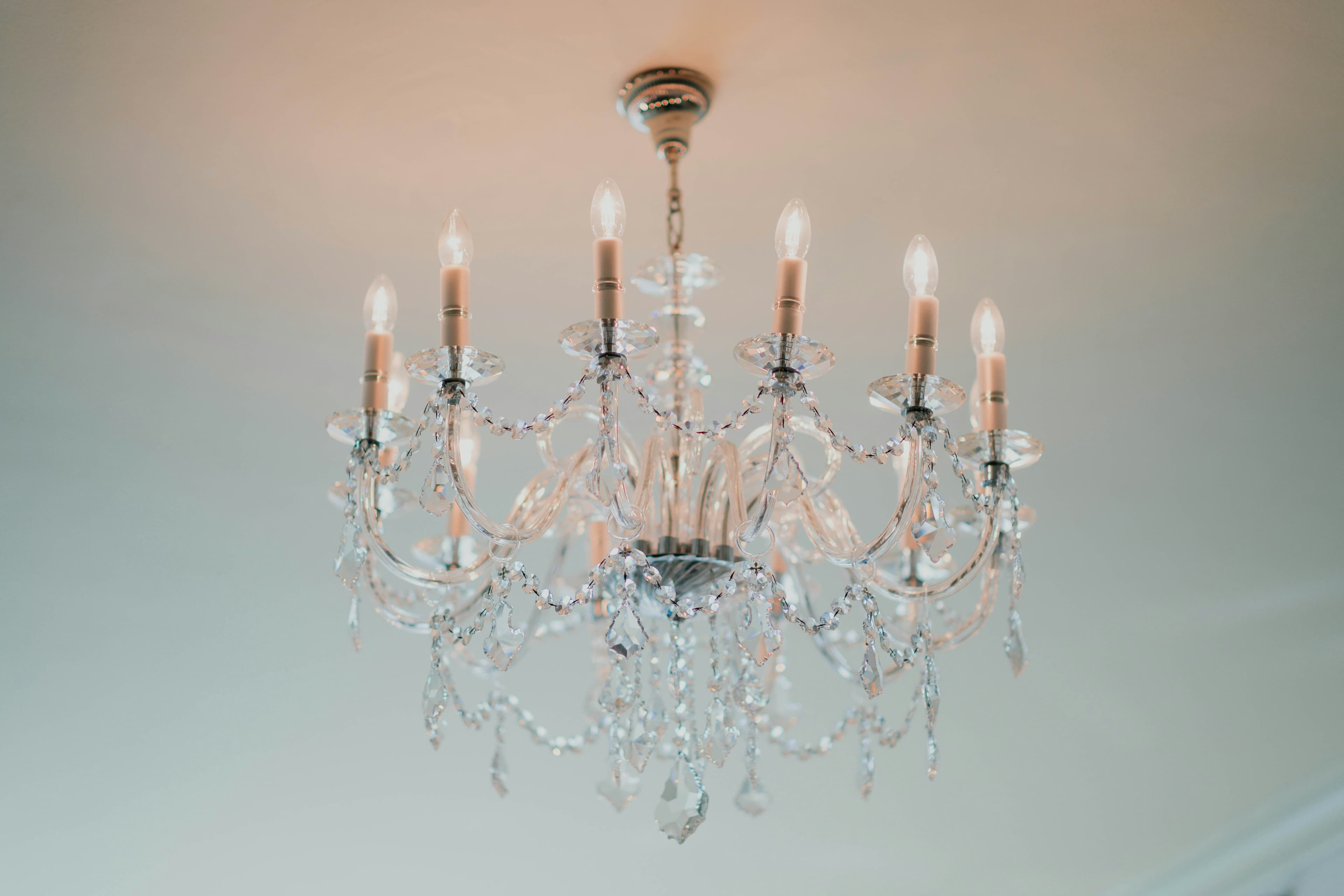
Corrigan Studio Linear Chandelier
The Corrigan Studio linear chandelier is the value pick: a genuinely modern linear or rectangular fixture for a long dining table or kitchen island, starting under $200. It delivers the most visual impact per dollar in this guide, its rectangular canopy suits long tables better than a round fixture, and owners report it draws compliments well above its price. But it is also the most-compromised pick here, and we score it that way: it collects the category’s most quality-control complaints (missing instructions, flimsy joints, parts that don’t tighten firmly), some SKUs aren’t dimmable out of the box, and the lighter-gauge materials are the least likely here to last decades. Buy it for a modern look on a tight budget, verify dimmer compatibility, and keep Wayfair’s return window handy.
 Best for Foyers
Everly Quinn
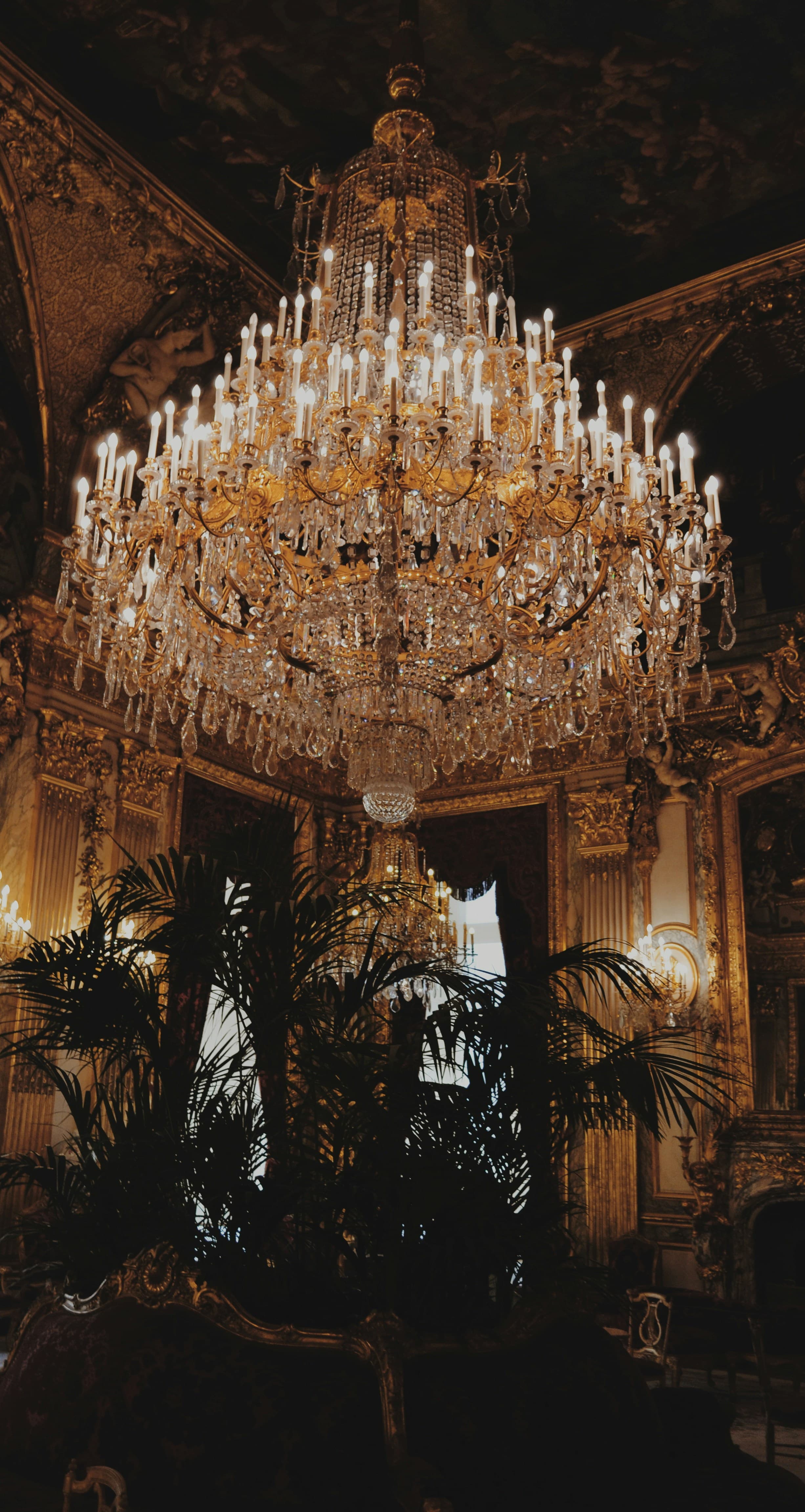
Everly Quinn Tiered Crystal Chandelier
The Everly Quinn tiered crystal chandelier is the pick for filling a big vertical space: a two-story foyer or great room where a normal fixture would look lost. Its multi-tier cascade of teardrop crystals (156 on the larger SKUs) reads as a genuine "wow" statement, and owners consistently say it punches above its price, with one expecting it to look cheap next to $2,000-plus fixtures and being pleasantly surprised. It ships with extra chain for high-ceiling drops. The honest catches are all about the install: assembly is genuinely tedious (hanging dozens of crystals), shipping damage to crystals is a recurring complaint, and at full scale it is heavy enough to need a properly rated ceiling box. Big scale for the money, if you go in prepared.
 Best Sputnik
Mercury Row
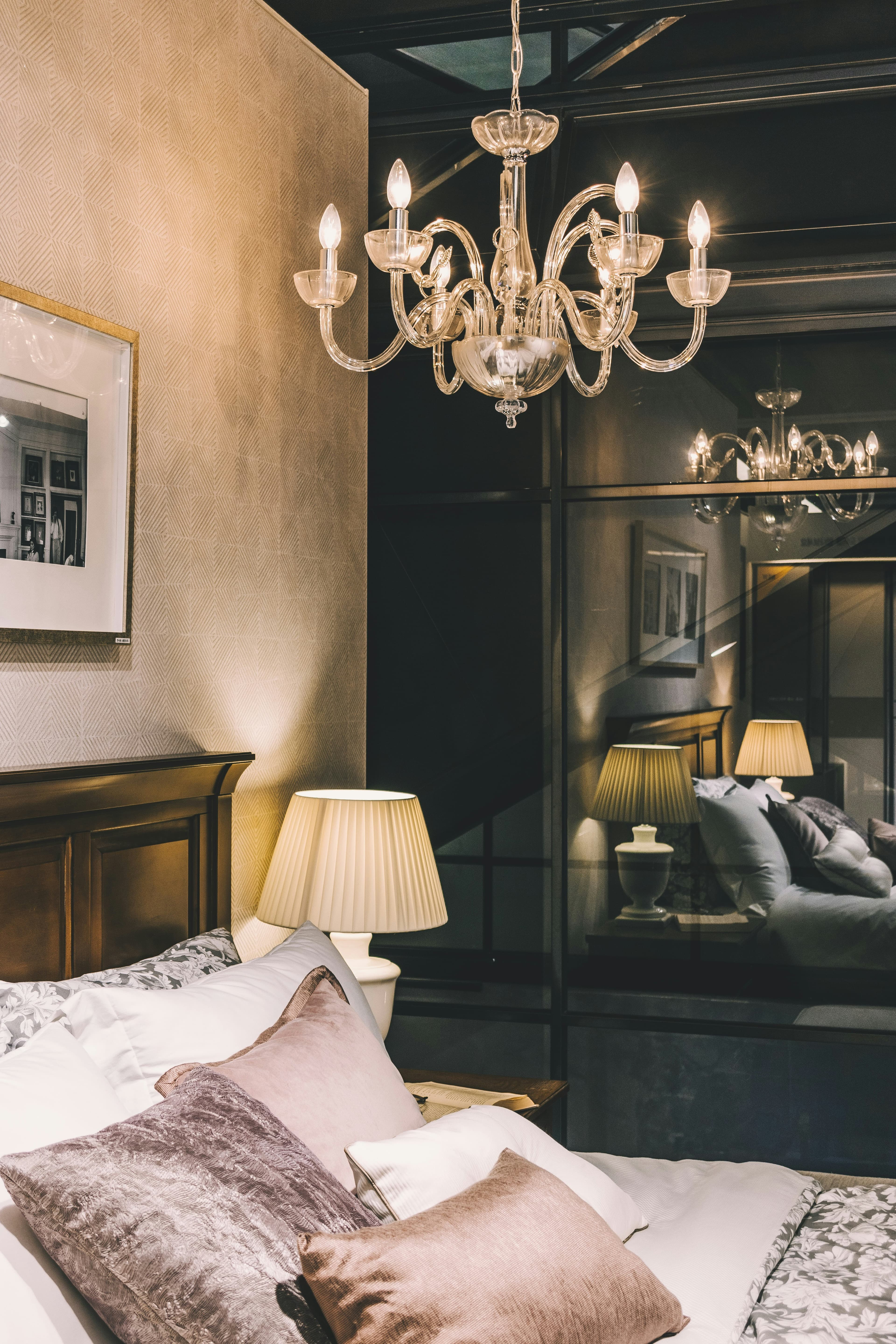
Mercury Row Millender 8-Light Sputnik Chandelier
The Mercury Row Millender is the pick for a mid-century modern look: it nails the classic sputnik silhouette that has stayed on-trend, and it does it for well under $300. It earns an unusually high and consistent 4.8-star owner rating for the price, works with dimmers and standard or LED bulbs, and its canopy handles sloped cathedral ceilings. Owners routinely say it looks far more expensive than it is. The honest caveats are house-brand ones: the metal and glass are mass-produced and lack a true designer sputnik’s heft up close, some assembly-alignment quibbles come up, and bulbs are sold separately (with a 40W-per-arm cap, so use efficient LEDs). For the sputnik style at a fraction of designer cost, it’s the value-and-look winner.
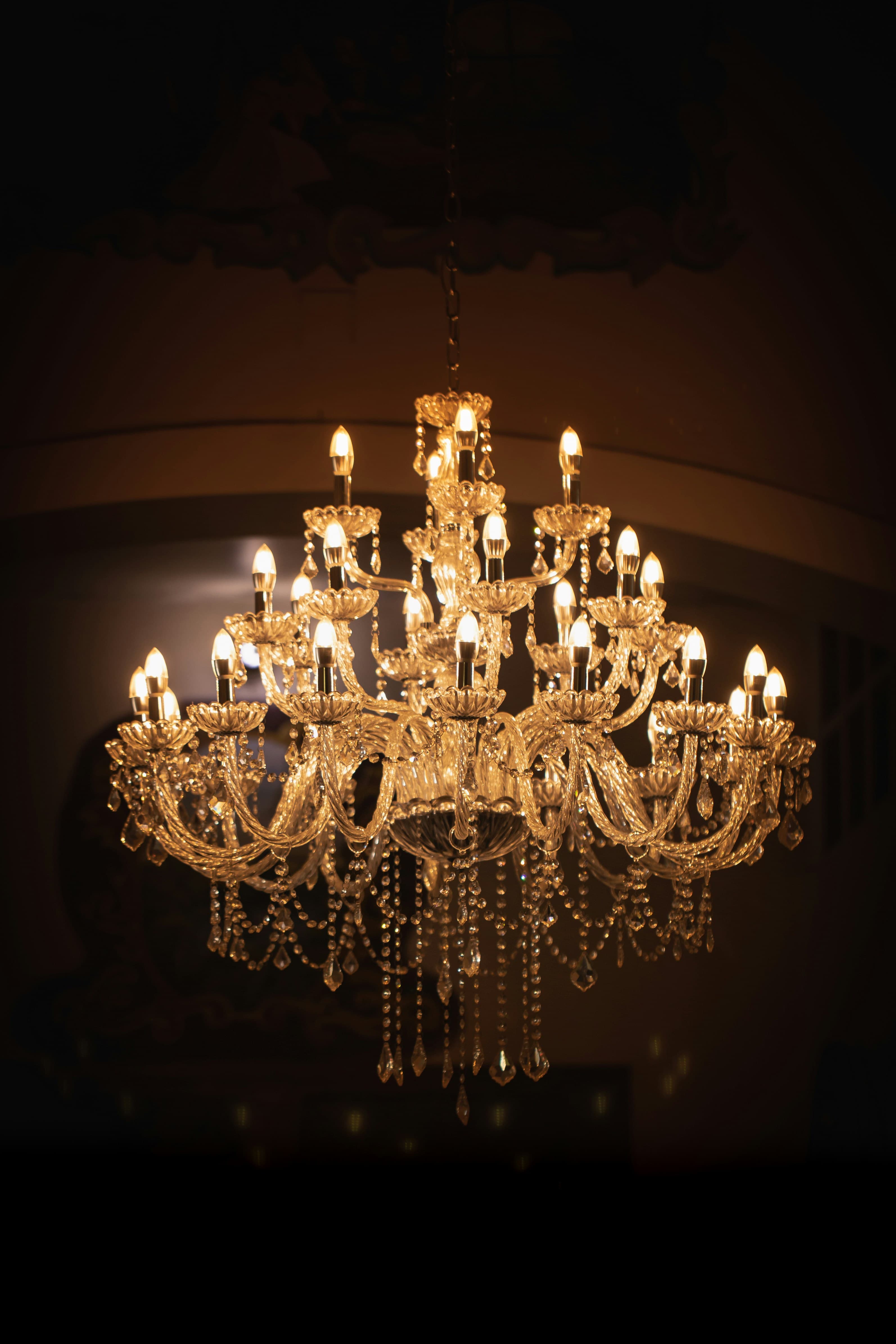 Best Overall
Willa Arlo Interiors
Willa Arlo Interiors Theodora Crystal Chandelier
The Willa Arlo Interiors Theodora line is our Editor’s Choice: the safest, best-proven statement chandelier for most people. Its calling card is trust: the compact Theodora alone has amassed 1,770-plus five-star reviews, the strongest track record of any fixture in this guide, and the broader line scales from small hallway pieces up to the large tiered Stoller for dining rooms and foyers. The K9 crystal throws genuinely convincing sparkle for the price, with finish options to match any palette. The honest caveats are house-brand ones: K9 is faceted glass, not cut lead crystal; larger tiered models are labor-intensive to assemble; and shipping damage to crystals happens, though Wayfair’s returns are a real safety net. For convincing glam at a fraction of designer cost, nothing here is better proven.
Comparisons
Light-quality-and-convenience versus long-term repairability: integrated LED wins on consistency, but a bulb-based fixture is the safer decades-long bet, and the smarter pick for most primary fixtures.
See the breakdownA style-preference call more than a quality one: sputnik suits modern rooms, crystal suits classic ones, with crystal’s stronger review record giving the Willa Arlo a slight overall edge.
See the breakdownDesigner craftsmanship versus practical value: the Sonneman is the better-made fixture, but the Millender captures the look for 3 to 5% of the price, and wins for the median buyer.
See the breakdownIs it worth it?
Is a Statement Chandelier Worth It?
A big statement chandelier is worth it when the room actually has the ceiling height and sightlines to support it, and a genuine liability when it doesn’t. In a two-story foyer or great room, a large tiered fixture becomes the intended focal point and transforms the space; the same fixture in a standard 8 to 9 foot room overwhelms it. To size one: add the room’s length and width in feet and use that number in inches as the minimum diameter (a 12×12 room wants ≥24 inches); for tall foyers, size up 20 to 30% and favor a vertical or tiered design so it reads from both floors. The practical rule from design coverage: err slightly oversized, because a too-small fixture reads as cheap regardless of its price.
Worth It for SomeAre Expensive Chandeliers Worth It?
For most rooms, no: the "look-for-less" fixture is the rational choice. The gap between a $4,500 designer chandelier and a $200 to $700 Wayfair house-brand piece is not proportional to how a typical dining room actually experiences it. Interior-design coverage consistently finds that three cheap-to-control factors do more visual work than raw fixture cost: scale (sizing the fixture right), a timeless finish (brass, matte black, nickel over trendy ones), and a warm dimmable bulb. The real exception is a large, architecturally central fixture in a high-end renovation, where build quality, light engineering, and design pedigree start to matter over a decade-plus. For everyday rooms and standard foyers, spending up mostly buys a badge the room doesn’t need.