Outdoor
Grills, furniture, and gear that survive the seasons.
- Grills
- Patio Furniture
- Fire Pits
- Outdoor Kitchens
Buying guides
Best Gas Fire Tables
A gas fire table is as much patio furniture as it is a fire feature, so we weighed the field against expert reviews, owner-reported reliability, safety certification, and honest value. Our overall pick is the best-built, safest all-rounder; from there the picks split by need: the furniture-grade premium option, the best value, the best compact table for small patios, and the budget entry. Two honest themes run through it: set realistic heat expectations (every gas table warms the immediate seating circle, not a whole patio, and wind cuts the flame), and the most expensive table is not proportionally warmer: it is better-looking and better-built.
5 picksBest Pergolas & Gazebos
A backyard shade structure is a big, semi-permanent purchase, so we weighed the field against expert reviews, published wind and snow ratings, owner-reported assembly and durability, and honest value. Our overall pick is the structure that delivers the best weather protection per dollar; from there the picks split by need: the best adjustable louvered pergola, the best value, the best natural-wood option, and the best premium motorized pergola. Two honest themes run through it: assembly is a real, multi-hour (sometimes multi-day) project on nearly every model, and the flashiest, most expensive structure is not the toughest: the humble hardtop gazebo out-rates pergolas costing twice as much.
5 picksBest Grills
The “best” grill depends first on fuel: pellet for hands-off wood-smoke flavor, gas for fast convenience, charcoal kamado for live-fire versatility. So we researched the leaders in each type against expert reviews, owner-reported reliability, and warranty terms. Our picks span the choices most backyard cooks weigh, and our overall favorite is the one that delivers the most grill for the money. One honest theme runs through the scoring: build quality and warranty separate the great grills from the merely popular.
2 picksBest Smokeless Fire Pits
We researched the leading smokeless fire pits (comparing manufacturer specs, expert reviews, and owner-reported reliability) to find the ones worth gathering around. Smokeless pits use a double-wall airflow design to burn off smoke, so you get the fire without the watery eyes. Here are our picks for every kind of buyer.
3 picksBest Outdoor Pizza Ovens
We researched the leading premium outdoor pizza ovens (analyzing manufacturer specs, expert reviews, and owner-reported reliability) to find the ones worth a spot on the patio. These are our picks across every kind of buyer, from the all-rounder to the portable to the no-expense-spared flagship.
Reviews
 Best Budget
TACKLIFE
TACKLIFE Propane Fire Pit Table
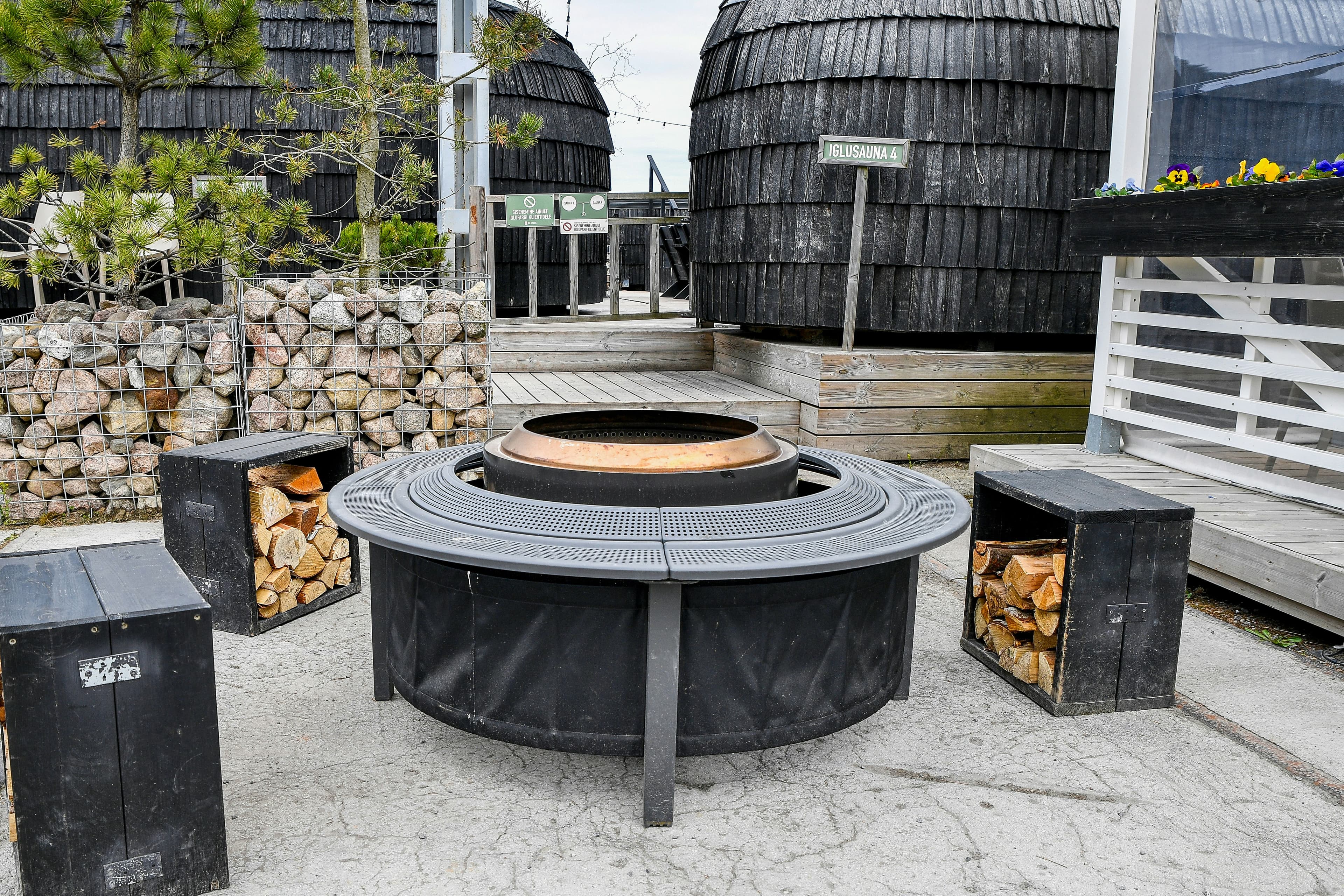
The TACKLIFE Propane Fire Pit Table is the rock-bottom entry point: the lowest real-world price for a 50,000 BTU table with hidden tank storage, and owners consistently call it well built for the money. It assembles with just a screwdriver and doubles as a covered table. But it is the most-compromised pick here, and we score it that way: it carries ETL rather than CSA certification (which can matter for some HOA or municipal rules), its warranty and support are the weakest in the category (marketplace returns only), and (a real consideration for our purposes) it is not sold on Wayfair. For the absolute lowest price on Amazon, it does the job; spend a little more for real brand backing.
 Best Compact
Endless Summer
Endless Summer 30-inch Fire Pit Table
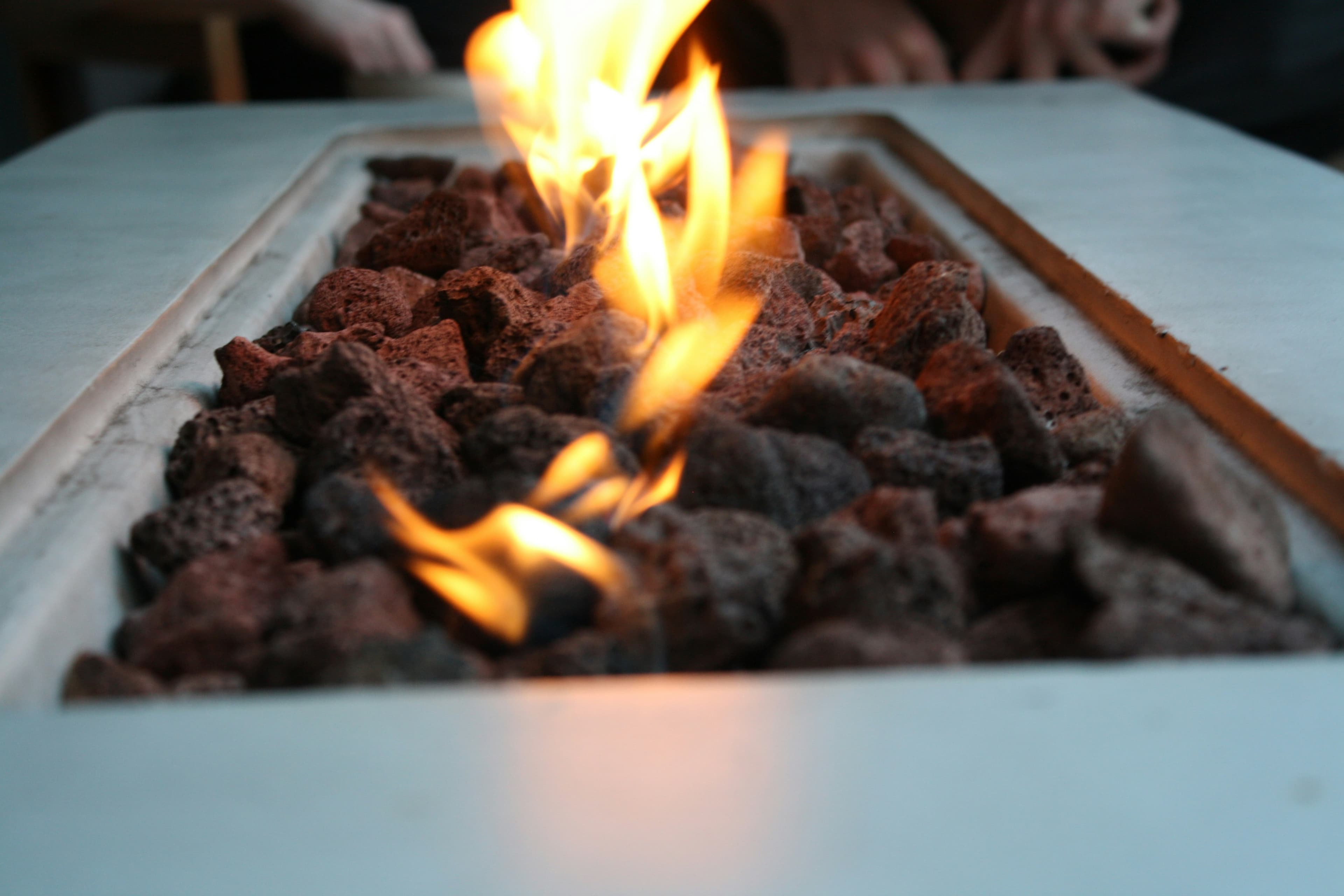
The Endless Summer 30-inch is the small-space pick: the smallest practical footprint among the major brands that still holds a full 20-lb tank and delivers real ambiance. Backed by Blue Rhino’s propane-industry scale, it adds features tight-patio and condo owners appreciate: adjustable feet for uneven decks, a low price of entry, and a push-and-turn ignition with an automatic shut-off safety valve. The catches are size and clarity: the smaller fire bowl means a less dramatic flame than a full-size table, the steel base feels less premium, and (importantly) Endless Summer’s confusing SKU naming means nearly identical-looking 30-inch models carry different BTU ratings, so you must confirm the exact model number.
 Best Premium
Real Flame
Real Flame Sedona Concrete Fire Table
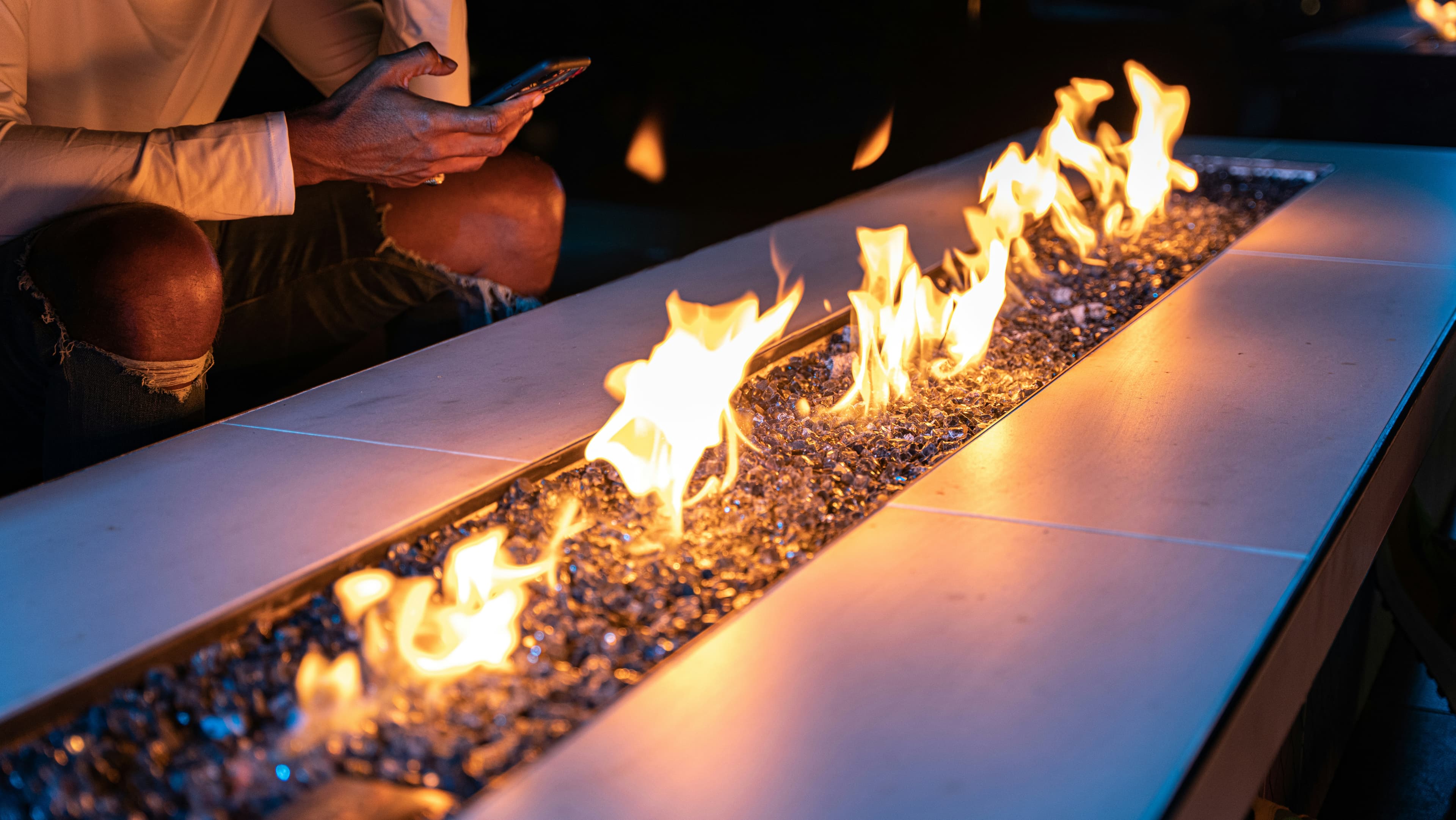
The Real Flame Sedona is the furniture-grade pick: a fiber-cast concrete fire table that looks and feels like real outdoor furniture rather than a fire-pit accessory. It posts the highest heat in the guide (65,000 BTU), burns roughly 7 hours on high, and (unusually) includes a natural-gas conversion kit rather than charging extra for it, all backed by strong 4.5-plus-star ratings. The honest reason it is not our overall pick is proportionality: at around $1,200 it costs two to four times the budget tables for only about 30% more heat. You are paying for premium materials and a genuine design statement, not proportionally more warmth. For buyers who want the fire table to be a centerpiece, it delivers.
 Best Value
Bali Outdoors
Bali Outdoors 42-inch Fire Pit Table
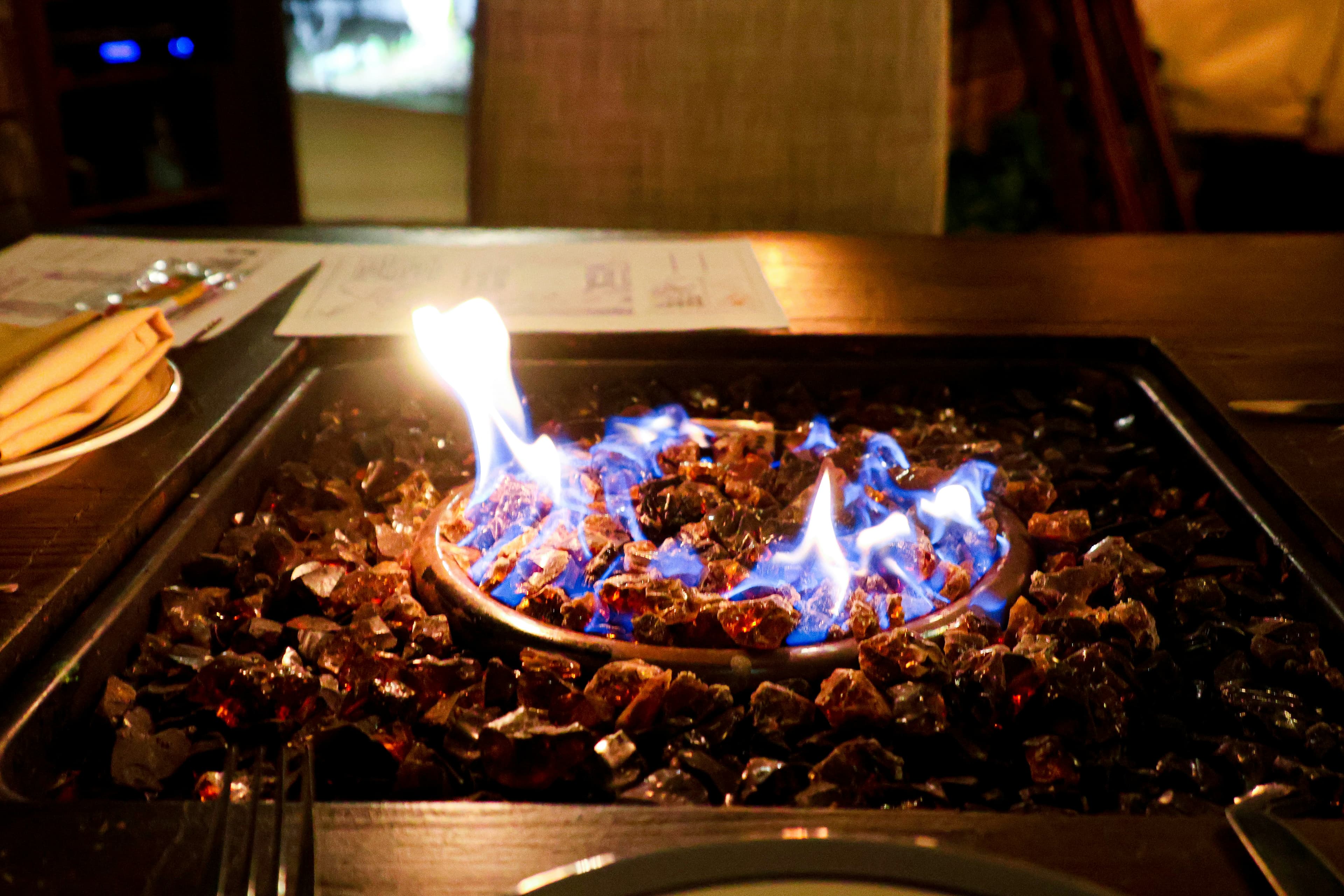
The Bali Outdoors 42-inch is the value champion: it matches our Editor’s Choice Outland Living’s 50,000 BTU output and hidden-tank design for meaningfully less money, and it converts to a full dining table via the included lid. Assembly is a quick ~30 minutes, the rounded corners add a safety margin, and owners consistently praise the heat for the price. The trade-offs are exactly what you’d expect at the lower price: its steel construction is more rust-prone than Outland’s aluminum over multiple seasons, build-quality reports are genuinely mixed (some owners call it flimsy, others solid), and igniter reliability draws recurring complaints. On day one the difference from a pricier table is small; the gap shows over years. Buy it to save money and get real BTU-per-dollar.
 Best Overall
Outland Living
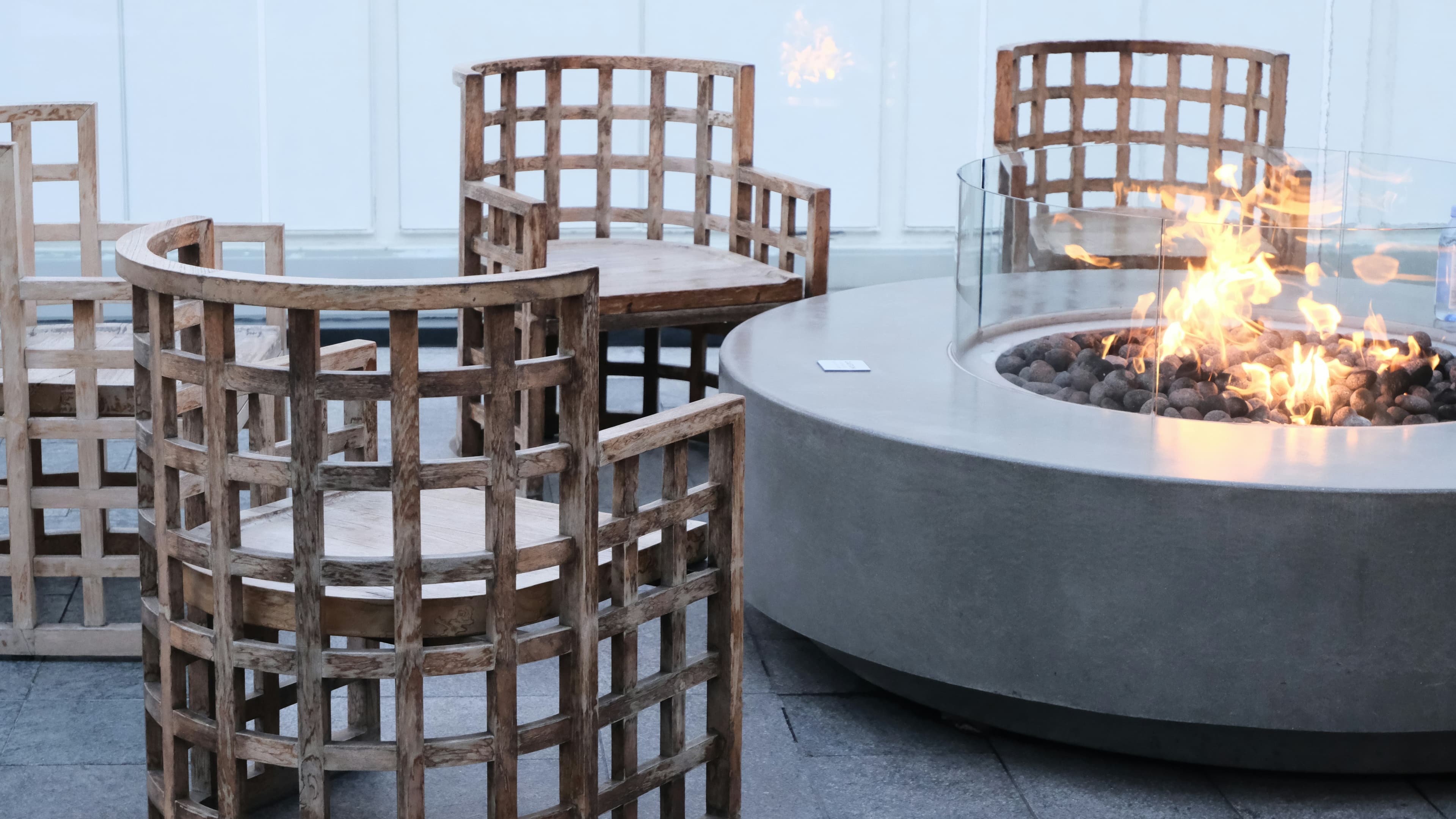
Outland Living Series 403
The Outland Living Series 403 is our Editor’s Choice: the rare product where expert reviews and owner reviews actually agree. It is the "buy this if you only buy one" gas fire table: a 50,000 BTU, powder-coated aluminum frame with a tempered-glass top that doubles convincingly as a coffee table, CSA-certified and built better than similarly priced steel rivals. Its rust-resistant aluminum and CSA certification quietly neutralize the two most common failure points in the category: corrosion and ignition-safety issues. The honest catches: at around $450 it is pricier than budget steel tables, the glass top and cover often cost extra, and the warranty is only one year. But for a reliable, good-looking fire table most people will love, it is the safest pick on the board.
 Best Wood Pergola
Yardistry
Yardistry Cedar Pergola
The Yardistry Cedar Pergola is the pick for buyers who want the warm, natural look of real wood rather than powder-coated metal. Built from 100% FSC-certified cedar in a traditional post-and-beam design, it has a genuine "feels more expensive than it is" reputation, and its pre-drilled, routed kit is praised as more intuitive to assemble than metal louvered pergolas. With proper care it lasts 15-plus years. The honest trade-offs are what separate wood from aluminum: it needs ongoing re-staining and sealing that metal structures do not, its open-lattice roof offers little rain protection without add-ons, and cedar can warp or check in extreme climates. Buy it for aesthetics, and commit to the upkeep.
 Best Hardtop Gazebo
Sunjoy
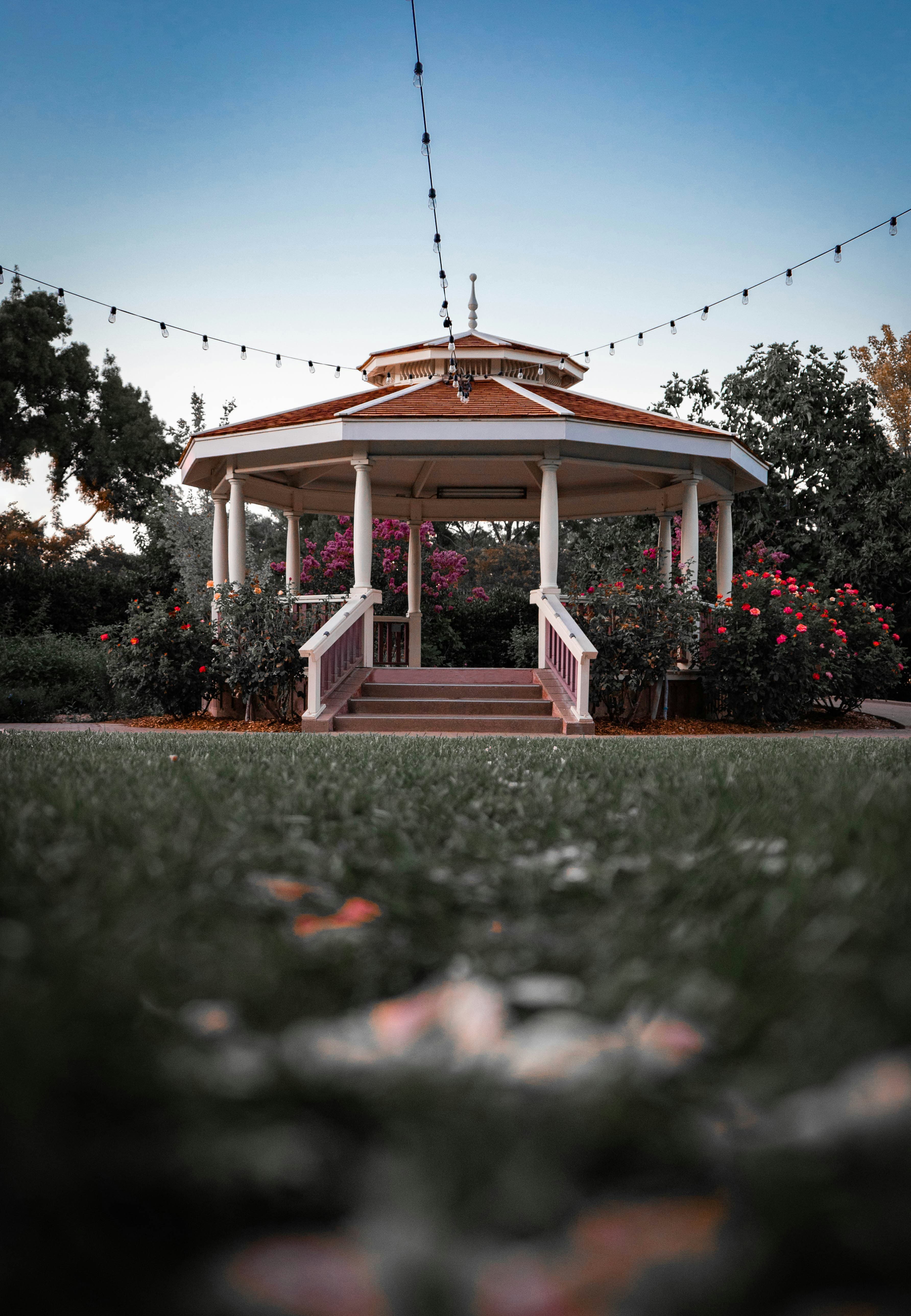
Sunjoy Hardtop Gazebo
The Sunjoy Hardtop Gazebo is our Editor’s Choice, and the honest, unglamorous answer to what most backyards actually need. It is the durability-and-value winner: a galvanized-steel hardtop rated to roughly 50 mph wind and 3,400 to 4,400 lbs of snow (the strongest published load numbers in this guide) for around half the price of a premium louvered pergola. Sunjoy sells through every big-box retailer, so replacement parts and returns are easy. The trade-offs are real but not dealbreakers: assembly is long and hardware-dependent (missing-screw complaints are common), it is a fixed roof rather than an adjustable one, and isolated leak reports exist. But for a genuinely weatherproof, permanent backyard structure at a sensible price, nothing here beats it.
 Best Premium
PURPLE LEAF
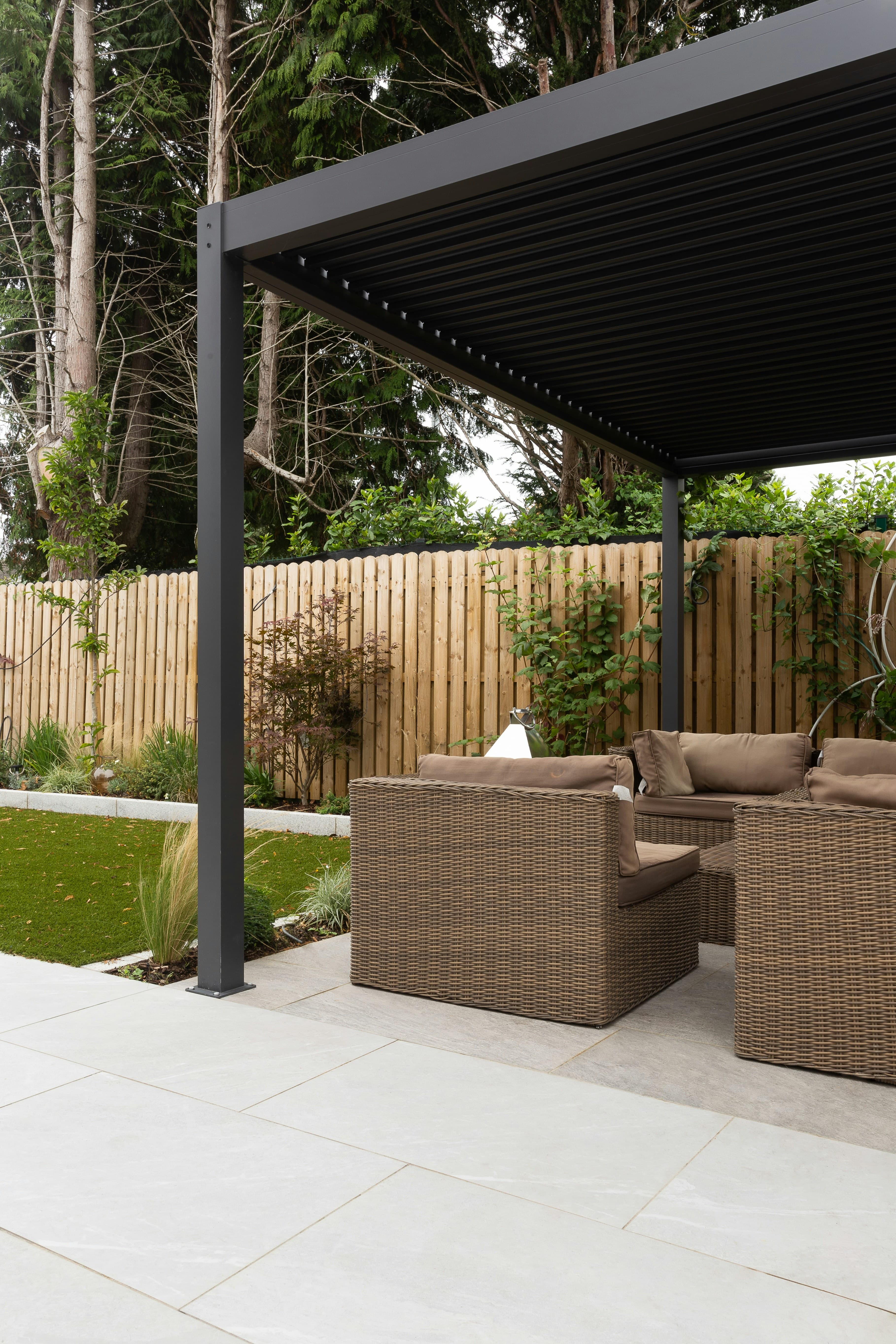
PURPLE LEAF Motorized Louvered Pergola
The PURPLE LEAF Motorized Louvered Pergola is the luxury convenience pick: it solves the single biggest annoyance of louvered pergolas by letting you open, close, and angle the roof by remote, with rain-sensor auto-close on some configurations. Integrated LED lighting and concealed drainage make it feel genuinely premium, and it is still far cheaper than a fully custom-built motorized structure. But it is our lowest-value pick for honest reasons: at around $6,500 it is a big jump over the manual version, the motor and electronics add a new failure point with thin long-term data, installation now includes an electrical run, and, tellingly, its weather ratings are no better than the manual pergola or the much cheaper Sunjoy gazebo. You are paying for hands-free convenience, not durability.
 Best Value
Sojag
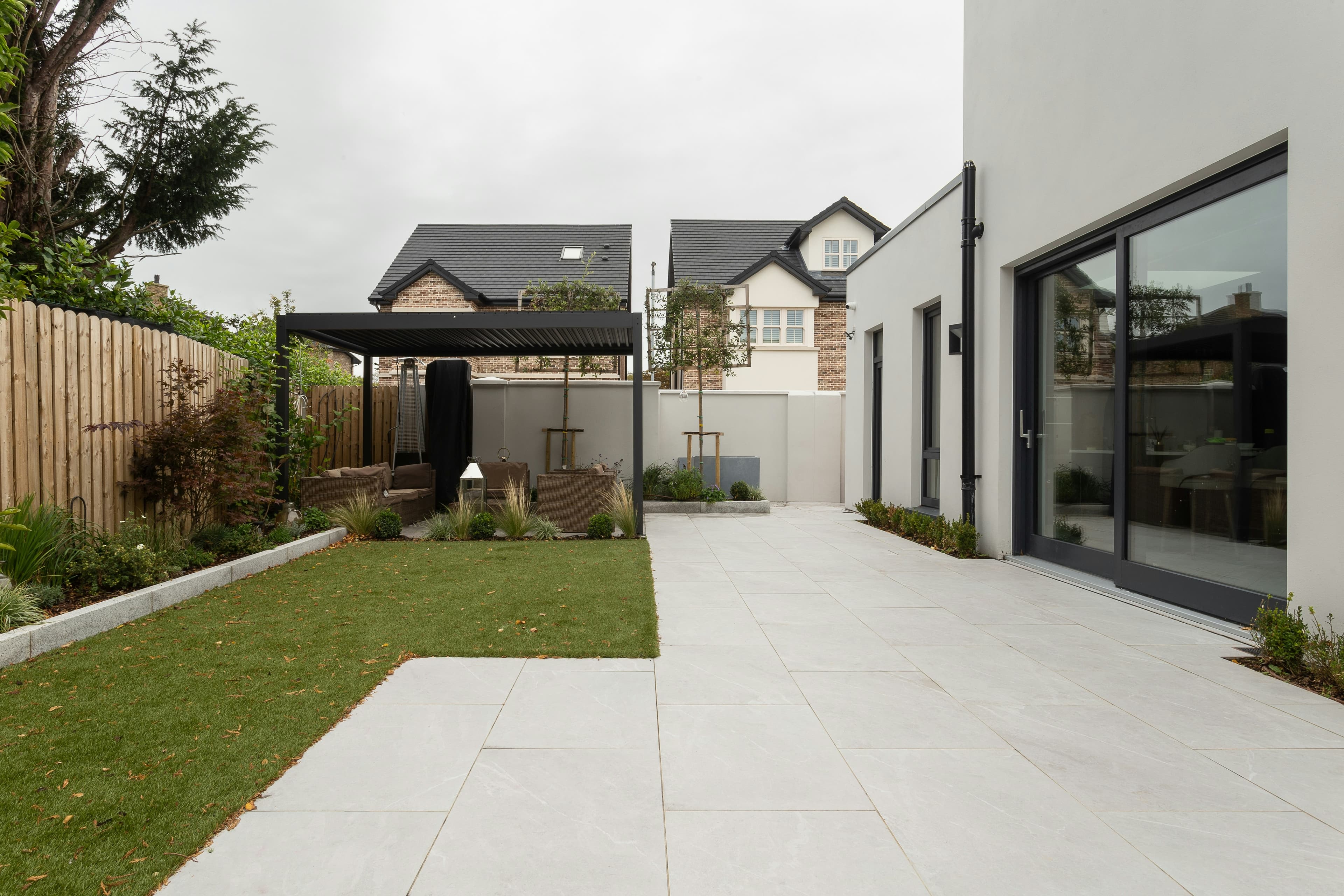
Sojag Yamba Pergola
The Sojag Yamba Pergola is the value champion: a sturdy powder-coated aluminum pergola that goes up in a fraction of the time of its louvered competitors and costs roughly a third of a premium louvered structure. Some owners report assembling it in about two hours with two people, versus 12-plus for aluminum louvered rivals, and it earns a consistent 4.7-star rating with a build that feels solid for the price. The trade-off is scope: it uses adjustable shade fabric or mesh, not true louvers, so it is a shade structure first and a rain shelter only secondarily, and it needs a level, hard surface. For defined patio shade without the cost or hassle of louvers, it is the smart buy.
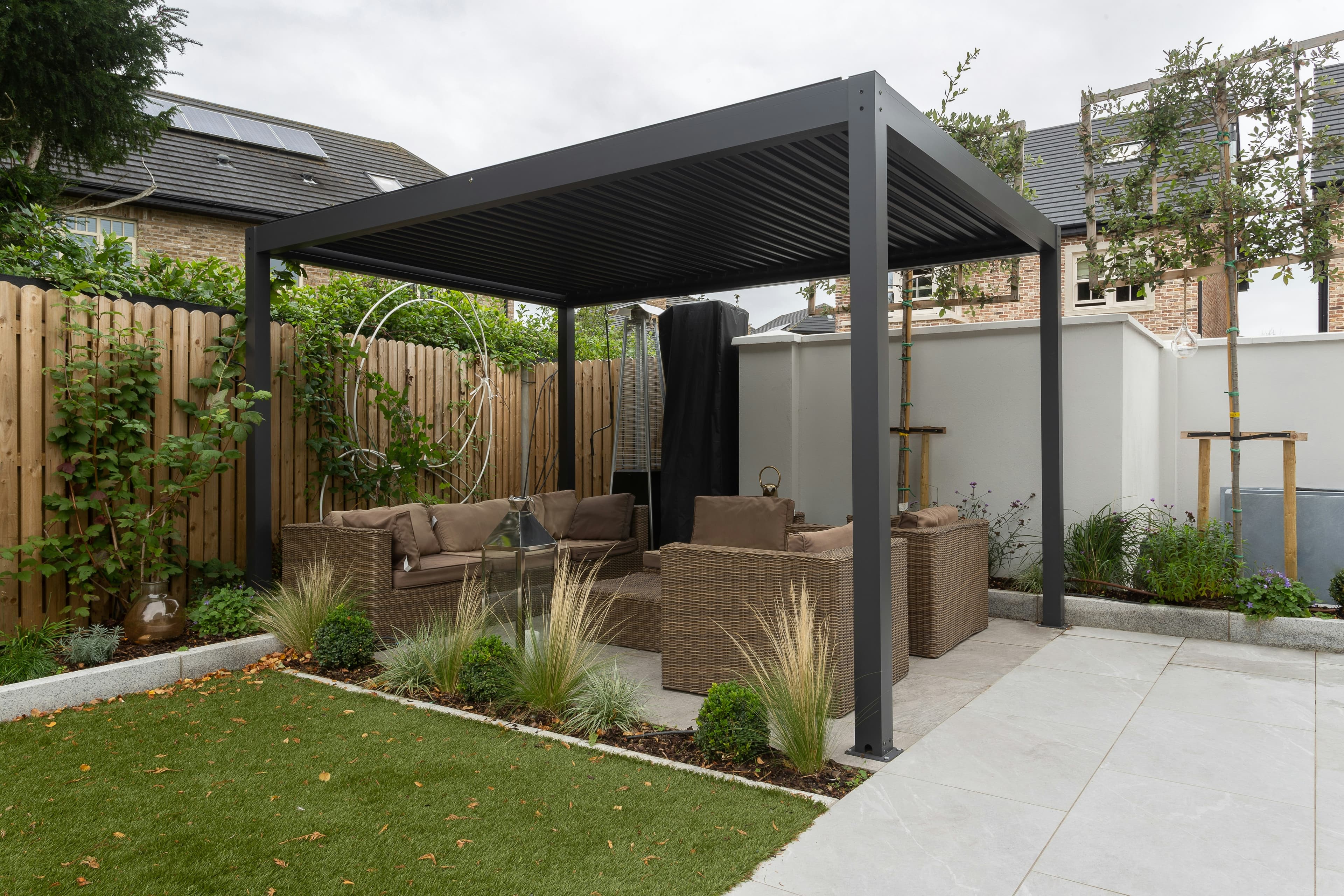 Best Louvered Pergola
PURPLE LEAF
PURPLE LEAF Louvered Pergola
The PURPLE LEAF Louvered Pergola is the best adjustable-roof structure here: the one to buy if you specifically want weather-adaptive coverage. Open the aircraft-grade aluminum louvers for light and airflow, or close them for shade and rain protection, with a measured ~14°F temperature drop underneath and concealed drainage that genuinely handles runoff. It held up in independent hail and storm testing, and it accepts lighting and screens. The honest catches keep it from the top spot: the assembly is genuinely brutal (12 to 16 hours, two skilled people), the manual louvers are a real chore to close in a sudden downpour, accessories are pricey, and, notably, its verified wind rating is no better than the cheaper Sunjoy hardtop. Buy it for adaptability, not for being the toughest.
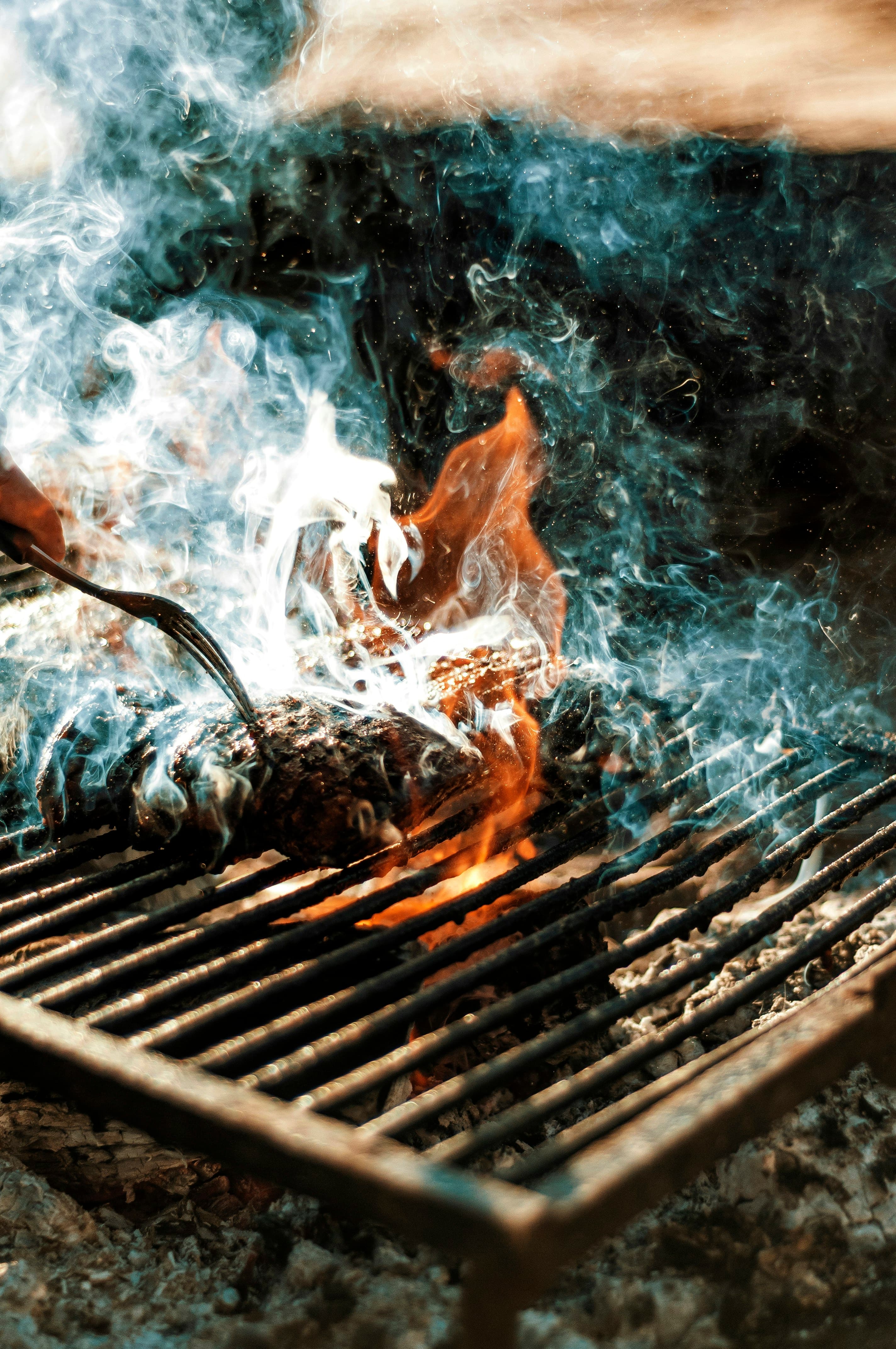 Best for Beginners
Traeger
Traeger Pro 780
The Traeger Pro 780 is the easiest on-ramp to wood-pellet barbecue: set-and-forget cooking, automatic pellet feeding, and the best app in the category, from the brand that invented the pellet grill. For a beginner who wants to put a brisket on and watch it from their phone, it’s genuinely the friendliest choice. But it’s also our lowest-scoring grill here, and honestly so: its powder-coated steel body can rust, it tops out around 450°F to 500°F so it can’t really sear, it carries only a 3-year warranty, and the auger and controller are documented weak points. At $999.99 you’re paying for the app and brand more than the hardware.
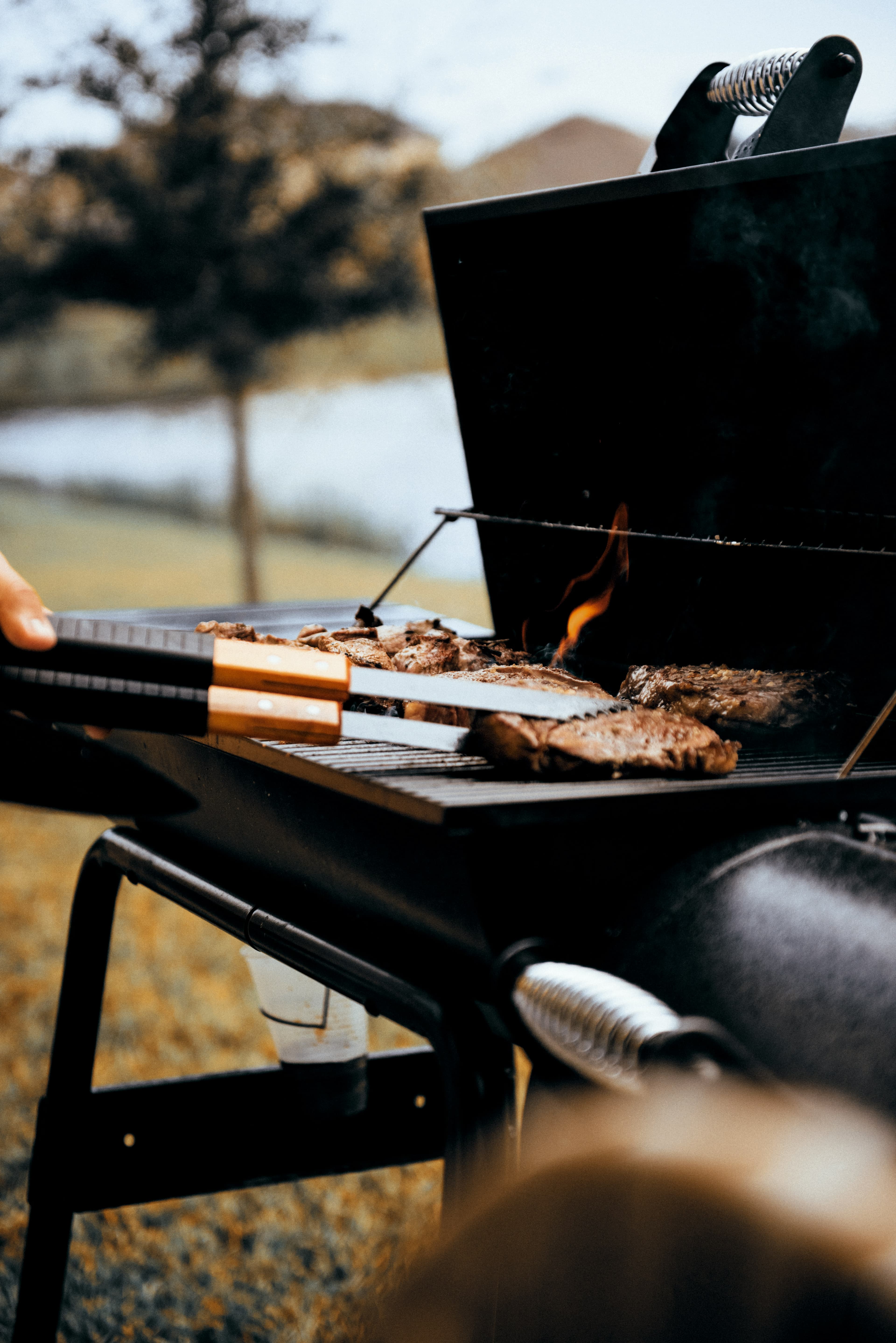 Best for Versatility
Big Green Egg
Big Green Egg Large
The Big Green Egg Large is the iconic ceramic kamado: a genuinely buy-it-for-life cooker that grills, smokes, bakes, and sears with equal skill and lasts decades. Its thick high-fired ceramic retains heat and sips charcoal, the lifetime ceramic warranty backs it, and no grill has a bigger accessory-and-community ecosystem. The honest caveats keep it just behind the Kamado Joe: it’s sold dealer-only with no set MSRP, its single-piece interior lacks the Kamado Joe’s multi-level system, and essentials like the heat deflector and a stand or table are extra, so the real cost runs well above the egg-only price.
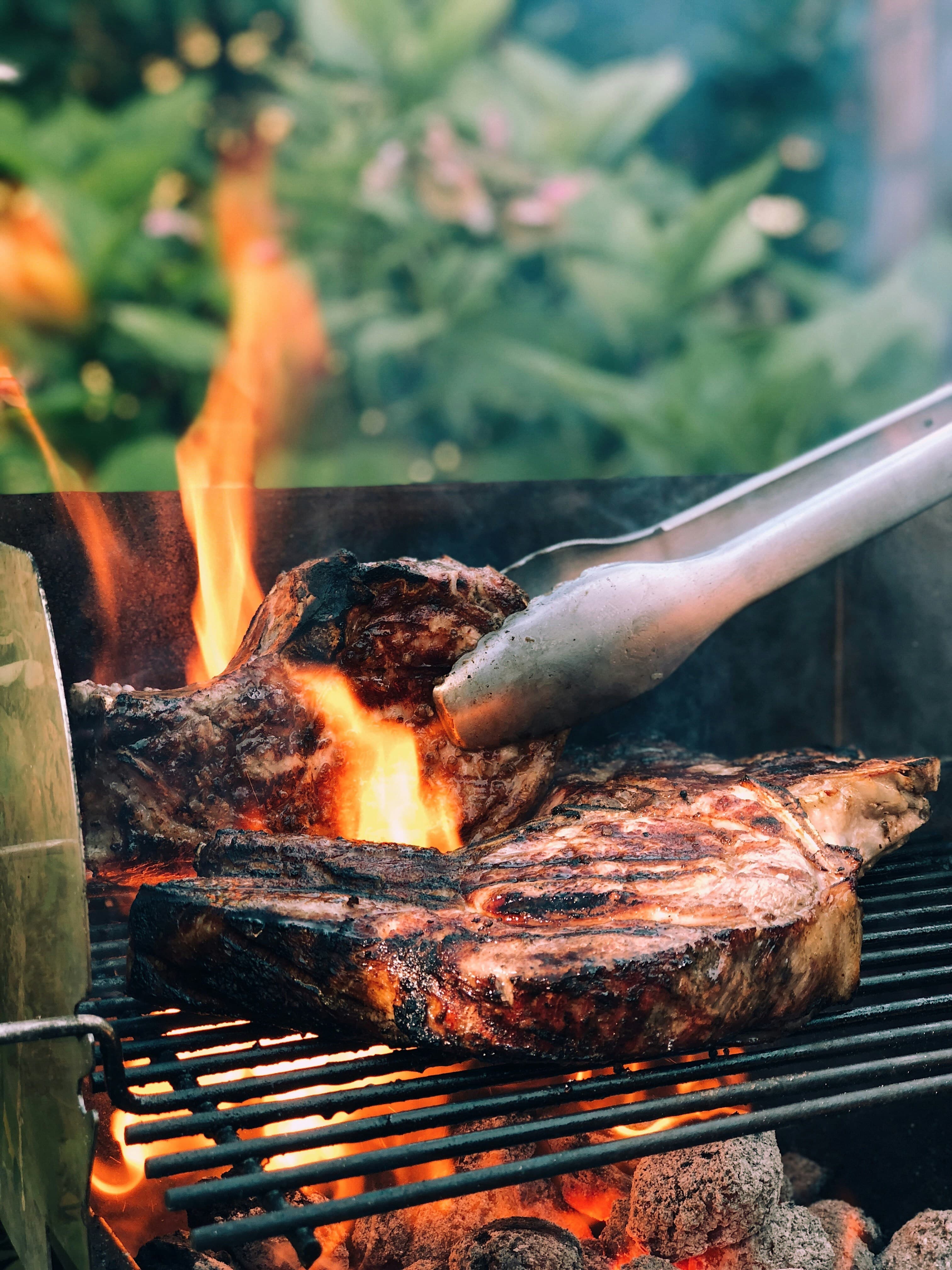 Best Kamado
Kamado Joe
Kamado Joe Classic III
The Kamado Joe Classic III is the most capable ceramic kamado out of the box, and the one that out-engineered the Big Green Egg. It ships complete with a cart, side shelves, and a stack of genuinely useful hardware: a 3-tier Divide & Conquer system that doubles the cooking surface and enables multi-zone cooks, a Kontrol Tower vent that holds its setting when you lift the lid, a Harvard-designed SloRoller insert for offset-quality smoke, and a multi-panel firebox that resists the cracking that plagues single-piece kamados. The catch is price: at around $2,199 with the cart it’s the most expensive grill here, and it’s heavy with more parts to manage.
 Best Gas Grill
Weber
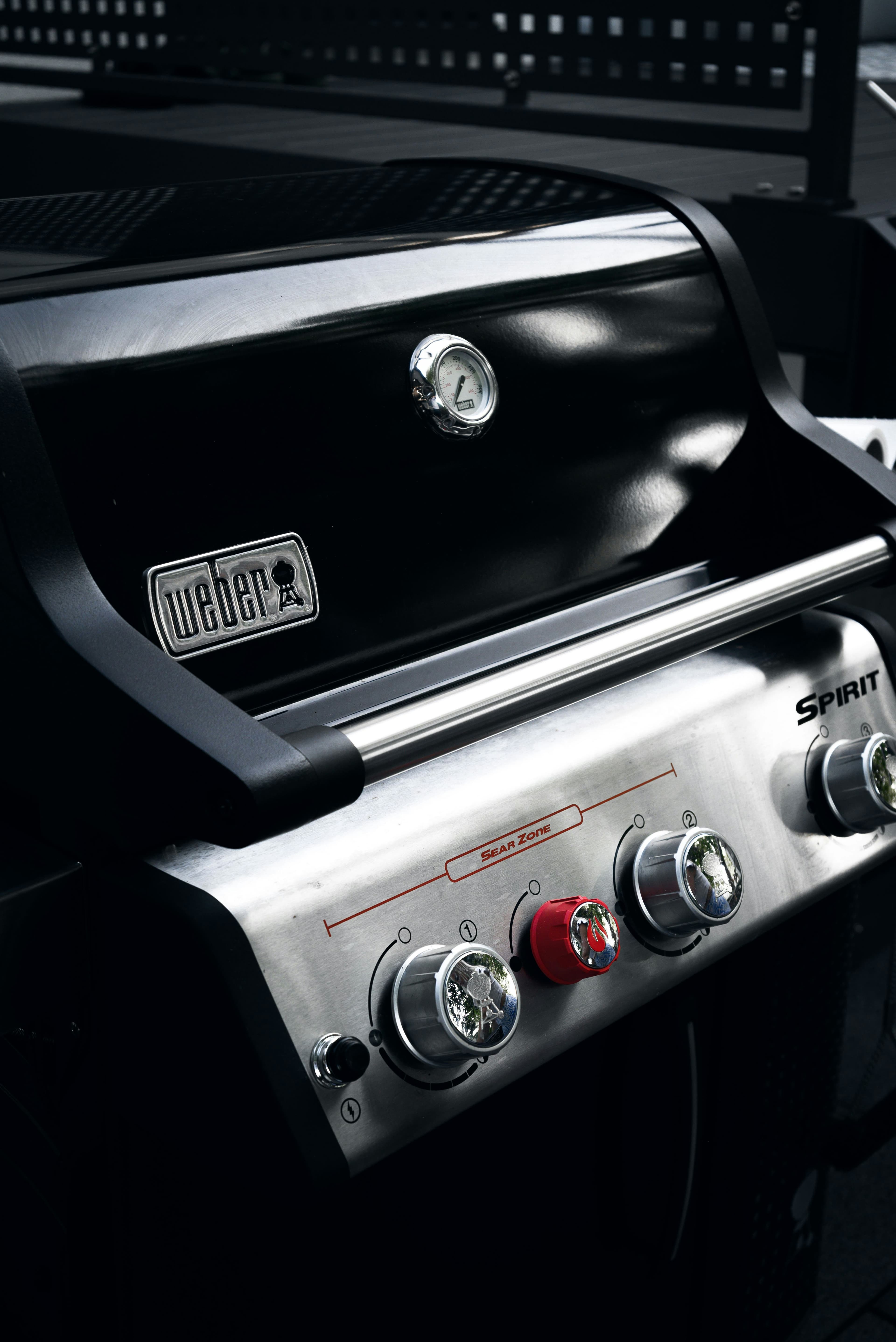
Weber Genesis E-325
The Weber Genesis E-325 is the benchmark premium gas grill and the safe “buy it once” choice. Three PureBlu burners deliver class-leading even heat across 513 square inches, a dedicated sear-zone burner hits 750°F+ for steakhouse crust, and the whole thing is backed by one of the longest warranties in grilling (12 years on the cookbox) and Weber’s unmatched parts ecosystem, the reason these grills routinely last 15 to 20 years. The honest caveats: at $949 it’s a clear step up from entry grills, the base model has no side burner, and being gas, it can’t deliver wood-smoke flavor.
 Best Pellet Grill
Recteq
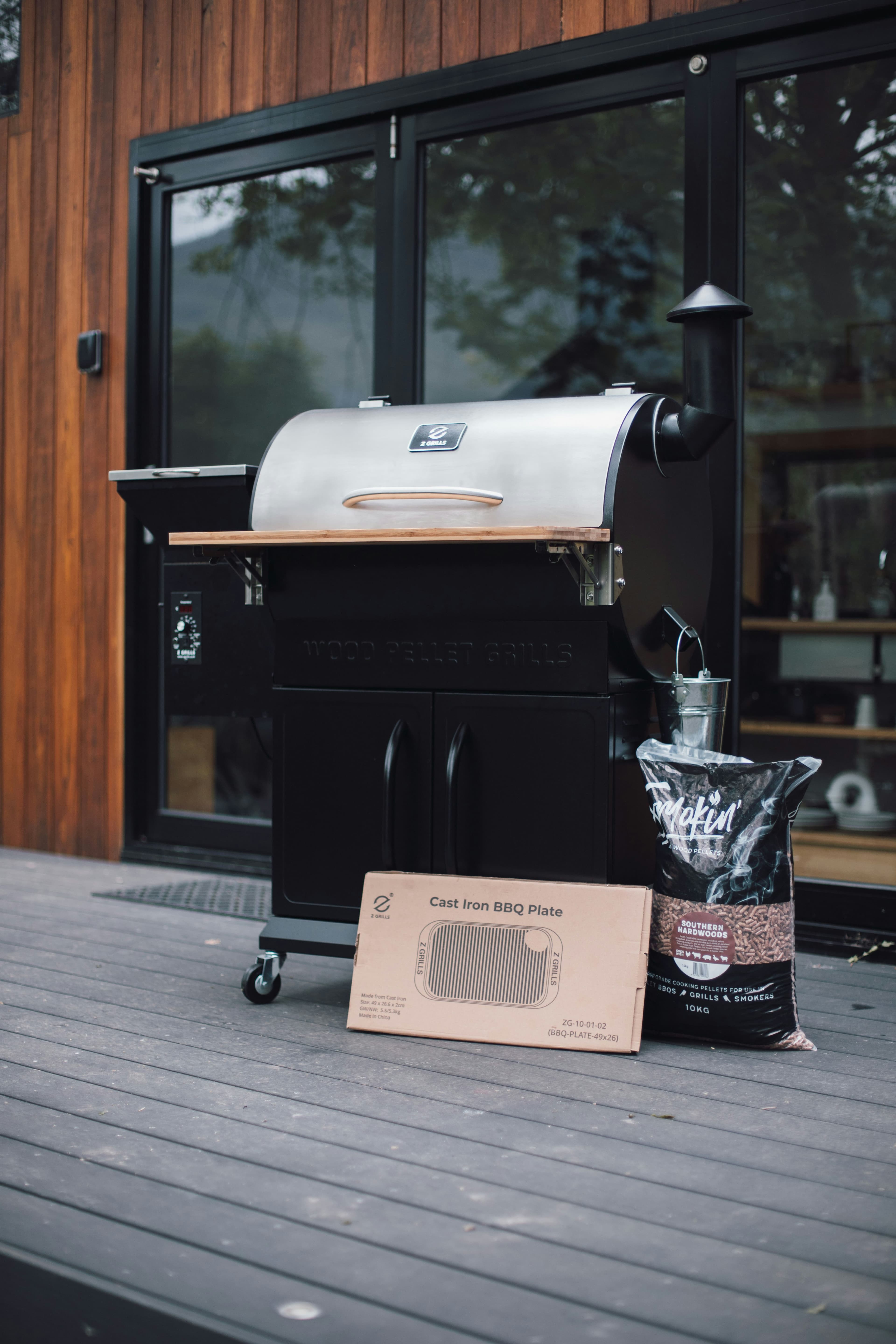
Recteq RT-700
The Recteq RT-700 “Bull” is our Editor’s Choice: the pellet grill that out-builds Traeger on nearly every spec for similar money. Where most pellet grills use powder-coated steel, the RT-700 is built from roughly 70 pounds of marine-grade 304 stainless throughout, so it resists the rust and warping that age cheaper grills. Add a huge 40-lb hopper (40+ hours of unattended smoking), a genuine 700°F sear ceiling, rock-steady PID WiFi control, two meat probes, and a 6-year warranty, and it undercuts comparable Traeger Ironwood models by hundreds. The trade-offs are minor: it’s heavy, sold direct-only, and its app is less polished than Traeger’s.
 Best for Cooking
Breeo
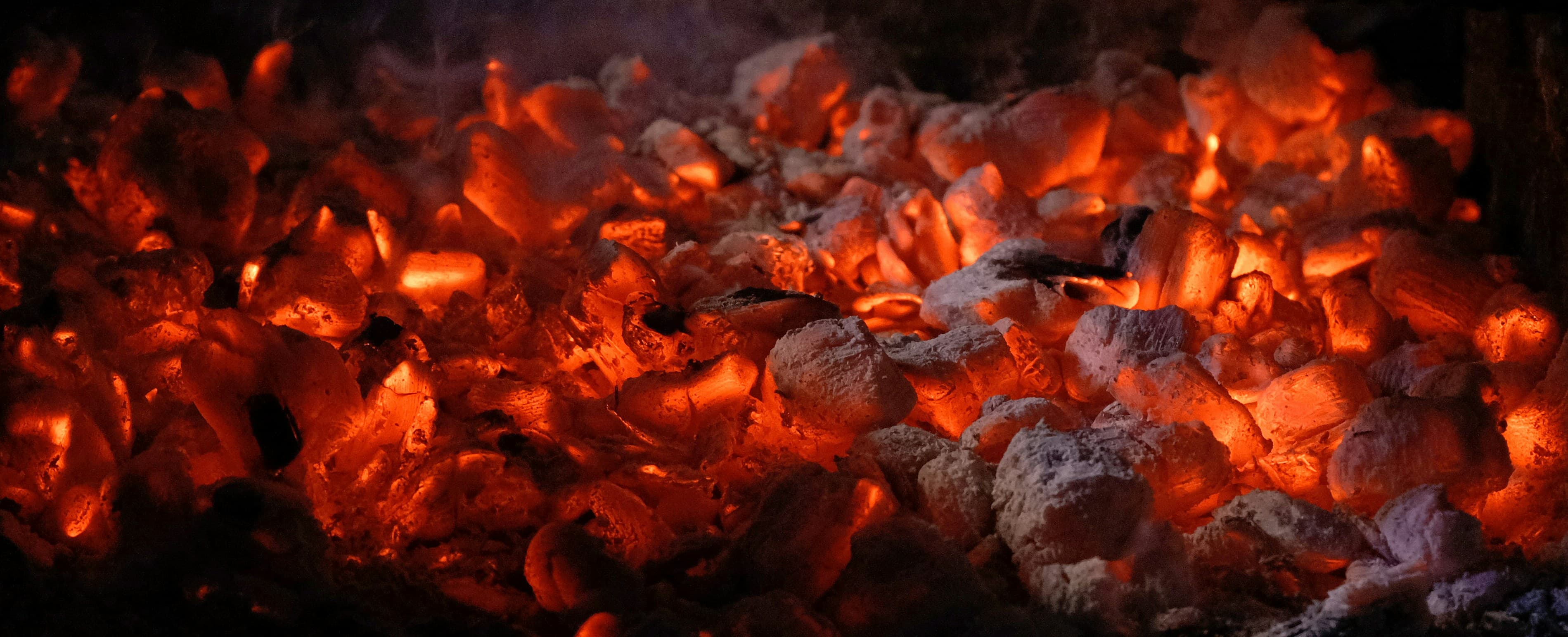
Breeo X24
The Breeo X24 is the smokeless fire pit to buy if you want it to last forever and cook on it. Made in Pennsylvania from heavy-gauge steel, it carries a limited lifetime warranty and a genuine live-fire cooking system. The trade-offs are real: at 62 pounds with no handles it is the opposite of portable, and there is no ash pan, so cleanup means shoveling.
 Best Overall Fire Pit
Solo Stove
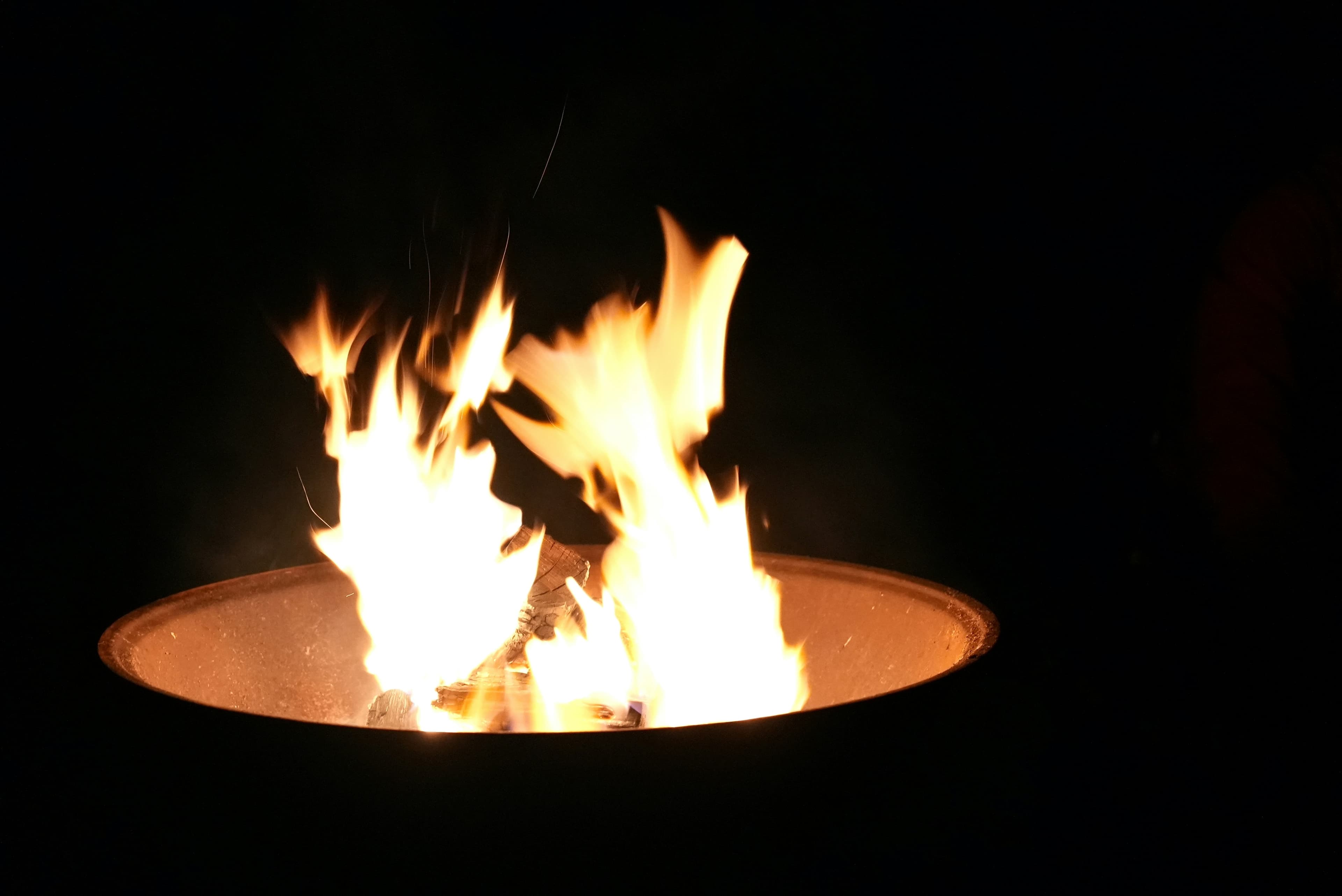
Solo Stove Bonfire 2.0
The Solo Stove Bonfire 2.0 is the smokeless fire pit most people should buy: light enough to carry one-handed, genuinely smokeless once up to temperature, and backed by a lifetime warranty. The 2.0 adds a removable ash pan that fixes the original's biggest annoyance. Just know that the airflow that kills the smoke also sends heat upward, so it warms a crowd less than an open fire, and the steel can rust in damp climates.
 Best Portable Pizza Oven
Gozney
Gozney Roccbox
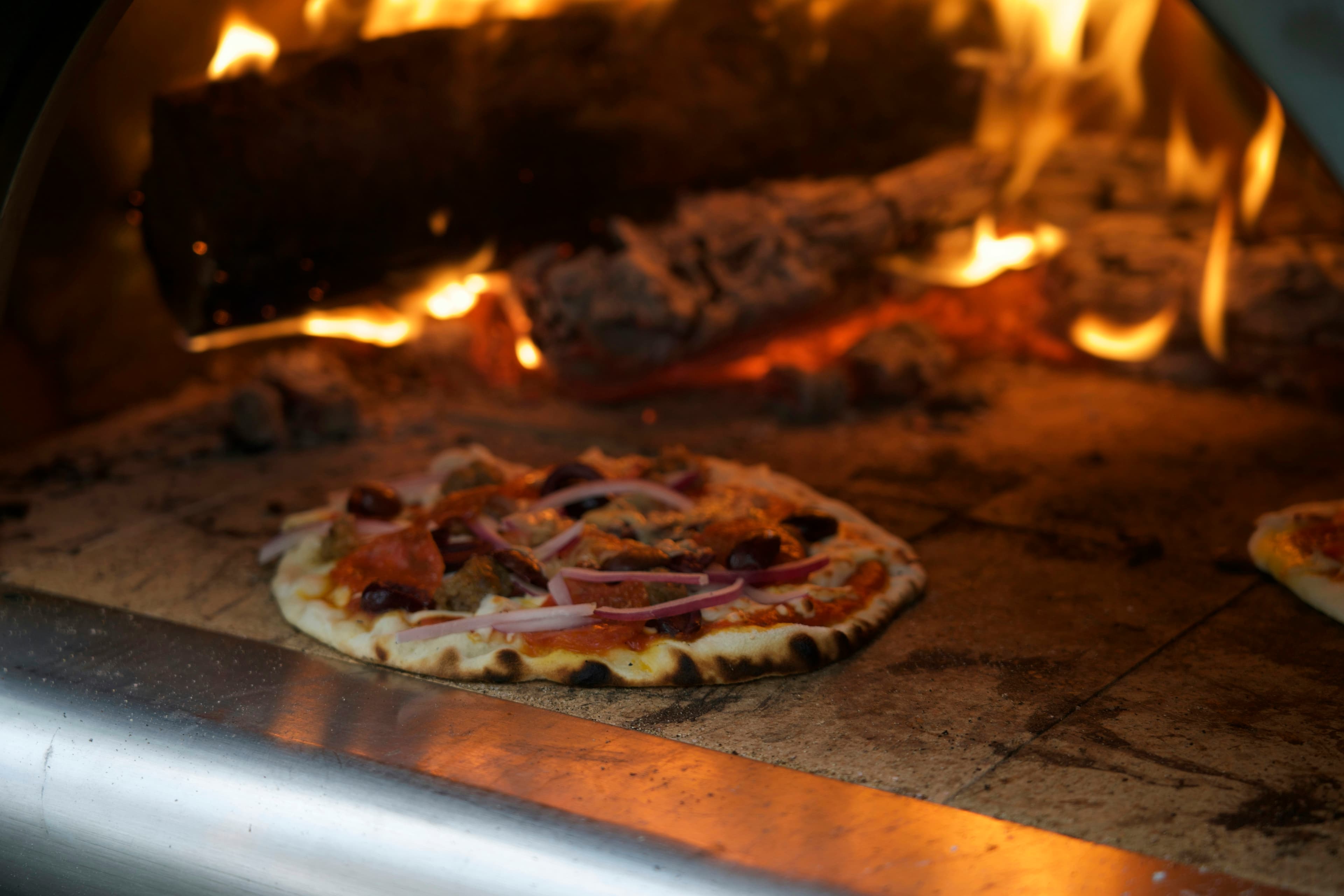
The Gozney Roccbox is the portable premium pizza oven to beat: Serious Eats ranked it #1 in a 10-oven shootout, and its signature silicone jacket stays cooler to the touch than bare-steel rivals. The catch is size: the stone tops out at a 12-inch pizza, the wood burner is a separate purchase, and at $499 it is among the priciest portables.
Best Overall Pizza OvenOoni
Ooni Karu 2 Pro
The Ooni Karu 2 Pro is the multi-fuel pizza oven we would point most people to. It hits 950°F, cooks a 16-inch pizza, and adds genuinely useful smart features (a larger ClearView door, a Bluetooth temperature hub, and a meat probe) over the discontinued Karu 16. In head-to-head testing it produced pizza on par with ovens costing far more; the main caveats are that the gas burner is a ~$140 add-on and wood firing has a learning curve.
 Best Luxury Pizza Oven
Gozney
Gozney Dome (Gen 2)
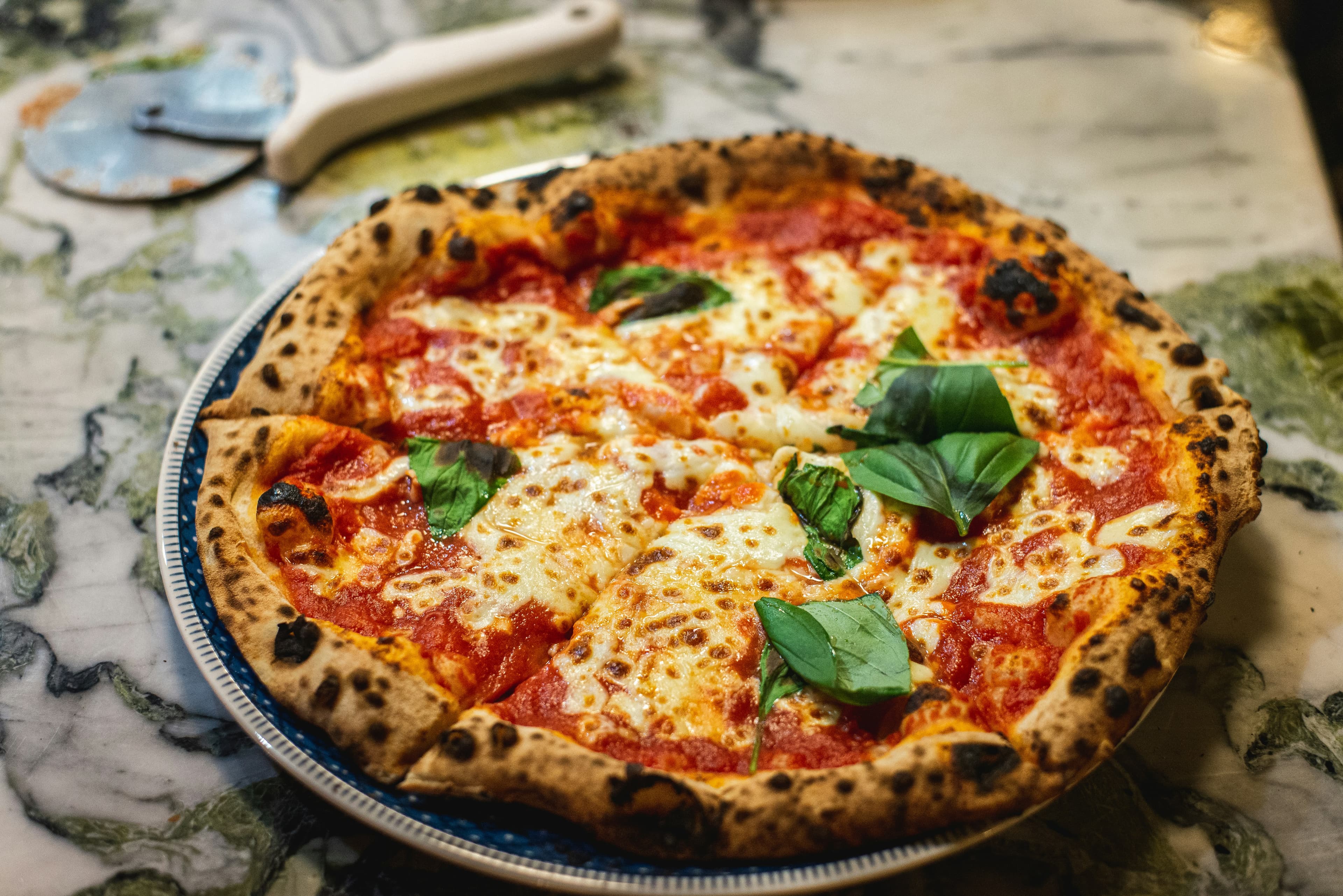
The Gozney Dome (Gen 2) is the closest a backyard oven comes to commercial spec: three-fuel flexibility, a lateral rolling-flame burner, and heavy ceramic-coated insulation that reviewers consistently rank at the top of the class. It is also one of the most expensive ovens you can buy, and the Gen 2 ignition system has drawn complaints, so it earns its place for serious, frequent outdoor cooks rather than casual users.
Comparisons
Convenience versus raw heat: a gas fire table wins for most suburban and HOA patios on cleanliness and code-compliance, while a wood fire pit wins on peak warmth and primal ambiance.
See the breakdownFurniture-grade premium versus best all-rounder: the Real Flame wins on materials and heat, but the Outland delivers most of the experience for a third of the price, and wins for most buyers.
See the breakdownDurability versus value: the Outland wins on rust-resistant aluminum, CSA certification, and long-term build, while the Bali matches its heat and versatility for less: the value pick.
See the breakdownValue versus capability: the Sojag is a third of the price and assembles in a fraction of the time, but the PURPLE LEAF’s adjustable louvers make it the more capable structure for buyers who want weather-adaptive shade.
See the breakdownLow-maintenance capability versus natural-wood charm: aluminum wins on adjustability and zero upkeep, wood wins on aesthetics and the feel: pick by how much you value the look versus the effort.
See the breakdownAdaptability versus durability-and-value: the louvered pergola wins on flexibility, but the hardtop gazebo delivers stronger verified weather protection for half the price, and wins for most buyers.
See the breakdownReally a fuel-type choice: the Weber wins as the more reliable, do-it-all everyday grill, while the Traeger is the pick if hands-off wood-smoke flavor is what you’re after.
See the breakdownThe Kamado Joe wins out of the box on features and what’s included. But the Big Green Egg counters with a lower entry price and the bigger ecosystem.
See the breakdownFor similar money the Recteq is the better-built, longer-lasting, more capable pellet grill: the Traeger wins only on app polish and in-store buying for beginners.
See the breakdownFor most people the Solo Stove wins on portability, price, and easy cleanup. But Breeo is the better-built oven if you want to cook.
See the breakdownFor most buyers the Ooni Karu 2 Pro wins: it matches the Dome on pizza for over a thousand dollars less.
See the breakdownIs it worth it?
Are Expensive Fire Tables Worth It?
Only for what the money actually buys: looks and durability, not more warmth. The clearest example: a ~$1,200 Real Flame Sedona delivers about 30% more heat than a ~$340 Bali Outdoors (65,000 vs. 50,000 BTU) while costing three to four times as much. That is not a rip-off (the concrete/GFRC materials, finish, and included natural-gas kit are genuinely premium), but the premium is disproportionate to the heat. So "expensive" is worth it if you want the fire table to be a furniture-grade design centerpiece you keep for years; it is not worth it if you mainly want good ambiance and warmth, where a mid-priced table delivers nearly the same experience for a fraction of the cost.
Worth It for SomeAre Gas Fire Tables Worth It?
Yes, if you buy one for what it actually is: an attractive patio furniture piece that also makes a nice, ambient fire, not a heat source. For ambiance, a lifestyle upgrade, and modest supplemental warmth on a mild evening, a gas fire table delivers, with push-button convenience, no ash, and HOA and burn-ban compliance a wood fire can’t offer. The honest caveat is heat: expert and owner consensus is consistent that these warm only the people sitting within roughly three to six feet, and wind materially cuts (or extinguishes) the flame. If your mental model is "campfire replacement," you’ll be disappointed; if it’s "good-looking table that also makes fire," they’re genuinely worth it.
Worth It for SomePergola vs Gazebo: Which Is Worth It?
It depends on your yard and your climate more than your budget. If you already have a deck or patio slab, a pergola usually integrates better, can attach to the house, and costs less at equivalent quality: it defines an outdoor "room" within your existing hardscape. A gazebo is worth it when you want a fully freestanding structure away from the house (over a hot tub or fire pit), when you live in a heavy-snow climate and want a rated all-metal hardtop roof, or when a traditional garden focal point matters more than flexibility. For most patio owners, a pergola (or a louvered pergola) is the more versatile pick; for freestanding, all-weather shelter, a hardtop gazebo wins.
Worth It for SomeAre Louvered Pergolas Worth It?
For buyers who use their patio across three or four seasons and want one structure that handles both blazing sun and sudden rain, yes: the adjustable louvers genuinely replace a separate shade sail and a rain shelter, and independent testing (hail and storm survival, a measured ~14°F temperature drop) backs the marketing rather than just restating it. The honest caveats: manual louvers are a real chore to close in a surprise downpour, motorized versions add real cost and a new failure point, and the premium only pays off if you actually use the adjustability. If you would leave the roof in one position year-round, a fixed hardtop gazebo delivers similar day-to-day value, and stronger weather ratings, for less.
Worth It for SomeIs a Big Green Egg Worth It?
A Big Green Egg is worth it if you want one cooker that does everything (grill, smoke, bake, and sear) and will keep it for decades. The thick ceramic is genuinely buy-it-for-life, backed by a lifetime ceramic warranty, and no grill has a bigger accessory ecosystem or owner community. The catches are cost and honesty about that cost: the egg-only price doesn’t include the heat deflector or a stand you actually need, the single-piece interior lacks rivals’ multi-level systems, and there’s a real charcoal learning curve. For a committed backyard cook it’s worth it; for an occasional griller who wants convenience, a gas grill makes more sense.
Worth It for SomeAre Pellet Grills Worth It?
A pellet grill is worth it if you want real wood-smoke flavor with almost none of the fuss: you set a temperature, the grill feeds pellets and holds it automatically, and you can monitor a brisket from your phone. For people who want barbecue without babysitting a fire, it’s genuinely transformative. The trade-offs: most pellet grills sear poorly (they top out lower than gas or charcoal), they need an electrical outlet, and cheaper ones rust and have controller and auger issues. So they’re worth it for the smoke-and-convenience crowd, but if you mainly sear steaks or want zero electronics, gas or charcoal is a better fit.
Worth It for SomeAre Smokeless Fire Pits Worth It?
If smoke is the reason you avoid your fire pit, yes: a smokeless pit genuinely cuts smoke once it is hot, which is worth the premium for many backyards. If you mainly want maximum warmth on cold nights, a traditional open fire pit gives you more heat for less money. It comes down to whether you are buying ambiance and clean air or raw warmth.
Worth ItAre Outdoor Pizza Ovens Worth It?
For anyone who makes pizza more than a few times a year, yes. A dedicated outdoor oven reaches roughly 950°F (about 400°F hotter than a kitchen oven) and turns out a true Neapolitan pizza in 60 seconds, a result no indoor oven can match. For a once-a-summer cook, a baking steel in your regular oven gets you most of the way for a fraction of the cost.