Kitchen
Appliances and tools that earn their place on the counter.
- Espresso Machines
- Coffee Grinders
- Blenders
- Cookware
- Knives
Buying guides
Best Blenders
The right blender depends almost entirely on how hard you use one, so we weighed the current field against expert test roundups, owner-reported reliability, warranty terms, and honest price-to-performance. Our overall pick is the do-everything machine that blends smoothest and lasts a decade; from there the picks split by need: the quietest premium option, the raw-power-and-under-cabinet-fit choice, the value champion most people should actually buy, and the best single-serve personal blender. One honest theme runs through it: price and everyday performance don’t track, and the $700 machine is overkill for a morning smoothie.
5 picksBest Espresso Machines
A home espresso machine can pay for itself against café prices, but the “best” one depends entirely on how much technique you want to trade for convenience, so we researched the leading machines against expert reviews, owner-reported reliability, and the true cost of ownership (a grinder included). The picks split cleanly by buyer: the most repairable enthusiast machine, the best all-in-one, the friendliest first machine, the best compact, and the best push-button super-automatic. One honest note up front: machines without a built-in grinder (the Gaggia and Bambino) need a separate burr grinder, which is part of the real cost.
2 picksBest Frozen Drink Machines
Frosé, frozen margaritas, and slushies on demand. We researched the leading frozen-drink machines to find the ones worth the counter space. The big divide is how they make the cold: compressor machines freeze the drink itself (no ice), while party machines shave bagged ice for speed. Here are our picks for each.
2 picksBest Nugget Ice Makers
Soft, chewable "good ice" is the reason nugget ice makers went viral. We researched the leading countertop machines (comparing ice quality, output, reliability, and price) to find which ones are worth it. The short version: one maker still makes the best ice, but a cheaper rival gets you most of the way.
Reviews
 Best Personal Blender
NutriBullet
NutriBullet Pro 900
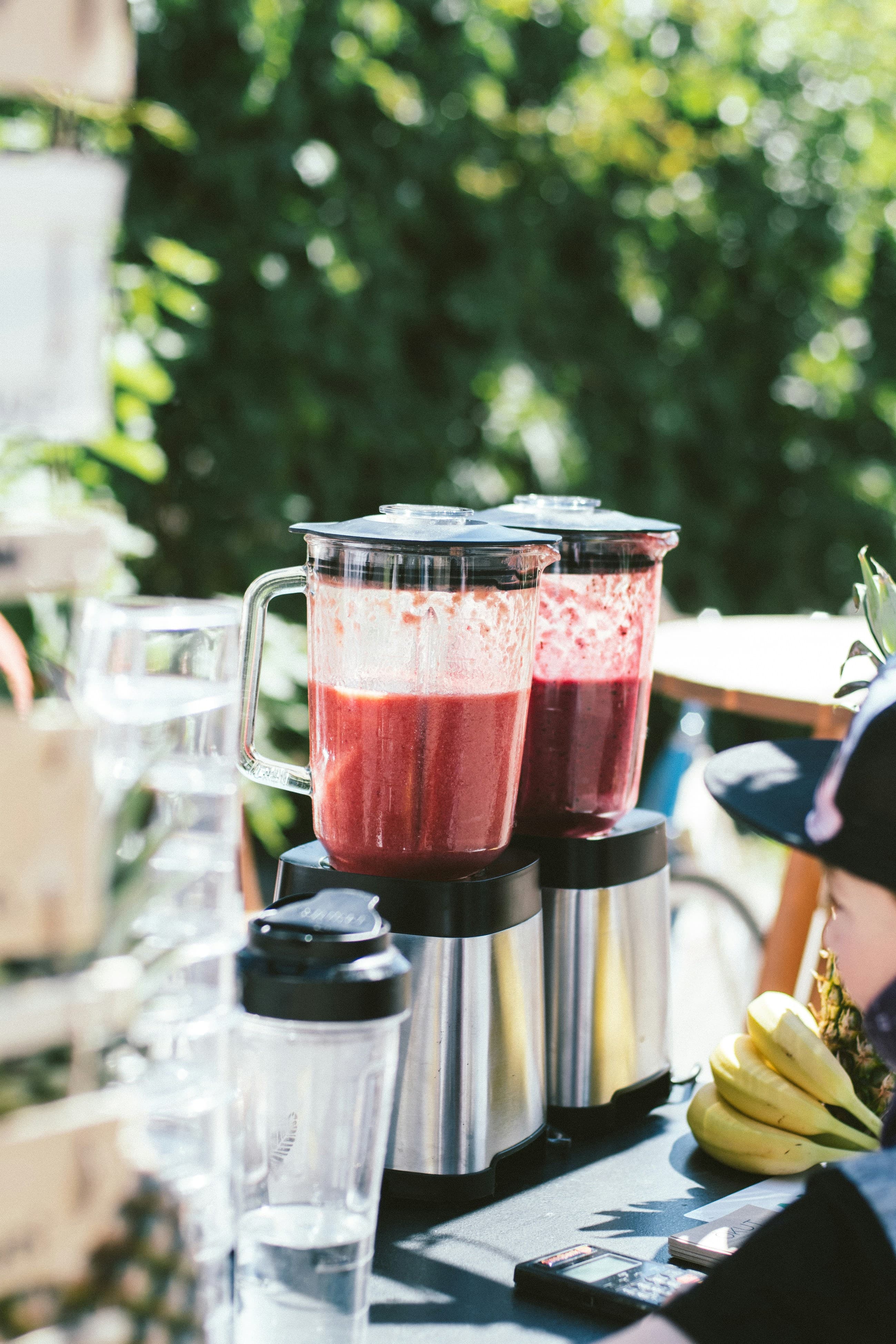
The NutriBullet Pro 900 is not trying to be a countertop powerhouse, it is the best single-serve smoothie maker for people who value speed, portability, and price. At ~$80 it is the cheapest machine in the guide by a wide margin: a compact 900W bullet that blends frozen fruit, kale, nuts, and seeds in under a minute, then the cup inverts into a travel container so you drink straight from it. It caps out fast, though: no hot soup, no big batches, textures that are not as silky as a high-performance blender, and it needs cooling breaks on dense loads. Judged as a personal blender it is excellent value; judged against full-size machines it is a different tool entirely, and we score it that way.
 Best Value
Ninja
Ninja Detect Power Blender Pro
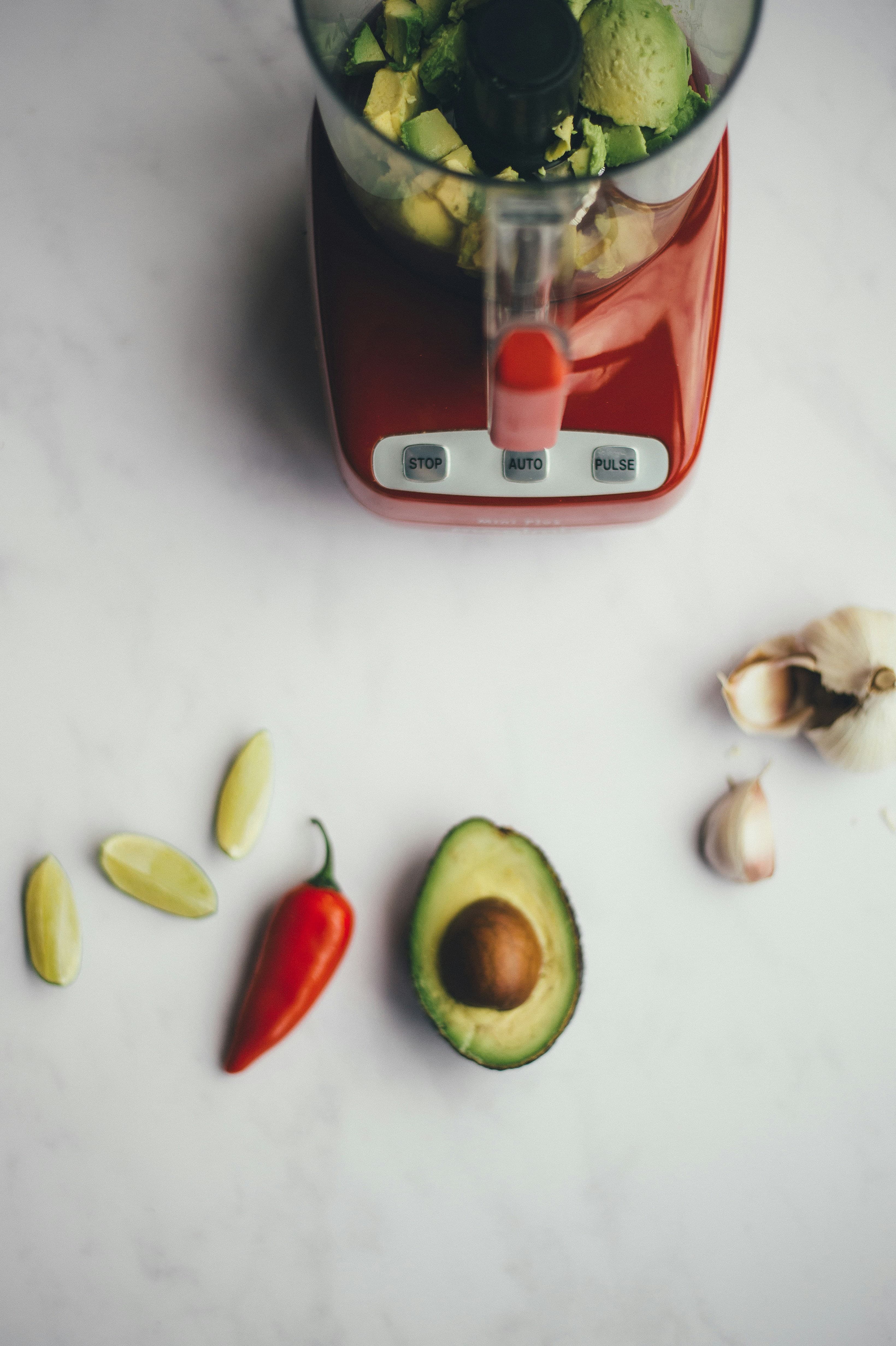
The Ninja Detect Power Blender Pro is where most people should start. At ~$150 it does about 85% of what a $500 to $700 machine does for a quarter of the price: an 1800W-peak motor that crushes whole ice and frozen fruit, a family-size 72 oz pitcher, and BlendSense tech that auto-adjusts speed and time so you are not guessing. It does not match Vitamix or Blendtec on nut butter, fibrous greens, or hot soup, it is loud, and the plastic pitcher and seals are the weak points over years of heavy use. But for everyday smoothies and frozen drinks, the price-to-performance is unbeatable: this is the value champion of the guide.
 Best for Power
Blendtec
Blendtec Total Classic
The Blendtec Total Classic is the brute-force pick: a 3-HP motor and a blunt safety blade that need no tamper because the five-sided WildSide+ jar pulls dense ingredients down into the blades on their own. It friction-heats hot soup in about 90 seconds and its short 15.5-inch jar slides under standard cabinets, which the taller Vitamix and Breville cannot. At ~$400 it undercuts both while matching them on raw power. The trade-offs are real: the wide jar struggles with small or very thick batches, it is punishingly loud (94 to 108 dB in tests), and the warranty is 7 years to Vitamix and Breville's 10. Buy it for power and cabinet fit.
 Best for Quiet
Breville
Breville Super Q
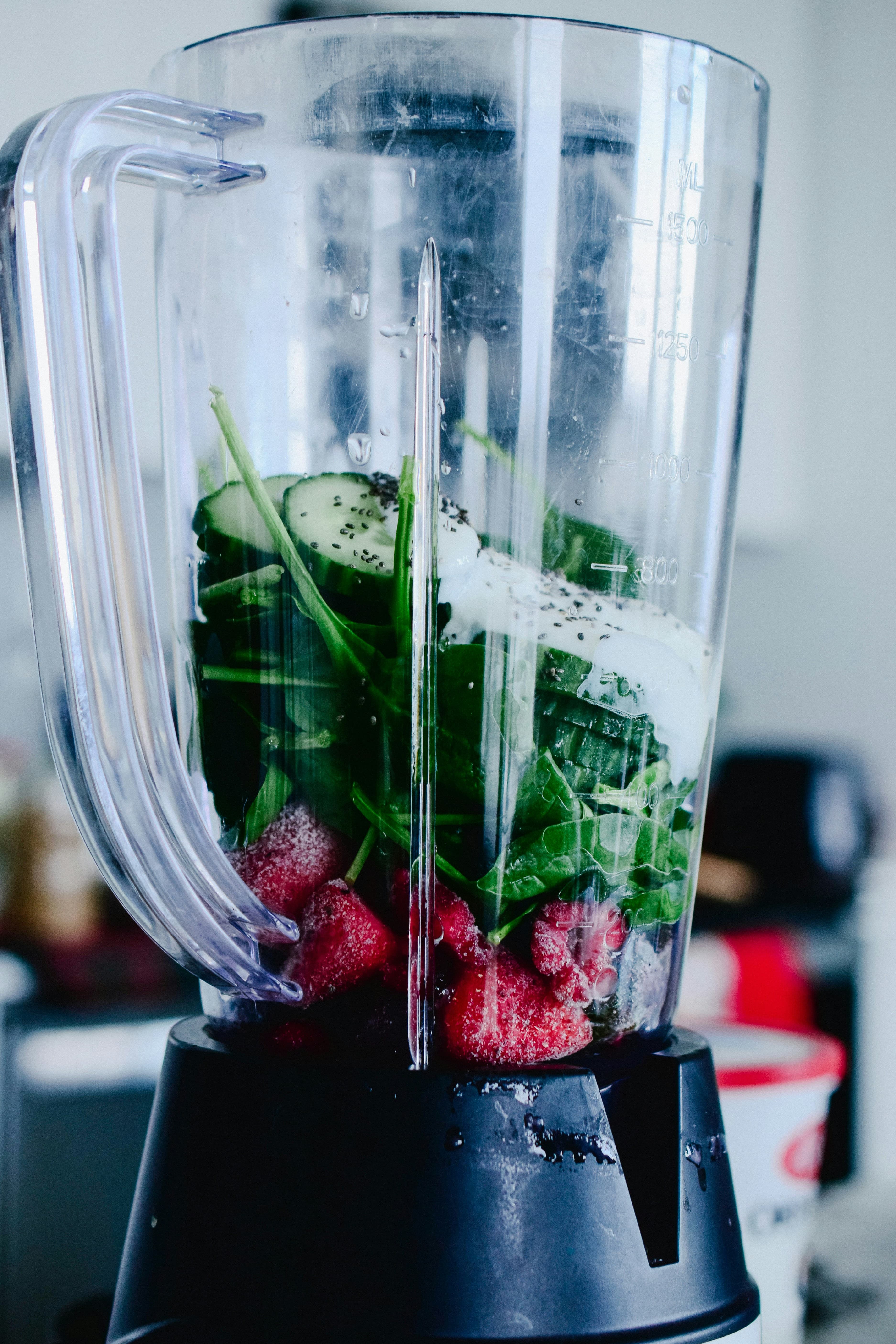
The Breville Super Q is the pick if you want Vitamix-grade blending without the Vitamix racket. It is the quietest full-power blender in its class (around 82 dB versus the near-100 dB of the Vitamix A3500), and it gets there without a bulky sound enclosure. Blend quality genuinely rivals Vitamix (TechGearLab ranked it #1 of 15), it includes a personal blending cup that costs extra on a Vitamix, and it carries a 10-year warranty that covers the motor. It costs the same $500-ish as premium rivals and, at 18 inches, it will not fit under most cabinets. But if noise is what has kept you from a high-performance blender, this is the answer.
 Best Overall
Vitamix
Vitamix Ascent A3500
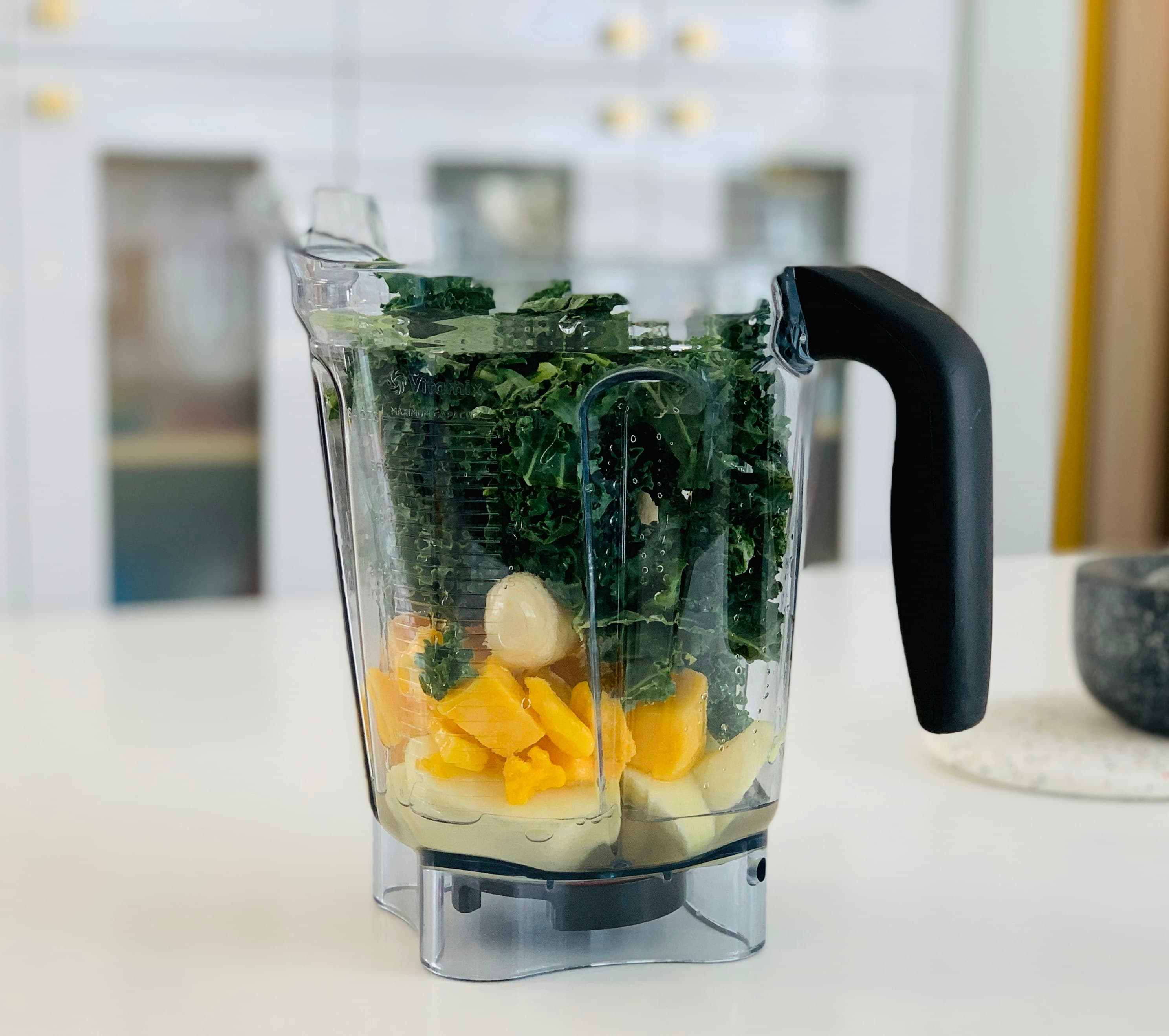
The Vitamix Ascent A3500 is the blender to buy if you want one machine that does everything and lasts a decade doing it. Nothing here blends smoother: it turns ice, greens, frozen fruit, and nuts into zero-chunk purée and friction-heats soup without a stove. The 10-year full warranty and repair-first support are the real justification for the $700 price: this is a buy-it-once appliance, not a gadget. It loses points only on value (it is the most expensive blender here by a wide margin) and noise. If you blend daily or want to replace several small appliances, it earns every dollar. If you make the occasional smoothie, it is overkill.
 Best Super-Automatic
Jura
Jura ENA 8
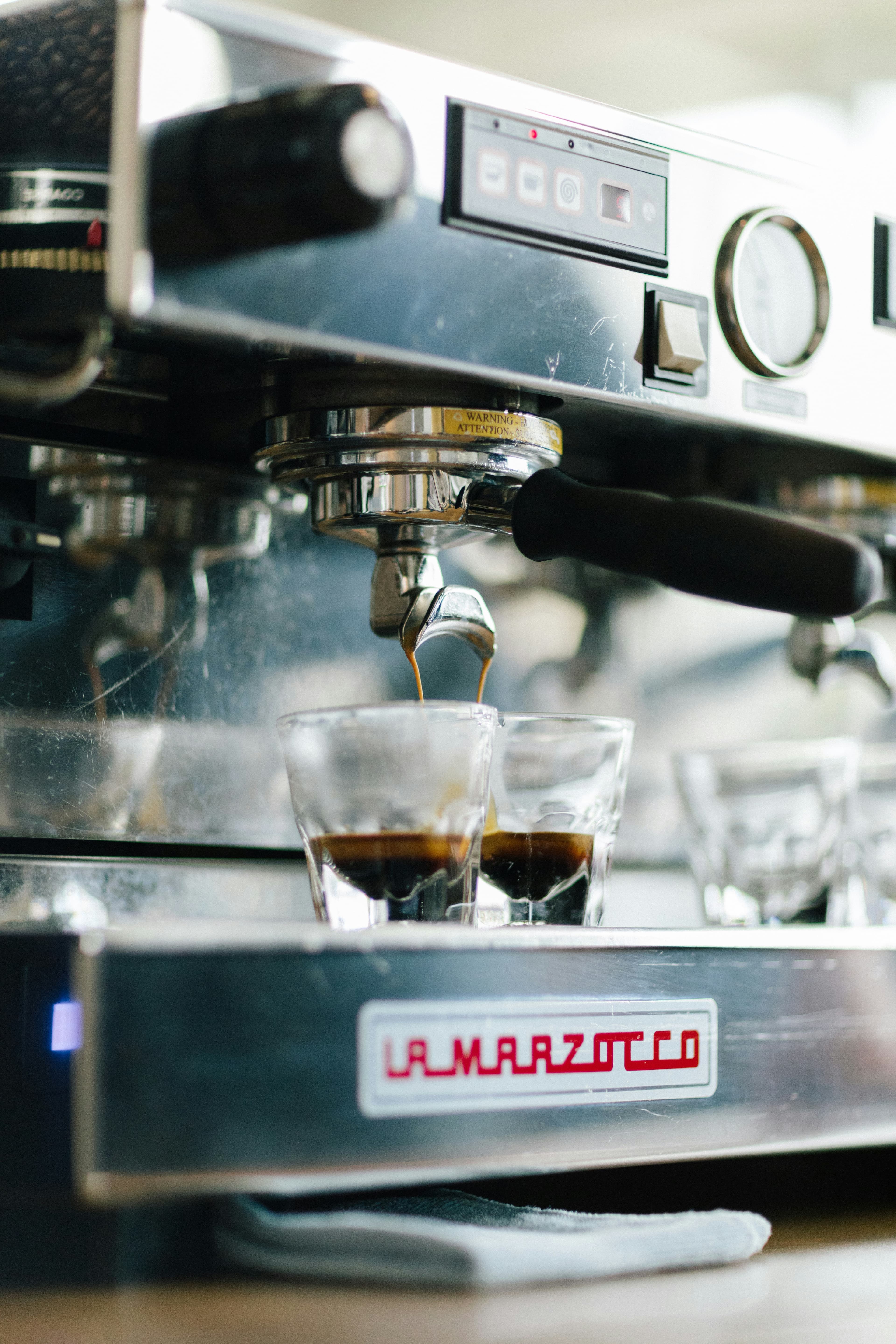
The Jura ENA 8 is the answer for people who want café drinks with zero technique: it grinds, doses, brews, and froths at the press of a button, serving 15 specialty drinks from an unusually compact, Swiss-built machine. There’s no tamping, no steaming skill, and it cleans its own milk system automatically. The catch is the math: at around $1,999 it’s the priciest machine here, its single thermoblock makes one drink at a time, the milk runs cool, and purists get more flavor and control from a semi-automatic-plus-grinder setup for less. For convenience-first buyers, though, it’s a benchmark.
 Best for Beginners
De'Longhi
De'Longhi La Specialista Arte Evo

The De’Longhi La Specialista Arte Evo is the friendliest way into real espresso: an all-in-one with a built-in grinder and, crucially, a guided tamping station that removes one of the trickiest beginner steps by tamping to a consistent pressure for you. Its Panarello-style steam wand is forgiving for first-timers, and it’s frequently on sale near $450, undercutting the Breville Barista Express. The trade-offs are a smaller 51mm portafilter (fewer accessories), only 8 grind settings, lighter components, and a cold-brew mode reviewers find gimmicky. As a first machine that gets you to café results quickly, though, it’s the easiest pick here.
 Best Compact
Breville
Breville Bambino Plus
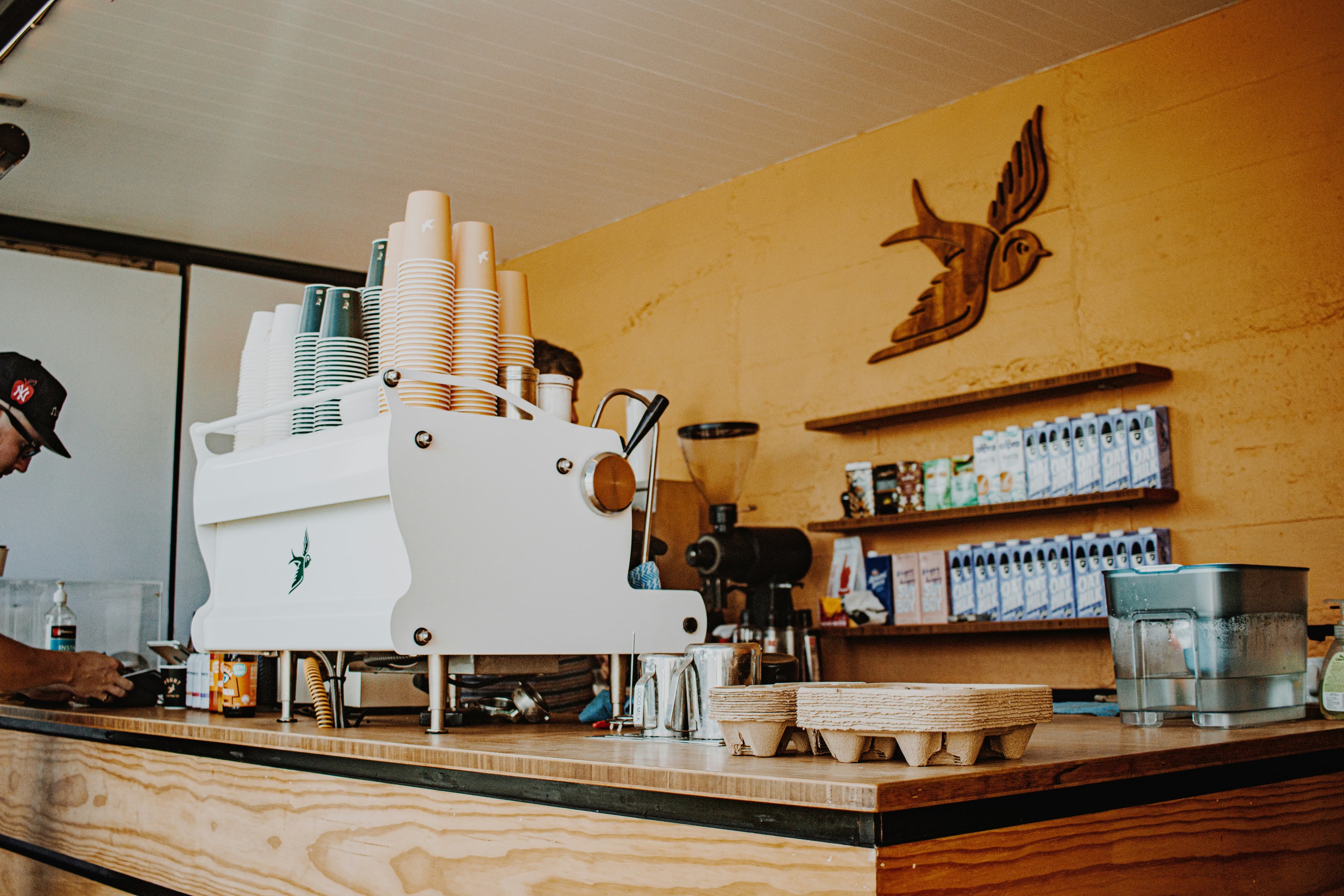
The Breville Bambino Plus packs genuine café-quality espresso into the smallest footprint here (under 8 inches wide), making it the pick for tight kitchens and apartments. It heats up in about 3 seconds, and its standout feature is an automatic steam wand that textures milk hands-free with selectable temperature and froth levels, so beginners get latte-quality milk without the learning curve. The catch is the same as the Gaggia’s: no grinder, so you’ll need to budget for one. It’s also very light and its water tank is small, but for compact, fuss-free espresso it’s the reigning entry champ.
 Best All-in-One
Breville
Breville Barista Express
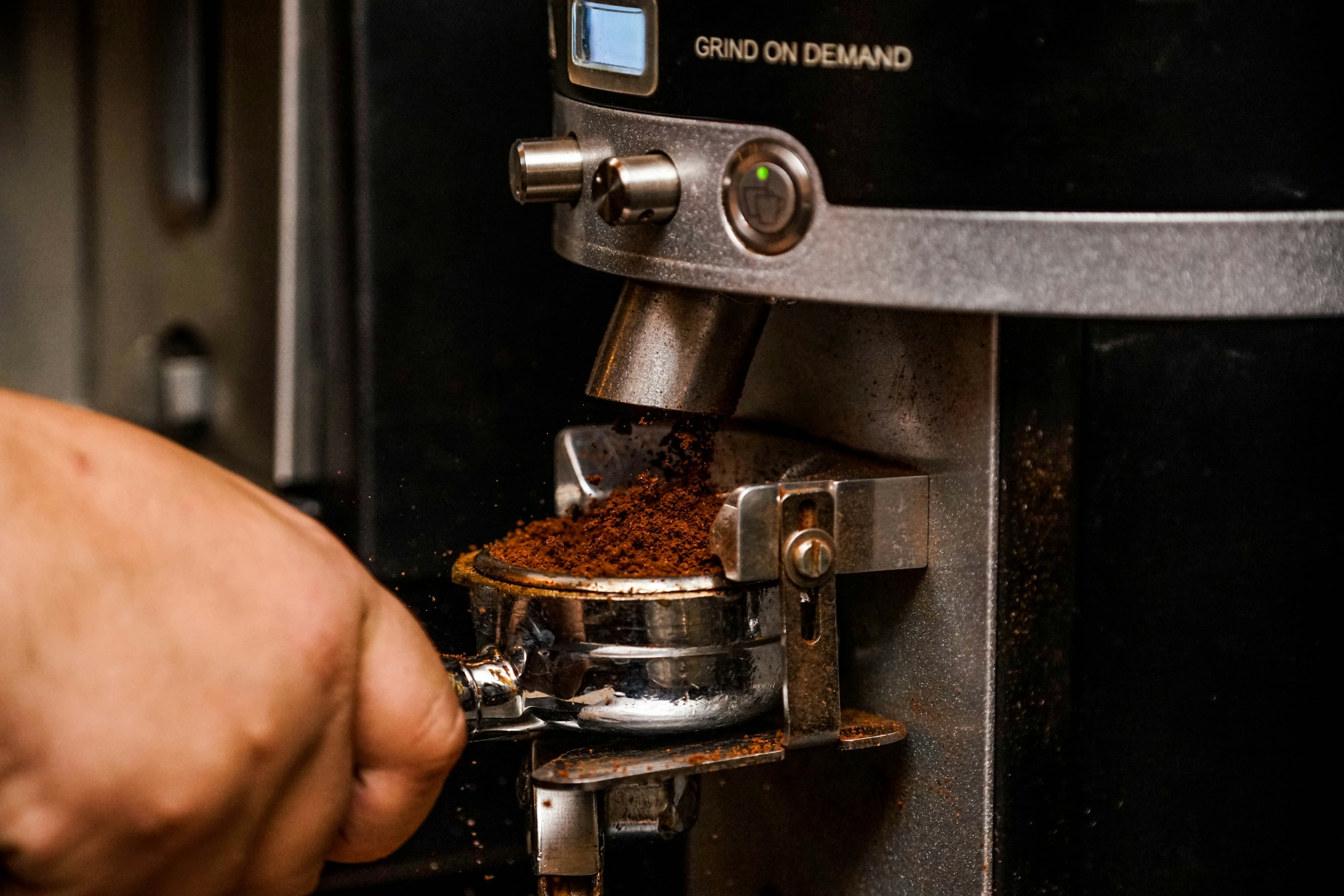
The Breville Barista Express is the most popular on-ramp to real home espresso, and the best all-in-one for most people getting started. It packs a built-in conical burr grinder, PID temperature control, and pre-infusion into one approachable stainless machine, so you can go from beans to a genuine café-style shot without buying a separate grinder or mastering manual technique. The honest limits keep it from the top of our list: a smaller 54mm portafilter, a single boiler (no simultaneous brew and steam), a short 1-year warranty, and middling long-term repairability. But as a complete, accessible package, often around $500 to $630 on sale, it’s hard to beat.
 Best for Enthusiasts
Gaggia
Gaggia Classic Pro
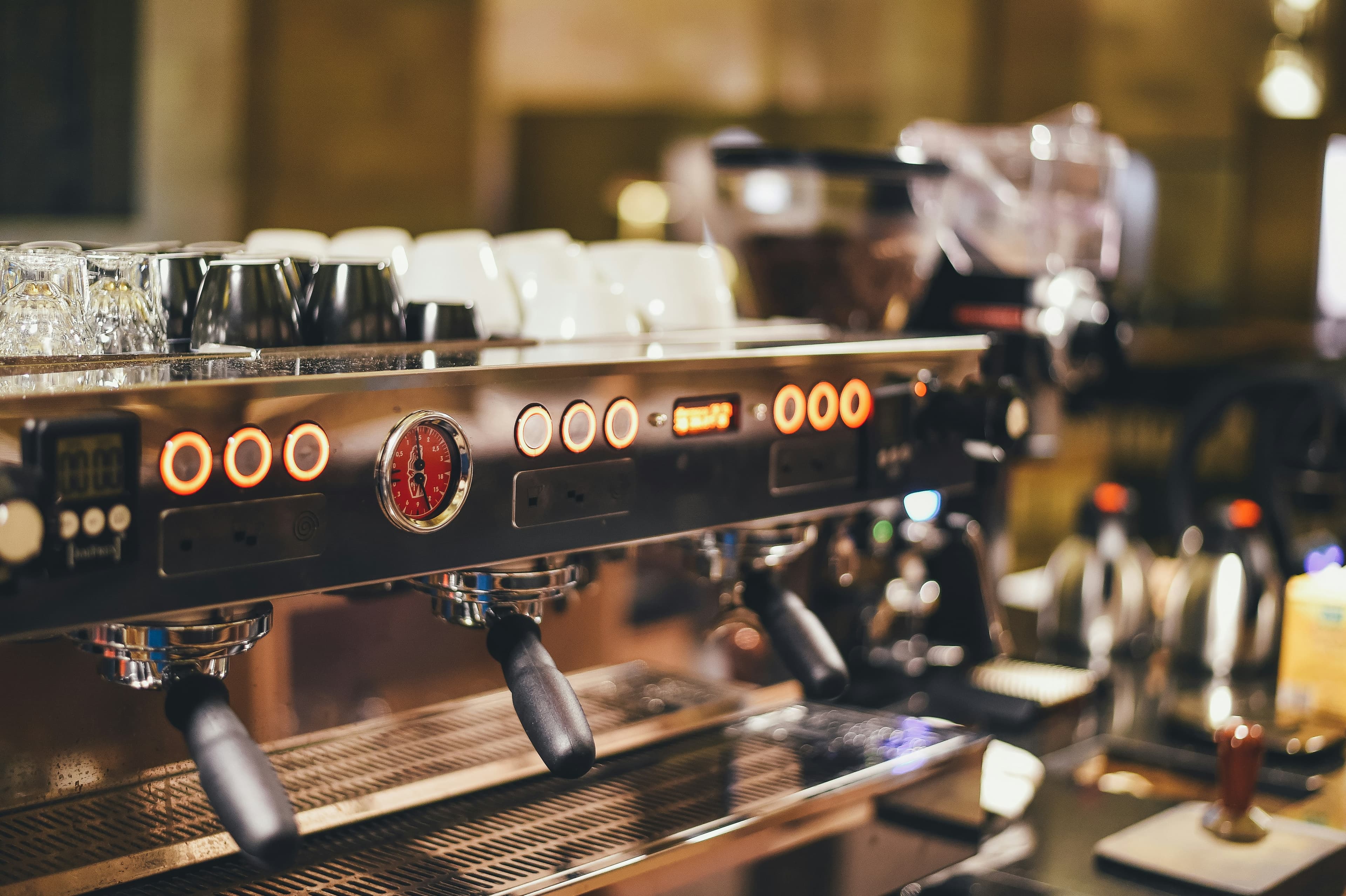
The Gaggia Classic Pro is our Editor’s Choice: not the easiest machine here, but the best one to own for years. It’s a commercial-grade build at a consumer price: a full 58mm portafilter, a brass group head, and an all-metal design you can repair and upgrade for decades, which is why owners keep them running 15 to 20 years. The honest caveats are real: there’s no grinder (budget for a good one), no PID out of the box (you learn to temperature-surf or add a kit), and a single small boiler means waiting between brewing and steaming. Paired with a decent grinder and a little patience, almost nothing beats it at the price.
 Best for Parties
Margaritaville
Margaritaville Tahiti
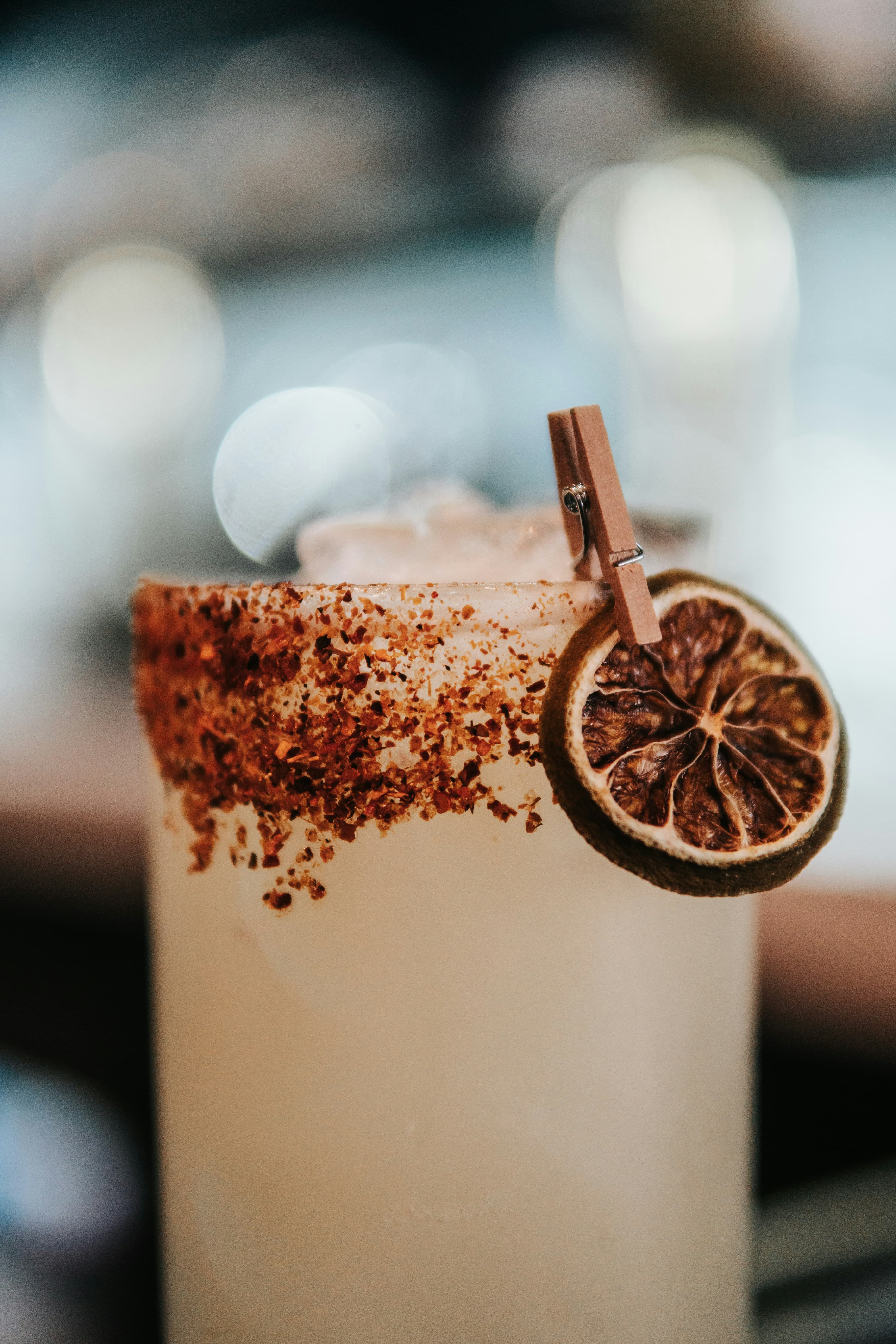
The Margaritaville Tahiti is the party machine: three 24-oz pitchers blend at once and a motorized chute shaves and distributes ice, so it can pour a round of frozen margaritas faster than any single-blender setup. It is built for throughput and bar-style fun. The downsides are that it is enormous and loud, needs bagged ice (it does not freeze drinks itself), and its plastic pitchers are a weak point at this price.
 Best Frozen Drink Maker
Ninja
Ninja SLUSHi
The Ninja SLUSHi is the frozen-drink machine that finally makes home slushies effortless: its RapidChill compressor freezes the drink itself, so there is no bagged ice to shave and no blender to babysit. Five presets cover everything from frosé to milkshakes, and it holds drinks at slush temperature for hours. The catches are size (it is big and heavy), a one-year warranty, and a learning curve on the sugar/alcohol ratio.
 Best Value Nugget Ice Maker
Frigidaire
Frigidaire EFIC255 Nugget Ice Maker
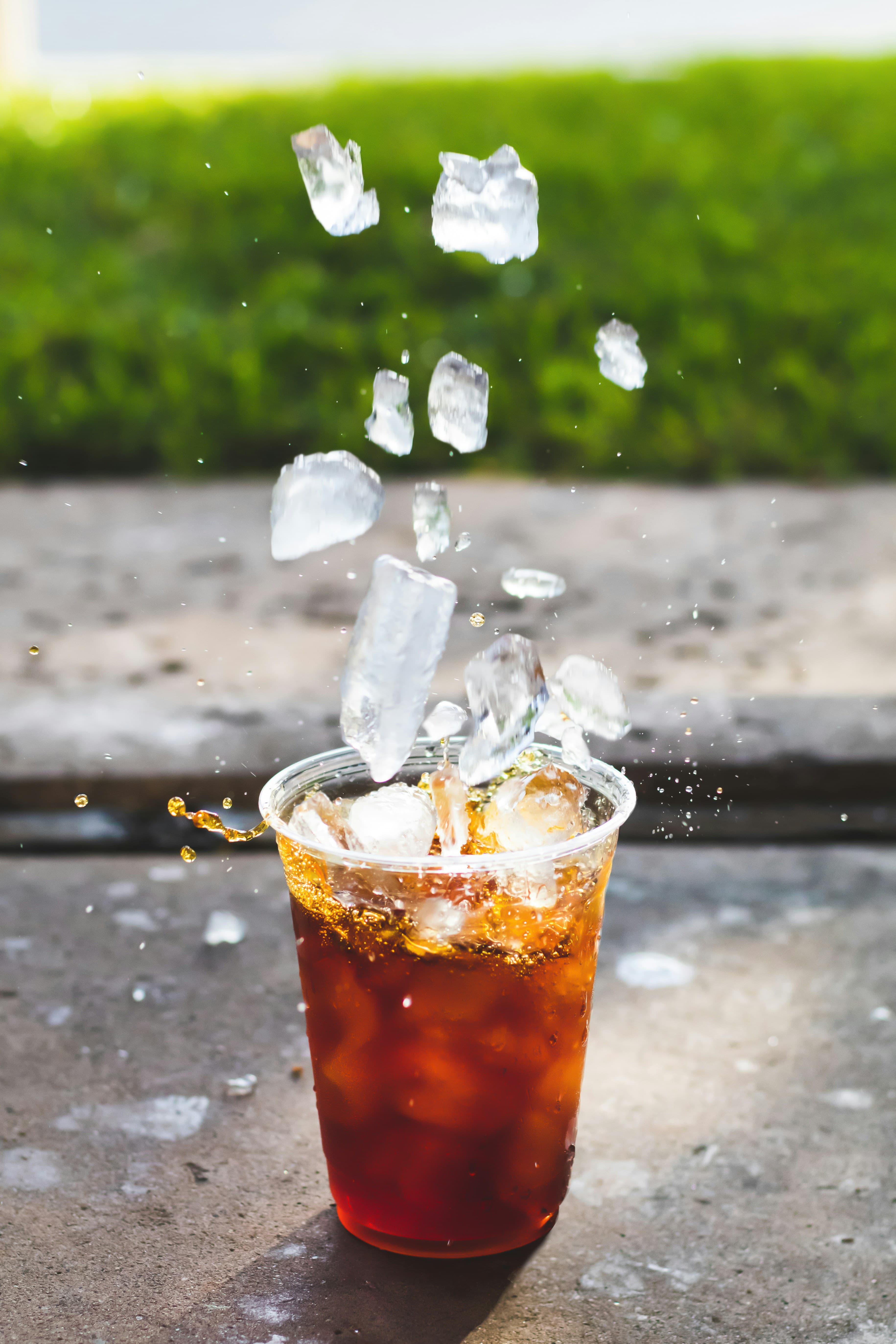
The Frigidaire EFIC255 is the value play in nugget ice: it makes the same craveable chewable pellets as the GE Opal (reviewers say you genuinely cannot taste the difference) for roughly $150 less, with higher daily output. The trade-offs are real, though: it is louder, has no app or WiFi, and its long-term reliability and support are notably weaker, with owner ratings sliding as units age.
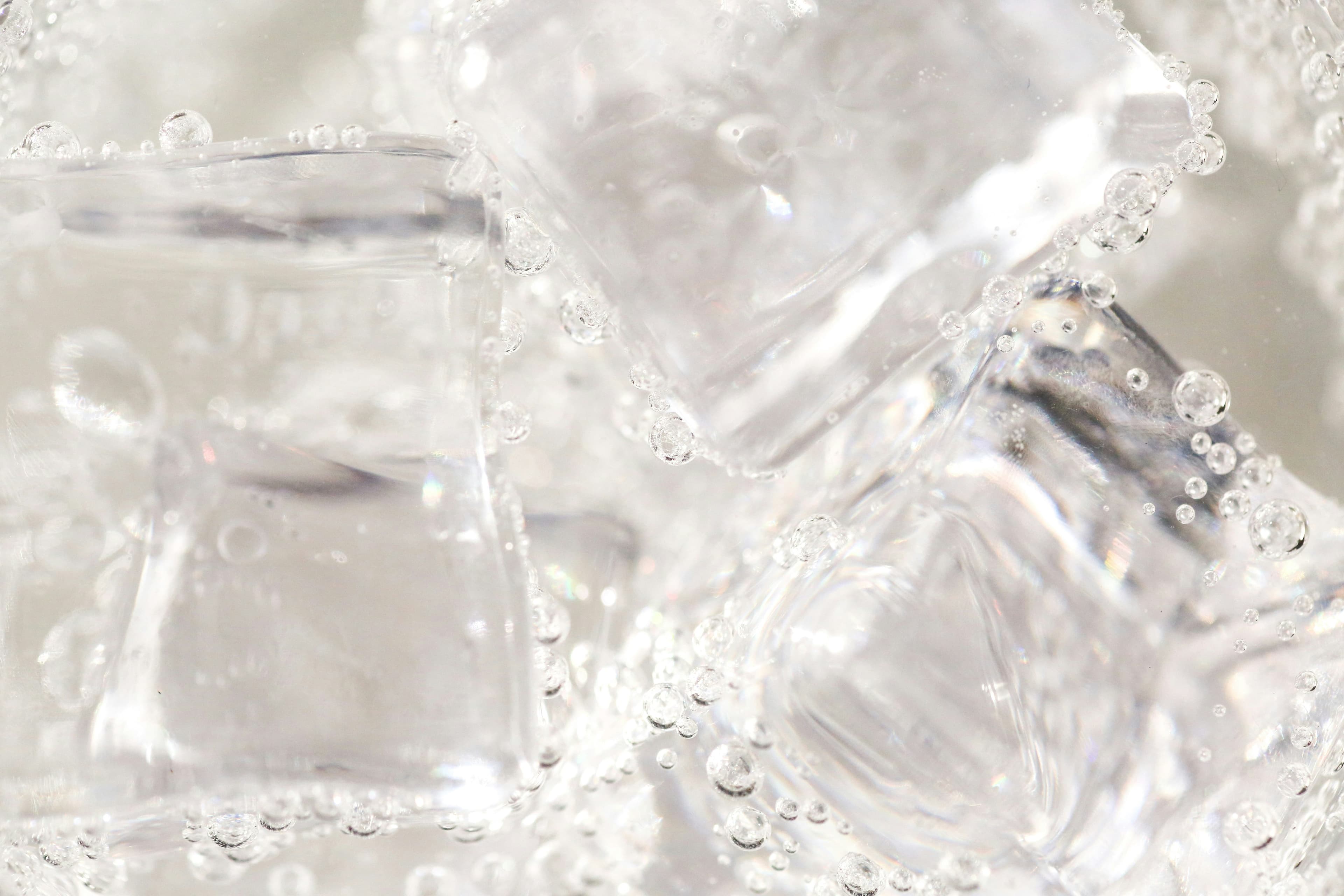 Best Nugget Ice Maker
GE Profile
GE Profile Opal 2.0
The GE Profile Opal 2.0 is the machine that made countertop nugget ice a phenomenon, and it is still the one to beat: the softest, most craveable chewable ice of any home maker, plus a SmartHQ app to schedule batches and a side tank that cuts refills. What holds the score back is ownership: it is expensive, the one-year warranty is thin, GE does not repair its small appliances, and owners have to stay on top of cleaning to avoid mold.
Comparisons
Two very different jobs: the Ninja is a full-size family blender, the NutriBullet a single-serve smoothie maker, and unless you truly only want grab-and-go, the Ninja is the more capable buy.
See the breakdownThe closest fight in the category: the Breville matches Vitamix on blend quality and warranty while running far quieter. Vitamix wins on track record and versatility, but if noise matters, the Breville is the smarter buy.
See the breakdownPower versus polish: the Blendtec matches Vitamix on brute force, fits under cabinets, and costs less. But the Vitamix blends smoother, lasts longer, and carries the better warranty.
See the breakdownTwo great ~$500 machines for different people: the Gaggia is the better long-term machine to learn on, the Bambino is the easier, smaller one to live with.
See the breakdownThe two big all-in-ones: the Breville pulls better espresso and goes further, while the cheaper De’Longhi is friendlier for absolute beginners.
See the breakdownFor most people the all-in-one Breville wins on convenience and total cost; the Gaggia is the better machine for enthusiasts who’ll add a grinder and learn.
See the breakdownFor most people the Ninja SLUSHi wins: it freezes drinks itself with no bagged ice and fits everyday use, but the Margaritaville Tahiti is the better machine if you mostly pour for a crowd.
See the breakdownThe GE Opal wins overall on app smarts, quieter operation, and a better support path. But the Frigidaire makes near-identical ice for about $150 less, so value buyers should look hard at it.
See the breakdownIs it worth it?
Are Expensive Blenders Worth It?
Up to a point, yes, but the curve flattens fast. Going from a bargain blender to a genuinely capable one (around $150) buys real, felt improvements: enough motor to crush ice and frozen fruit, a family-size pitcher, and smart auto-programs. For most people, that mid-tier machine is the sweet spot. Beyond it, a $400 to $700 high-performance blender buys smoother textures on the hard stuff, hot soup, and a 7-to-10-year warranty: genuinely worth it if you blend daily, but overkill if you make the occasional smoothie. So "expensive" is worth it for heavy, versatile use; for everyday smoothies, a $150 Ninja is almost all the blender you need.
Worth It for SomeIs a Vitamix Worth It?
A Vitamix is worth it if you blend often and want one machine to last a decade, and hard to justify if you make the occasional smoothie. At ~$700 the Ascent A3500 is a real investment, but it blends smoother than anything else, does hot soup and nut butter and frozen desserts in one machine, and carries a 10-year full warranty with repair-first support that keeps it running for years. For a daily blender that replaces several appliances, the cost-per-use is trivial over time. For a light user, a $150 Ninja delivers most of the everyday result and the Vitamix premium is money you will not feel.
Worth It for SomeAre Super-Automatic Espresso Machines Worth It?
A super-automatic (bean-to-cup) machine is worth it if you value convenience over craft: it grinds, brews, and froths at one touch, with no technique and almost no cleanup, which is genuinely transformative for busy households, offices, or anyone who just wants a good latte without learning to steam milk. What you’re paying for is that convenience, not better espresso: a semi-automatic machine plus a quality grinder costs less and reaches a higher flavor ceiling. So it comes down to honesty about yourself: if you’ll happily push a button every day and never miss the ritual, it’s worth it; if you enjoy (or want to learn) the craft, you’ll get more coffee and more money’s worth from a manual setup.
Worth It for SomeAre Espresso Machines Worth It?
A home espresso machine is worth it if you drink espresso or milk drinks regularly: the math is compelling, since a $5 daily café habit is roughly $1,800 a year, so even a good machine plus a grinder can pay for itself within a year. The honest caveats are that real espresso has a learning curve and ongoing upkeep, and that the machine is only half the setup: a quality grinder matters as much as the machine itself. If you’ll use it most days and enjoy the process (or want hands-off convenience), it’s easily worth it; for the occasional cappuccino, a café or a simpler brewer makes more sense.
Worth It for SomeAre Frozen Drink Machines Worth It?
A frozen drink machine is worth it if you will actually use it: for frequent entertainers and households that crave frosé, slushies, or frozen margaritas on demand, a dedicated machine delivers a smoothness a blender simply cannot, with far less effort. If you picture it coming out twice a summer, it is a large, single-purpose appliance that will spend most of the year in a cabinet, and a blender with ice will do. The honest deciding factor is frequency, not capability.
Worth It for SomeIs the GE Opal Worth It?
If you genuinely love nugget ice and will use it daily, the GE Opal is worth it: it makes the best chewable ice of any countertop machine and adds app scheduling. But it is a flawed champion: an honest look at the price, the thin warranty, and a near-identical $150-cheaper rival makes it a "worth it for some" rather than an easy yes.