Home Office
Chairs, desks, and tools built for people who sit for a living.
- Office Chairs
- Standing Desks
- Monitors
- Keyboards
- Desk Accessories
Buying guides
Best Walking Pads
Price and everyday performance do not track in walking pads: the $1,299 machine in this guide is the best-built and still the wrong buy for someone walking an hour a day. So our research weighed the current field on expert test roundups, owner-reported reliability, warranty terms, and what each pad honestly costs once routine sales are counted. The WalkingPad P1 leads as the best-balanced, most-proven pad for the typical desk walker, and the picks split from there by need: the best value, the best premium machine for all-day use, the only one with automatic incline, and the best budget 2-in-1.
4 picksBest Premium Standing Desks
A standing desk is a decade-long fixture of your workday, which is why our research leaned hardest on the things marketing pages bury: owner-reported reliability, real warranty terms, and how each desk behaves at full height. The picks split by what you value. The UPLIFT V2 is the configurable all-rounder with the class-leading warranty, the FlexiSpot E7 is the value play, the Vari is the fastest from box to standing, and the Secretlab MAGNUS Pro has the cleanest cable management in the business. We also reviewed the design-led Branch desk; its slow lift and 3-year motor coverage keep it off the podium.
5 picksBest Premium Office Chairs
Anonymous tech workers on Blind argue about $1,500 office chairs with an intensity most forums reserve for politics, and the stakes actually justify it: a chair you occupy eight hours a day for a decade is one of the few purchases you feel every single workday. We researched the leading ergonomic chairs against expert reviews, owner-reported reliability, and warranty terms, and the picks split cleanly by what you value: the best all-around chair, the smartest value, the chair to beat back pain, the best armrests for multi-device work, and the budget pick that still gets the ergonomics right.
Reviews
 Best Budget
UREVO
UREVO Strol 2E
Two machines in one box is the Strol 2E's pitch: handlebar down, it is an under-desk walking pad; handlebar up, its 2.5 HP motor pushes to 7.6 mph for light jogging, the only pad in this guide that can. It lists at $289 with frequent deep sales near $199, skips the maddening speed-change beep of rival budget pads, and carries a 2-year warranty that doubles WalkingPad's coverage. The compromises: a deck below the category standard, a handlebar that wobbles at jogging speeds, and a brand founded in 2022 with no long durability record. Our Best Budget pick, with clear eyes.
 Best for Incline
DeerRun
DeerRun Z10
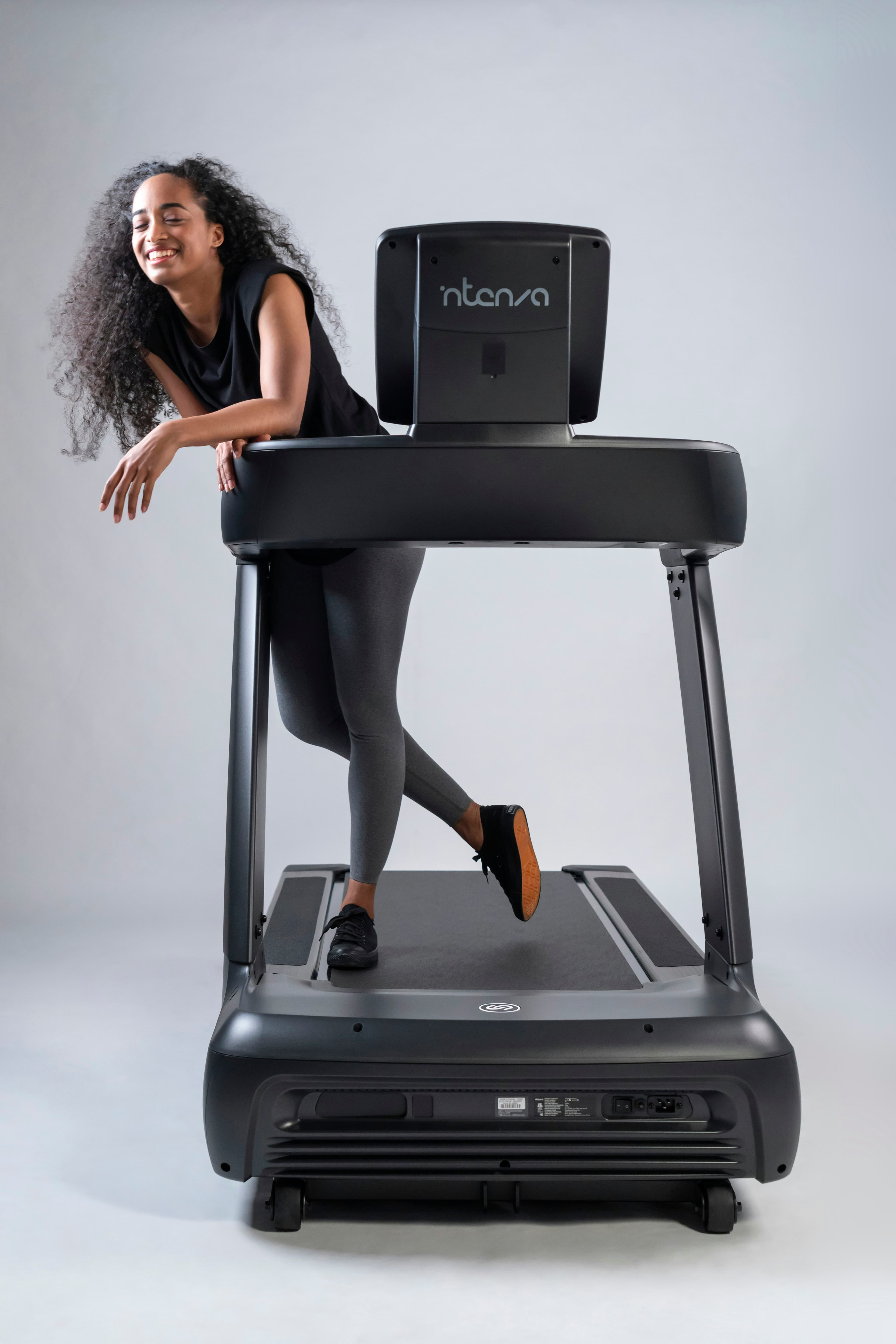
Incline is the entire argument, and it is a good one: 0 to 9 percent across 12 motorized levels, a feature nothing else here offers at any price, on a pad that costs about $299 and frequently drops to $239. Add a 300 lb capacity that beats both WalkingPads and genuinely quiet operation, and the spec sheet punches far above the price. Two flaws keep it out of the top tier: the 35 inch deck is the shortest in this guide, cramped for anyone over 5 foot 8, and it beeps loudly at startup and on every speed change with no way to silence it, which rules out open-plan offices and calls.
 Best Premium
LifeSpan
LifeSpan TR1200Pro-GlowUp
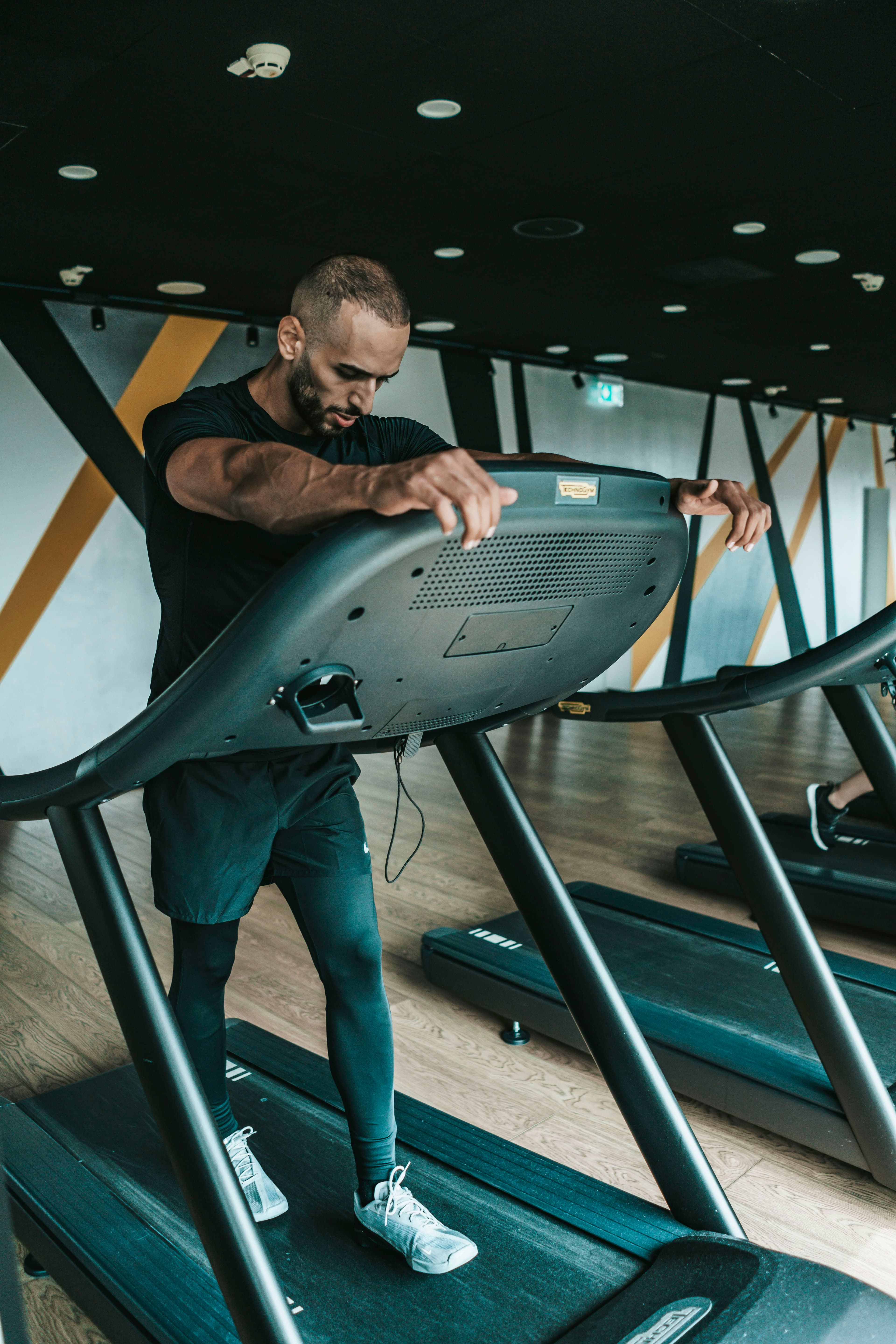
Here is a strange sentence to write about a 7.7: this is the best machine in the guide, and most people should not buy it. The TR1200Pro-GlowUp is genuine commercial-grade equipment: a 330 lb capacity, the widest deck here at 48 by 20 inches, six real joint-cushioning shocks, a whisper-quiet motor, and a 10-year frame warranty from the only US brand in the field. For a permanent standing-desk workstation used all day, it is worth every dollar of its roughly $1,299. But it costs three to five times its rivals, does not fold, and at 60 inches long and 78 lbs it lives permanently where you put it. The score reflects fit for the typical buyer, not the quality of the machine.
 Best Value
WalkingPad
WalkingPad Z1
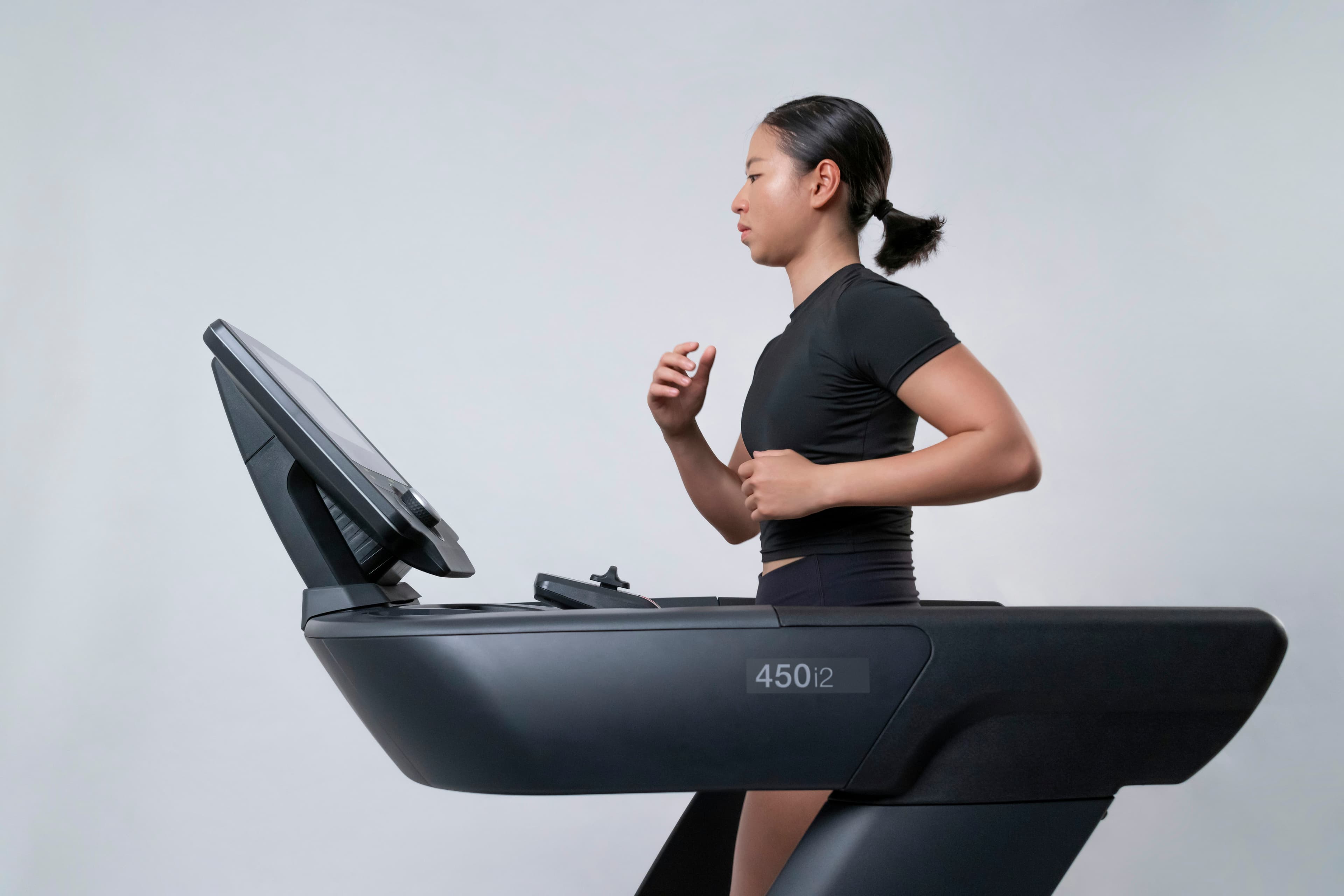
A screen, a wider belt, and a lower price: the WalkingPad Z1 is KingSmith answering the most common gripes about its own P1. Around $329 buys a built-in LED display for speed, time, distance, and steps, a slightly wider 17.3 inch belt, the same FootSense auto-speed, and a 4.0 mph top end for brisk walking. The unknowns are what you accept for the discount: a shorter track record than the P1, an unresolved discrepancy between the official motor rating and independent measurements, and the same thin 1-year warranty that covers the whole WalkingPad line.
 Best Overall
WalkingPad
WalkingPad P1
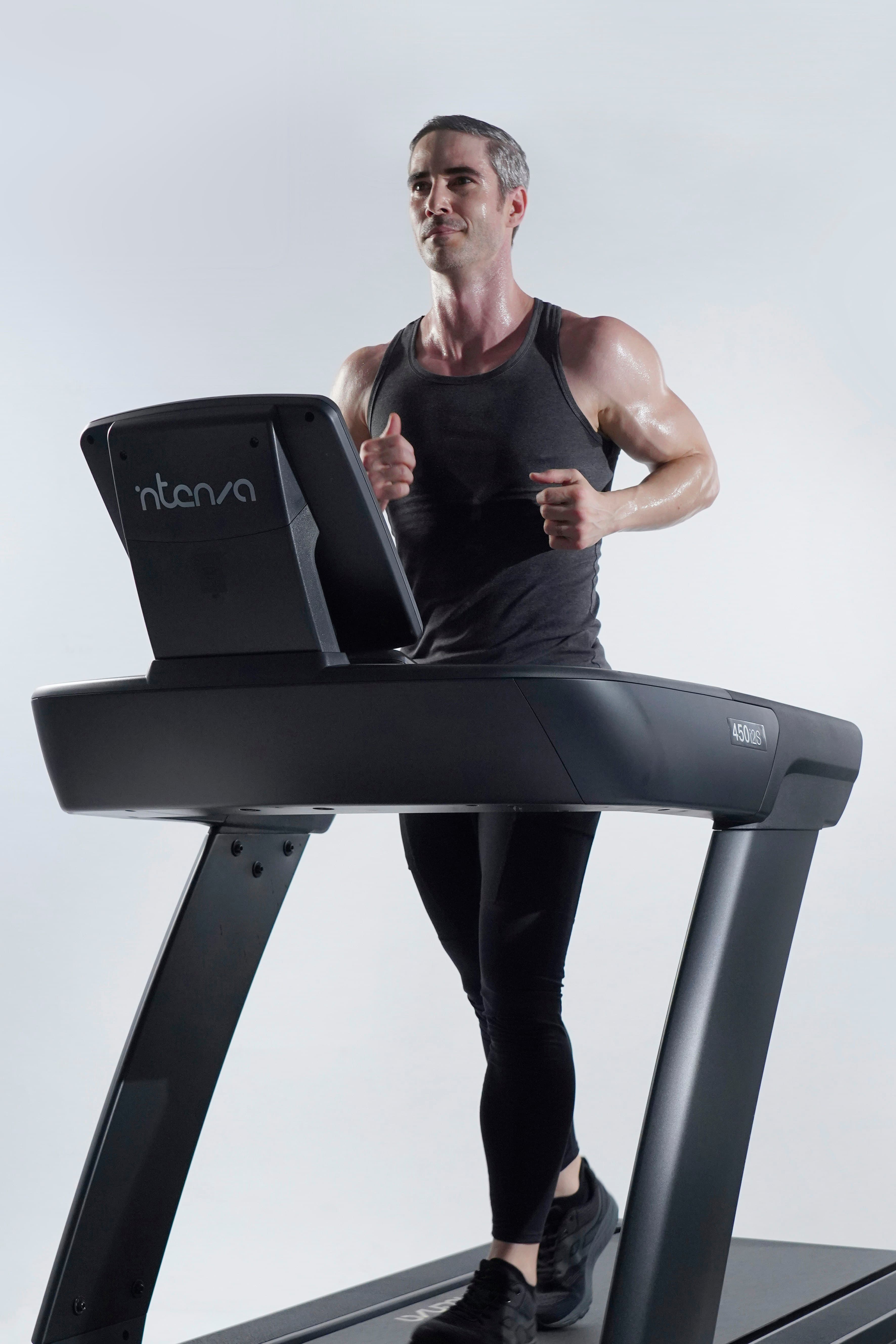
Ignore the $499 list price; almost nobody pays it. The WalkingPad P1 routinely sells in the $349 to $369 range, and at that street price it is the walking pad to buy for most people: the best balance of deck size, storability, and cost in the category. The 47 inch belt is the longest of any fully foldable pad, the patented 180-degree fold slides it under a sofa, and FootSense auto-speed keeps it hands-free while you work. It is not the most powerful or best-built machine here (the 220 lb capacity is the lowest in this guide and the 1-year warranty is thin), but no rival matches its proven track record at the price.
 Design-Forward Pick
Branch
Branch Standing Desk
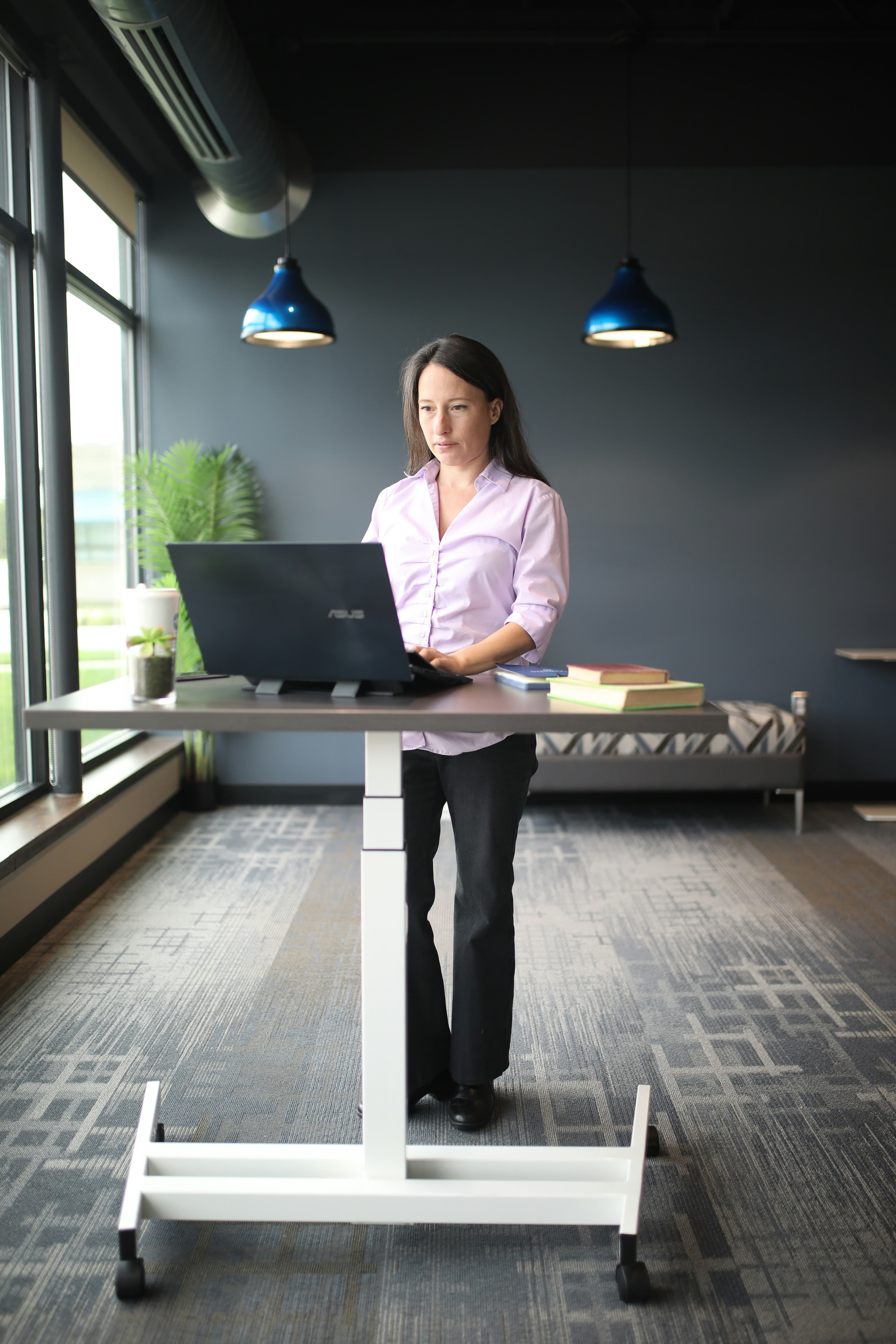
The prettiest desk in this guide is also its weakest performer, and both halves of that sentence matter. The Branch Standing Desk brings clean Scandinavian-influenced design, a simple direct-to-consumer purchase, and a tall 52 inch maximum height for around $699. It also brings the slowest lift in the category (a sit-to-stand cycle takes 20 to 30 seconds), a 275 lb capacity that trails the leaders, and a headline 10-year warranty that covers the motor and electronics, the parts most likely to fail, for only 3 years. Style-first buyers have a real case; everyone else has better options in this guide.
 Best for a Clean Setup
Secretlab
Secretlab MAGNUS Pro
No desk hides cables better. The MAGNUS Pro routes power through a supply hidden inside the leg, runs a full-length hinged cable tray, and attaches mats, monitor arms, and lighting magnetically with no drilling: the cleanest setup in the category, on an all-metal frame that stays rock-steady at any height. The costs of admission: a steel-only top with no wood option, a 5-year warranty that drops to 2 years on electronics, a 265 lb capacity, and an accessory habit that pushes a kitted-out build well past the $799 base price.
 Best for Easy Assembly
Vari
Vari Electric Standing Desk
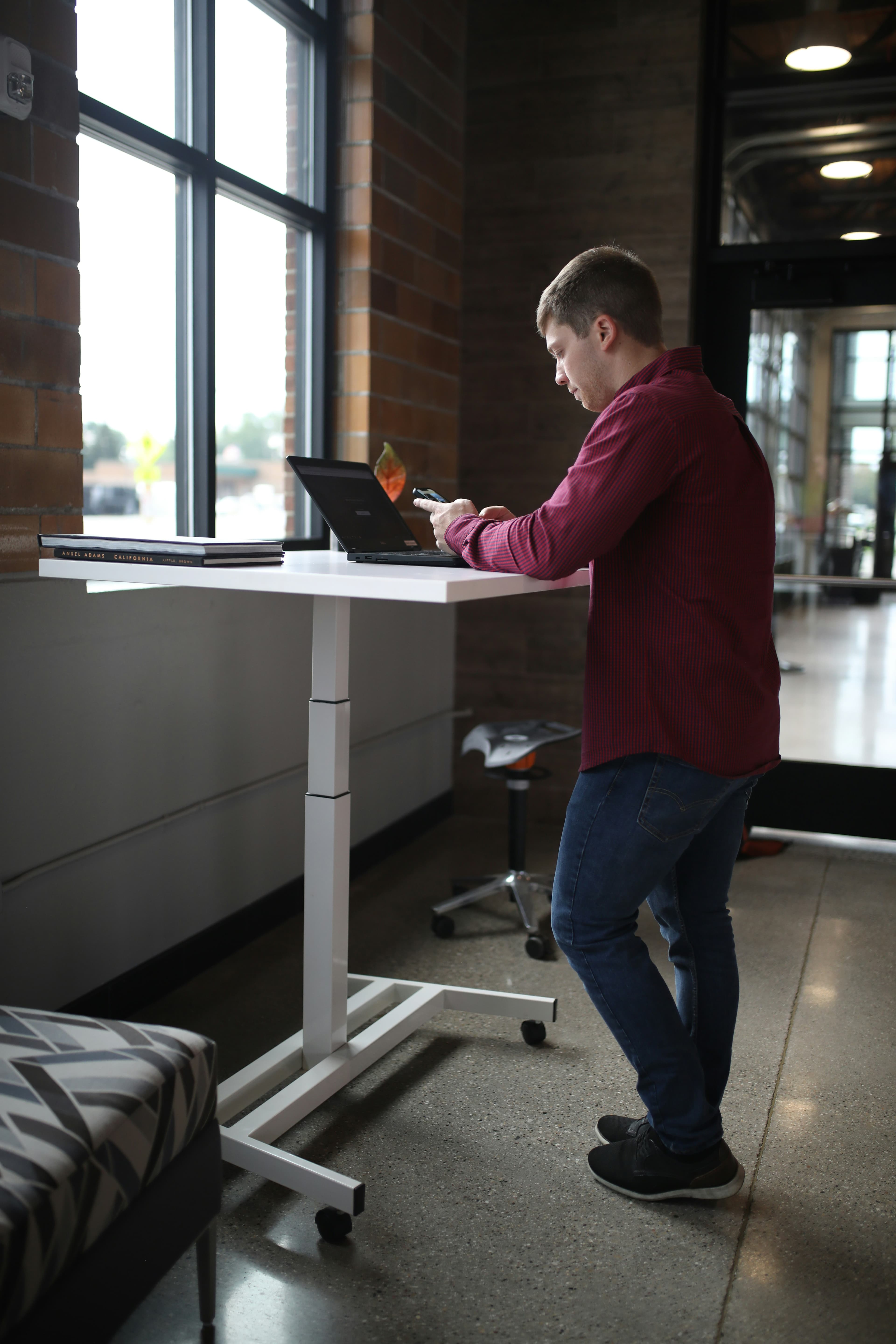
Most standing desks arrive as a flat box of parts and an afternoon of instructions. The Vari Electric is the exception: its patented quick-attach design goes from box to standing desk in about 10 to 15 minutes with no real tools, the fastest setup in the category, on a certified frame backed by a lifetime warranty. Convenience is what the roughly $829 price buys, because the hardware itself trails rivals: a 200 lb capacity that is the lowest in this group, only 5 to 7 finishes with no real customization, and a T-frame that wobbles a little at full height.
 Best Value
FlexiSpot
FlexiSpot E7
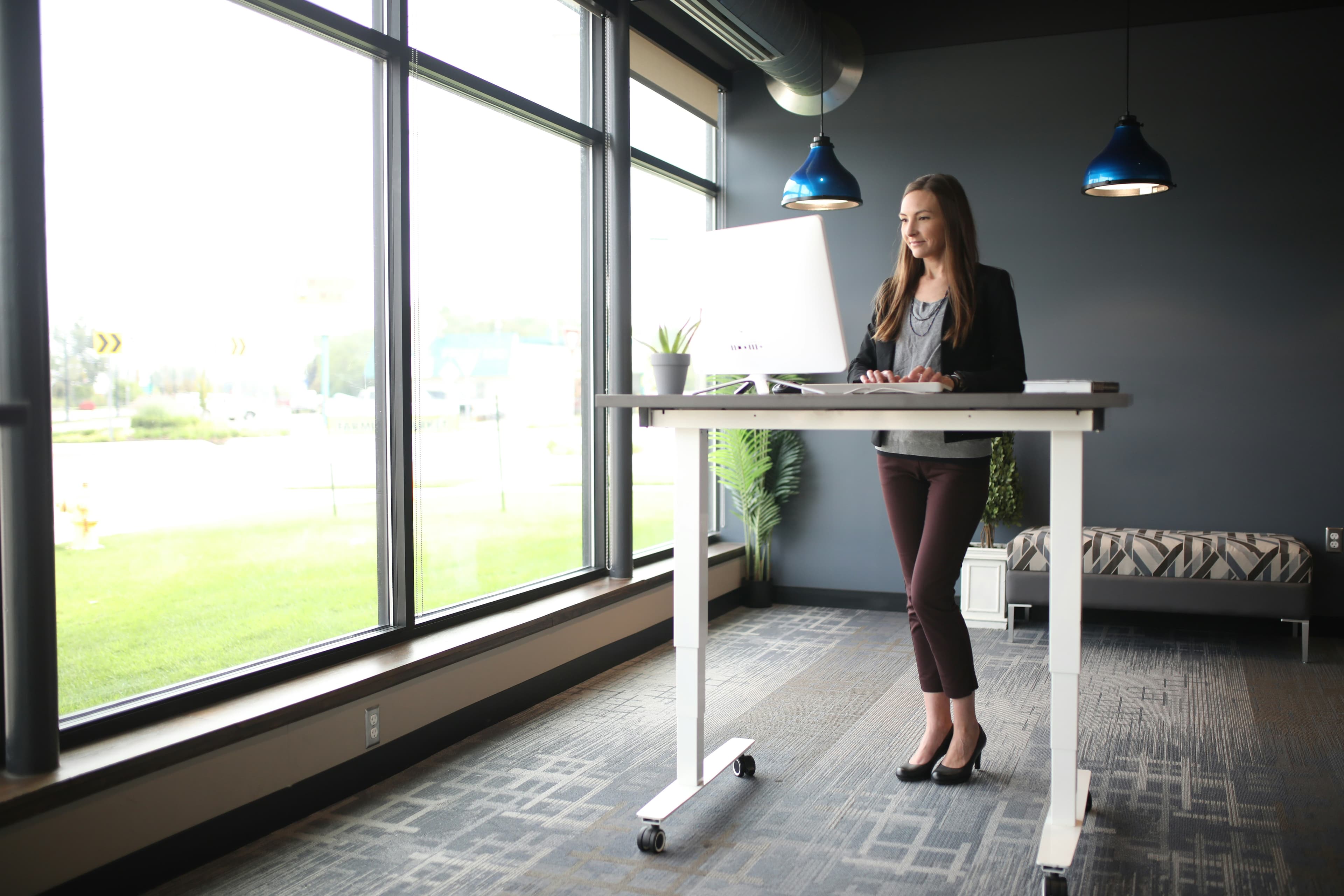
Half the money, most of the desk: that has been the E7's pitch for years, and the spec sheet backs it up. Around $369 complete buys a dual-motor, three-stage frame, a 355 lb capacity (440 on the E7 Pro), four memory presets, and a 15-year warranty that matches desks costing twice as much. The compromises are real but small: fewer desktop materials than UPLIFT, a T-frame crossbar that can catch the knees of close sitters, and a touch more wobble at full height. For most home offices this is the smart-money buy.
 Best Overall
Uplift Desk
Uplift V2 Standing Desk
Fifteen years. That is the warranty UPLIFT puts on the V2's frame, motors, and electronics, and it frames everything else about this desk: it is the one reviewers have recommended for years as the buy-once pick. You choose from more than 30 desktop materials and sizes on a quiet dual-motor frame rated to 355 lbs, and the configurator goes as deep as you want it to. The honest caveats have not changed: a 60 by 30 inch laminate build runs about $759, roughly double a comparable FlexiSpot E7, assembly is a longer project than the marketing admits, and the standard frame shows a little wobble at full height. The cross-supported V2-Commercial fixes that for a bit more.
 Best Budget
Branch
Branch Ergonomic Chair
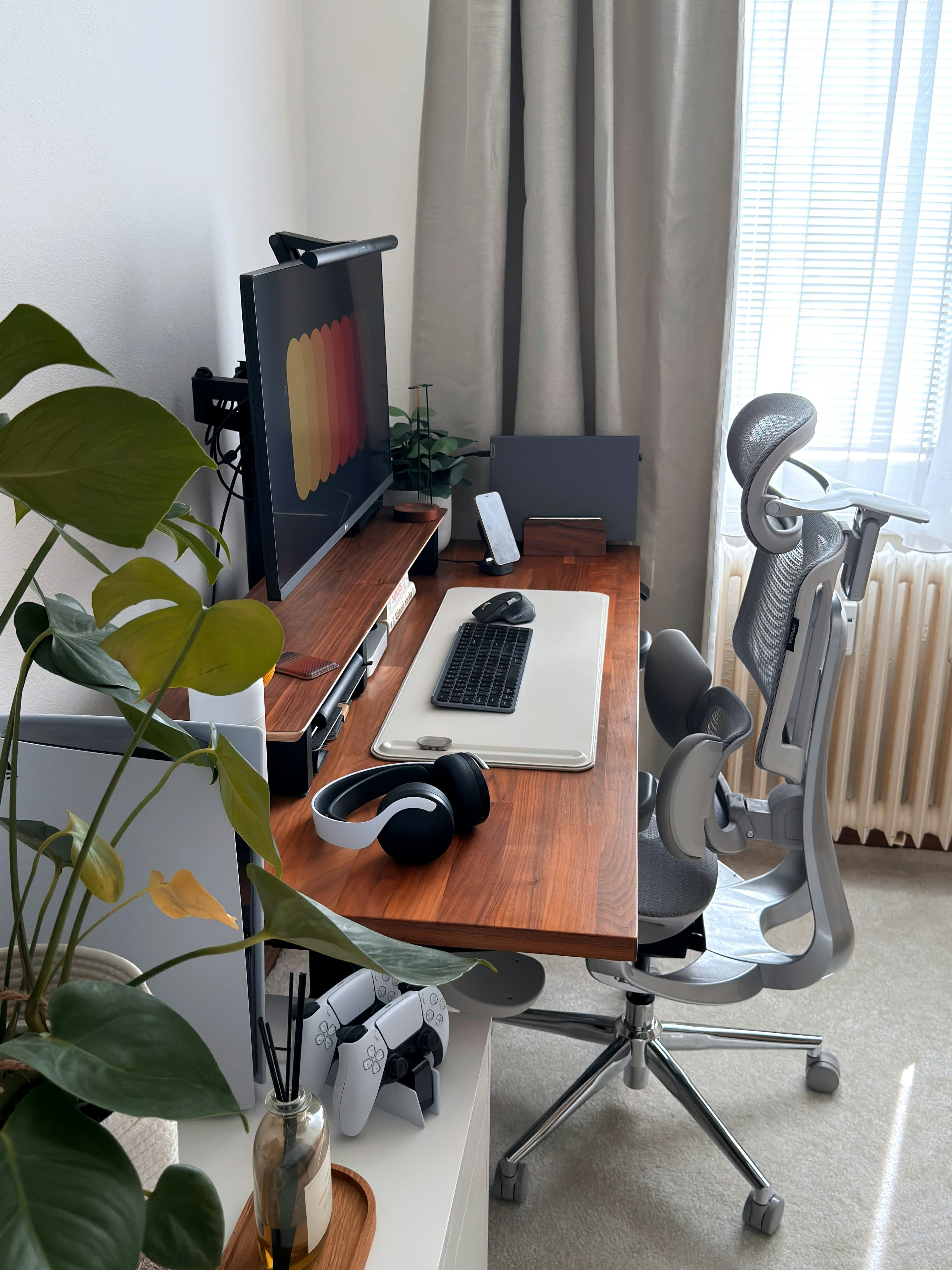
Under $400 is supposed to be where office chairs get sad. The Branch Ergonomic Chair is the exception: about $359 buys 3D arms, a seat-depth slider, a height-adjustable lumbar, and a breathable double-layer mesh back, an adjustment list you otherwise pay two to three times as much to match, and reviewers peg the package at roughly 75 to 80 percent of an Aeron's benefit for a quarter of the cost. The ceilings are honest ones. Materials and long-term track record trail Herman Miller and Steelcase, the warranty runs 7 years against their 12, and the foam seat can soften after a few years of heavy use. For most home offices, that trade reads as a bargain.
 Best for Arm Support
Steelcase
Steelcase Gesture
Watch how you actually work for an hour: keyboard, then phone, then tablet, then leaning back for a call. The Steelcase Gesture exists for that person. Its ball-and-socket arms rotate a full 360 degrees, the widest-ranging armrests on any task chair, and follow your hands from one device to the next. Wirecutter kept it as its top office-chair recommendation for the better part of a decade, and beneath the arms it is a proper Steelcase: 3D LiveBack, commercial-grade build, 12-year warranty. The catches: at around $1,499 it costs more than the more adjustable Leap V2, the lumbar curve is fixed-height (the optional add-on has a genuine complaint file), and the upholstered seat runs warmer than mesh.
 Best for Back Pain
Herman Miller
Herman Miller Embody
Buy the Embody for a reason, not a rating. The reason, almost always, is pain: the backrest and seat carry a matrix of roughly 150 individual support elements that flex with every shift, BackFit aligns the chair's curve to your spine, and owners with chronic back or neck trouble frequently report relief within days. It carries the same 12-year, no-exclusions warranty as the Aeron. What you accept in exchange: the highest price in this group ($2,255 list, sales near $1,691, and a typical configuration around $1,995), polarizing looks, thin pixelated support instead of a cushioned seat, which tailbone-sensitive sitters may not tolerate, and no height-adjustable lumbar of the kind Steelcase offers.
 Best Value
Steelcase
Steelcase Leap V2
Seven hundred dollars. That is what a remanufactured Steelcase Leap V2 routinely sells for, re-upholstered, re-cylindered, and covered by a fresh 12-year dealer warranty, and it may be the single best number in premium office seating. New at $1,399 the case is nearly as strong: the LiveBack backrest flexes with your spine, and almost everything on the chair moves (4D arms, a seat-depth slider, a lumbar tunable for height and firmness), so it fits a wider range of bodies out of the box than the Aeron. Corporate fleets have kept these in service 15-plus years. The compromises are unglamorous ones: an upholstered seat that runs warmer than mesh, and styling that says office furniture rather than design icon.
 Best Overall
Herman Miller
Herman Miller Aeron
Nobody calls the Aeron underrated. It is the chair every other office chair gets measured against, and our research keeps landing where the consensus does: for upright, all-day desk work it is still the one to beat. The 8Z Pellicle suspension mesh keeps warm sitters cool through long sessions, PostureFit SL remains one of the best lumbar-and-sacral support systems available, and the 12-year all-parts-and-labor warranty holds even under 24/7 use. On price, know what you will actually encounter: $2,150 list, frequent sales near $1,612, and a typical configuration landing around $1,795. Know the quirks too: seat depth is not adjustable (you pick size A, B, or C), the mesh is intentionally firm, and recline tops out near 113 degrees, so this is not a chair for leaning back.
Comparisons
Incline against everyday usability: the DeerRun adds motorized incline nothing else matches at the price, but the WalkingPad Z1 is the better desk-work pad and wins for most buyers.
See the breakdownThe best-for-most against the best-built: the LifeSpan is the superior machine, but the WalkingPad P1 wins for the typical home walker on value, portability, and fit for purpose.
See the breakdownA close family matchup that hinges on street price: the Z1 adds a display for less money on paper, but the P1's routine sales and longer proven record give it the narrow edge.
See the breakdownThe FlexiSpot E7 wins on hardware and value with more capacity and reach for far less money; the Vari counters with the fastest setup in the category and a lifetime warranty.
See the breakdownFor most buyers the UPLIFT V2 wins on customization, capacity, and stability. The Vari takes it only if a 15-minute, tool-free setup is the thing you care about most.
See the breakdownThe UPLIFT V2 is the better desk for customization and stability; the FlexiSpot E7 is the better buy for most people, delivering the core experience for roughly half the price.
See the breakdownThe Leap V2 takes it for most buyers on price and back tunability. The Gesture is the right call only for its 360-degree arms, and for the people who need them, it is easily worth the difference.
See the breakdownClose enough to call a split decision: the Aeron edges the all-round pick on breathability and support, and the Leap V2 wins wherever adjustability or price leads, especially remanufactured.
See the breakdownMost buyers should take the Aeron: cooler, cheaper, and easier to live with all day. The Embody wins the narrower contest, the one that matters if fixing back pain is the point.
See the breakdownIs it worth it?
Are Walking Pads Worth It?
For most remote and hybrid workers, yes, with expectations set honestly. A walking pad adds one to two hours of light, low-impact movement to tasks that do not need deep focus (calls, email, reading), and research links that habit to more daily steps, better mood, and less joint stiffness from prolonged sitting. It will not replace real exercise, and the benefit only exists if you actually step on. The two failure modes are buying too cheap (sub-$200 no-name pads carry real safety and durability problems) and buying anything without forming the habit. Spend in the roughly $300 to $450 street-price range and commit, and the purchase earns itself.
Worth It for SomeIs a LifeSpan Treadmill Worth It?
Worth it if you will use it hard; hard to justify if you will not. At roughly $1,299 the TR1200Pro is the best-built machine in its class: a 330 lb capacity, the widest deck, real joint-cushioning shocks, a whisper-quiet motor, and a 10-year frame warranty from the only US commercial brand in the category. For a permanent standing-desk workstation running all day, the durability and warranty genuinely pay off. For someone walking an hour a day who needs to fold the pad away, it is three to five times the street price of a WalkingPad for capability that sits unused: it does not fold, and it weighs 78 lbs. Match the spend to the hours.
Worth ItIs the FlexiSpot E7 Worth It?
The easiest yes in the category. Around $369 buys the FlexiSpot E7's dual-motor, three-stage frame with a 355 lb capacity, four presets, and a 15-year warranty, a feature set premium brands charge two to three times as much for. The sacrifices are marginal: some customization, premium materials, and a little stability at the very top of the range. Unless you specifically want UPLIFT's configurator or Vari's instant assembly, this is the smart-money standing desk.
Worth It for SomeAre Standing Desks Worth It?
Worth it if you will actually move it; wasted if you will not. That is the entire answer compressed, and the research supports both halves. Prolonged sitting is clearly unhealthy, and a sit-stand desk eases back discomfort and lifts subjective energy for many people, but the benefit comes from alternating positions and breaking up static sitting, not from standing all day, which brings its own aches. The evidence that standing alone burns meaningful calories or fixes posture is much weaker. Desk workers who will use the adjustability get a genuine comfort-and-movement upgrade; anyone who will set a height once and never touch the controls is buying furniture, not ergonomics.
Worth ItAre Ergonomic Office Chairs Worth It?
One word in this question does the heavy lifting, and it is not the one you would guess. 'Ergonomic' is an unregulated marketing label; any $99 chair can print it on the box. What actually pays off is adjustability and fit: seat depth, a lumbar you can position, arms that move, a backrest that follows your spine. If you sit at a desk for most of the workday, a chair with those things, from a $359 Branch to a $1,399 Steelcase Leap V2, is among the highest-return upgrades you can make, because it removes the slouching and pressure that grind on your back, neck, and shoulders across years of sitting. A chair with the sticker and no real adjustments usually is not worth anything at all.
Worth It for SomeIs the Herman Miller Aeron Worth It?
Asking is the Aeron worth it in 2026 really means asking two questions. Is it still the benchmark? Yes: nothing has displaced it for breathable, upright, all-day support, and the 12-year all-parts-and-labor warranty remains the category's strongest. Is it worth the money to you? That depends on your tolerance for a firm mesh seat, an upright-biased recline, and sizing (A, B, or C) instead of a seat-depth slider, at $2,150 list, though frequent sales near $1,612 and a typical configured price around $1,795 mean the number a buyer actually encounters sits below the sticker. Cushion lovers and adjustability maximalists should read up on the Steelcase Leap V2 before deciding.