- Hardside or softside for a checked bag?
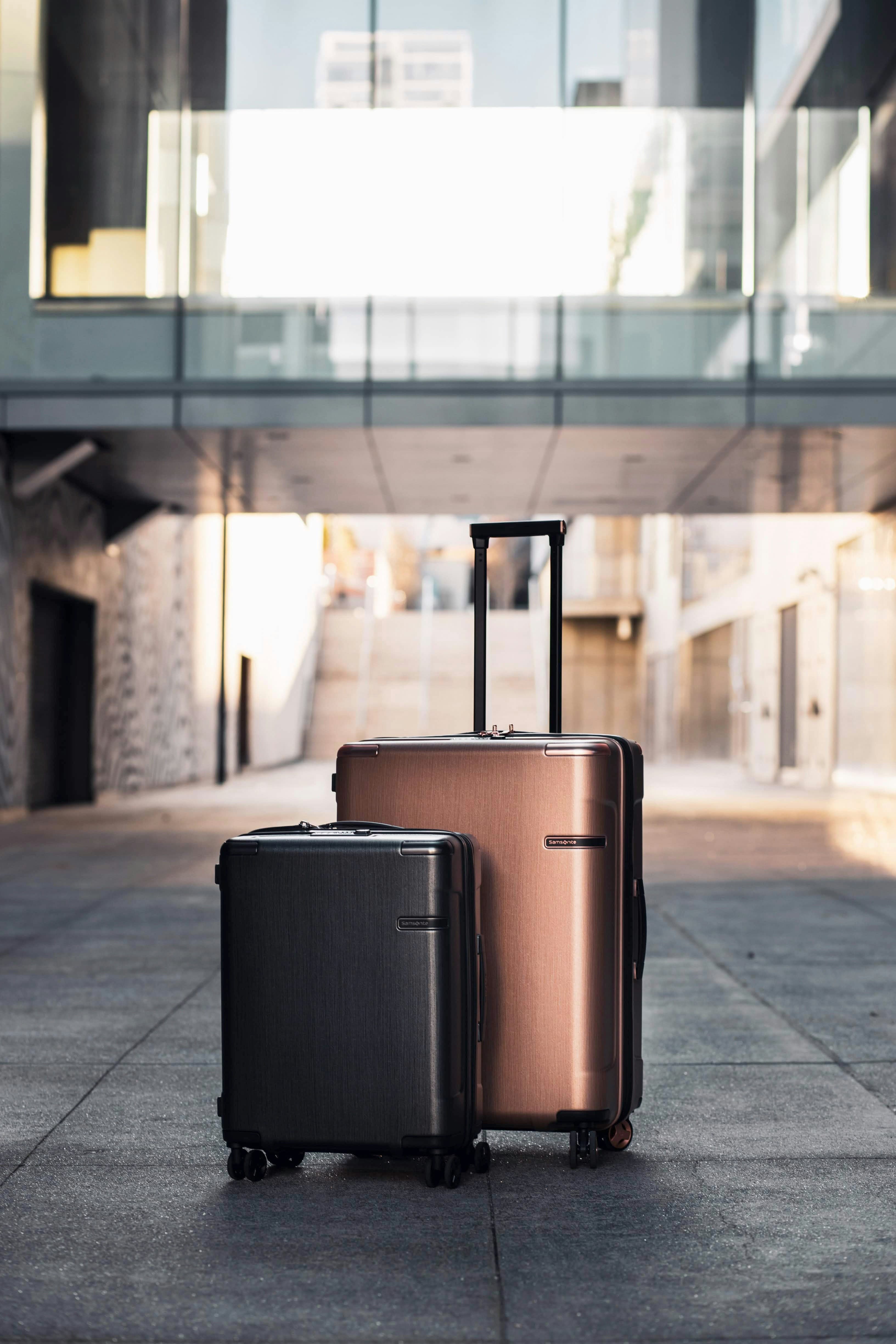
- Hardside (Away, Samsonite, Rimowa) protects fragile contents, wipes clean, and looks sharp, but scuffs cosmetically and doesn’t squeeze into tight spaces. Softside (Briggs & Riley, Travelpro) flexes into full overhead space and car trunks, adds external pockets, and the best ones are extremely durable, but fabric stains over time. For checked bags specifically, both work; choose hardside for protection and looks, softside for flexibility and expansion.
- Is an expensive suitcase actually worth it?
- Up to a point. Stepping from a bargain-bin bag to a well-built one (Away at $375, Travelpro at $485) buys meaningfully better wheels, durability, and warranties: money well spent if you travel often. But the curve flattens fast: our research found the $1,800 Rimowa is functionally outperformed by bags costing a fifth as much. Past roughly the Briggs & Riley tier, you’re paying for materials, brand, and design, not better travel.
- Why is the Briggs & Riley our top pick over the cheaper Travelpro?
- Because for a bag that gets thrown around for years, durability and warranty matter most, and the Briggs & Riley is unmatched there: its "Simple as That" guarantee repairs functional damage for life, including airline damage, with no proof of purchase. The Travelpro is the better value and our pick for frequent flyers (the best wheels, half the price), so if you don’t need the absolute best warranty, it’s the smarter buy. Both are excellent; it’s buy-it-for-life versus best value.
- What size counts as checked luggage?
- Checked bags are typically 26 to 30 inches tall and 70 to 100+ liters. Watch two airline limits: the 50-lb weight cap (heavier empty bags like the Briggs & Riley and Rimowa leave less room for clothing) and the 62-inch total linear limit (height + width + depth): some bags, like the Travelpro Platinum Elite at ~66.75 inches, exceed it and can trigger oversize fees on strict carriers.