- How do I size a chandelier for my room?
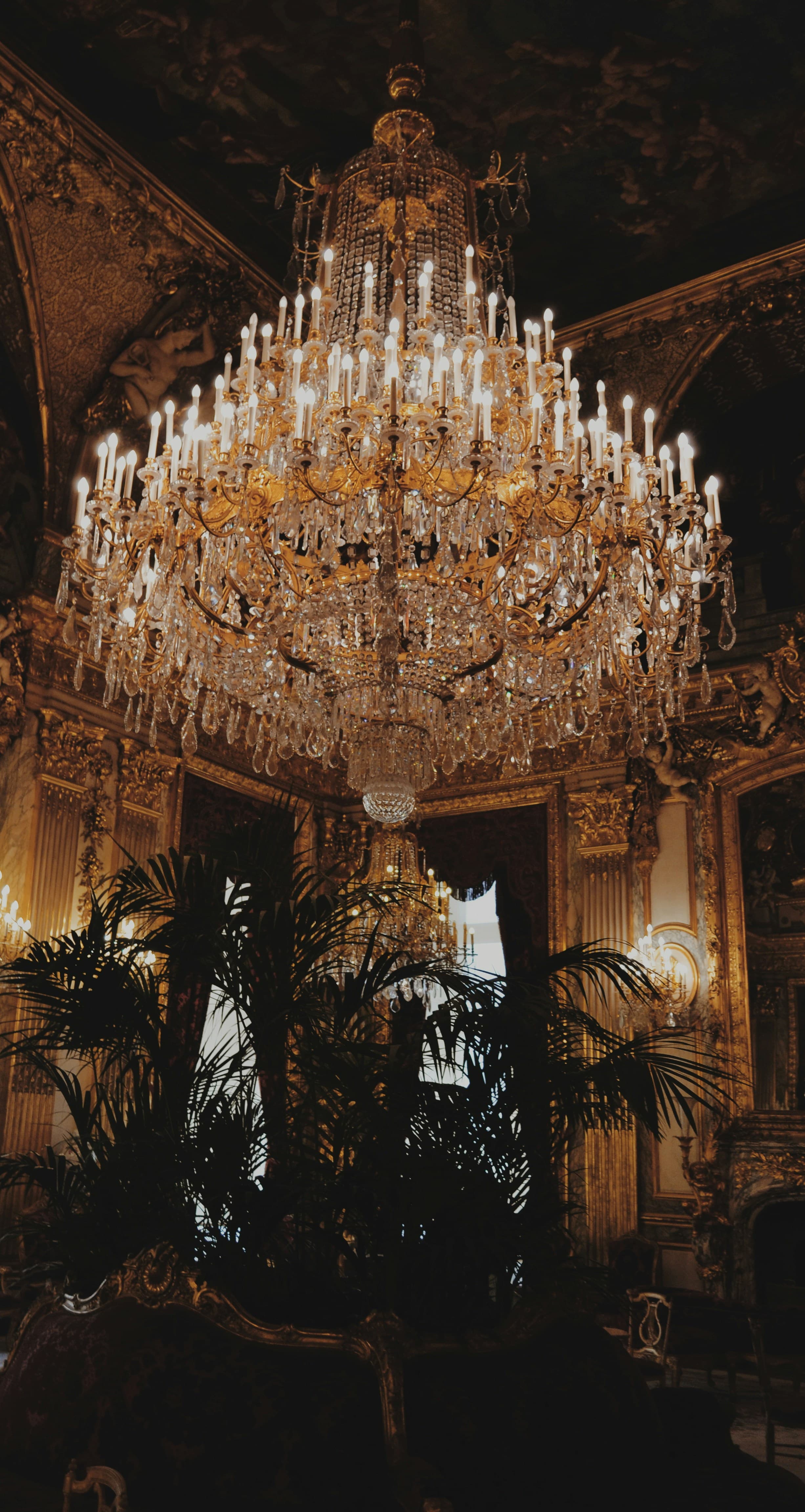
- The standard rule: add the room’s length and width in feet, and use that number in inches as the minimum fixture diameter: a 12×12 ft room wants at least a 24-inch chandelier. For a two-story foyer, size up 20 to 30% beyond that and favor a vertical or tiered design (like the Everly Quinn) so it reads from both floors. Over a dining table, aim for a fixture roughly half to two-thirds the table’s width, hung about 30 to 36 inches above the tabletop. The most common mistake is going too small: err slightly oversized, because an undersized fixture reads as cheap regardless of what it cost.
- Are expensive chandeliers worth it, or are the "look-for-less" dupes fine?
- For most rooms, the dupes are fine. The gap between a $4,500 designer Sonneman and a $200 to $700 Wayfair house-brand fixture is not proportional to how a typical dining room actually experiences it: design coverage consistently finds that scale, a timeless finish (brass, matte black, nickel), and a warm dimmable bulb do more visual work than raw fixture cost. The real exception is a large, architecturally central fixture in a high-end renovation, where build quality, light engineering, and pedigree start to matter over a decade-plus. For everyday rooms and standard foyers, a well-chosen house-brand fixture is the rational choice.
- Sputnik, crystal, or linear, which style should I choose?
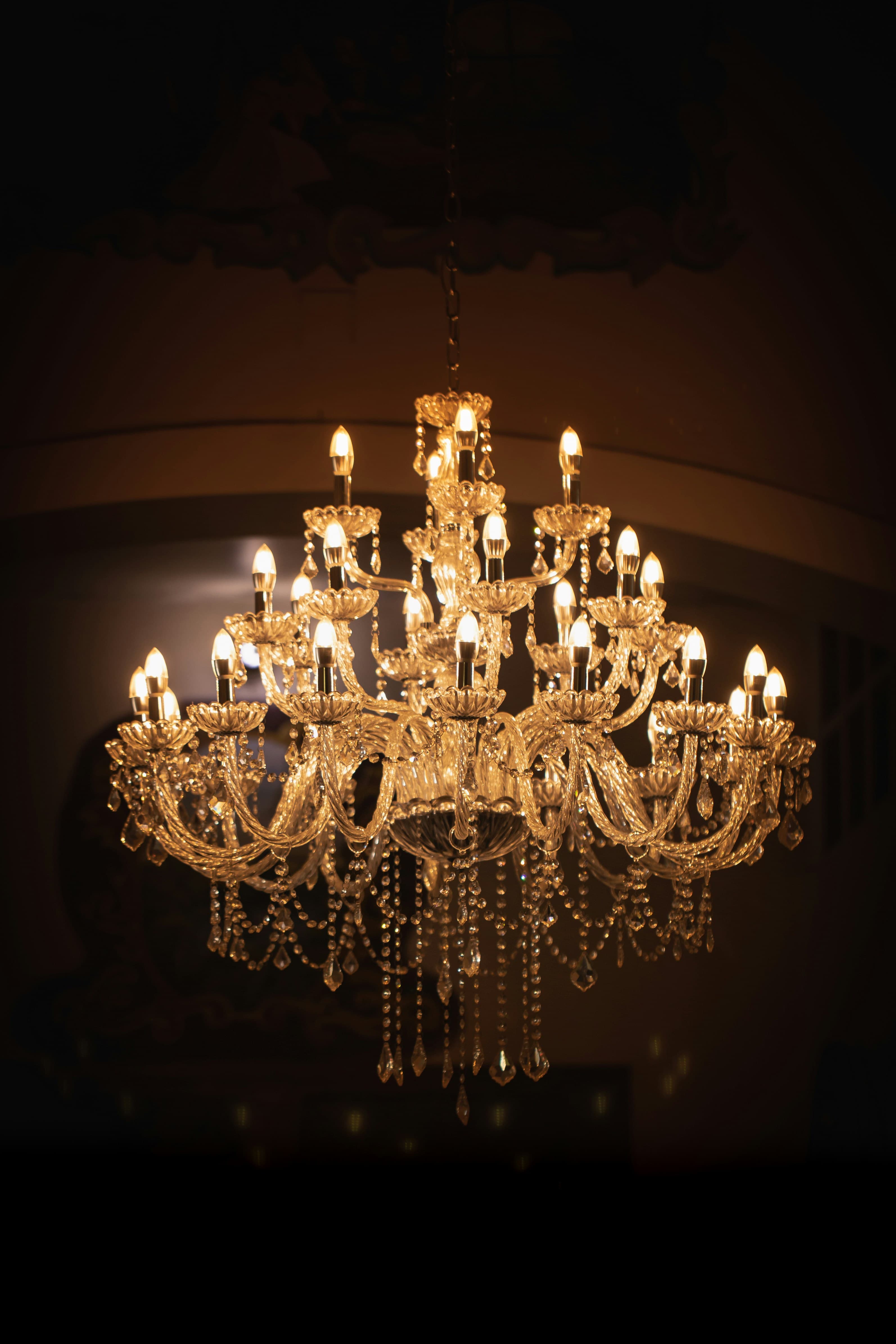
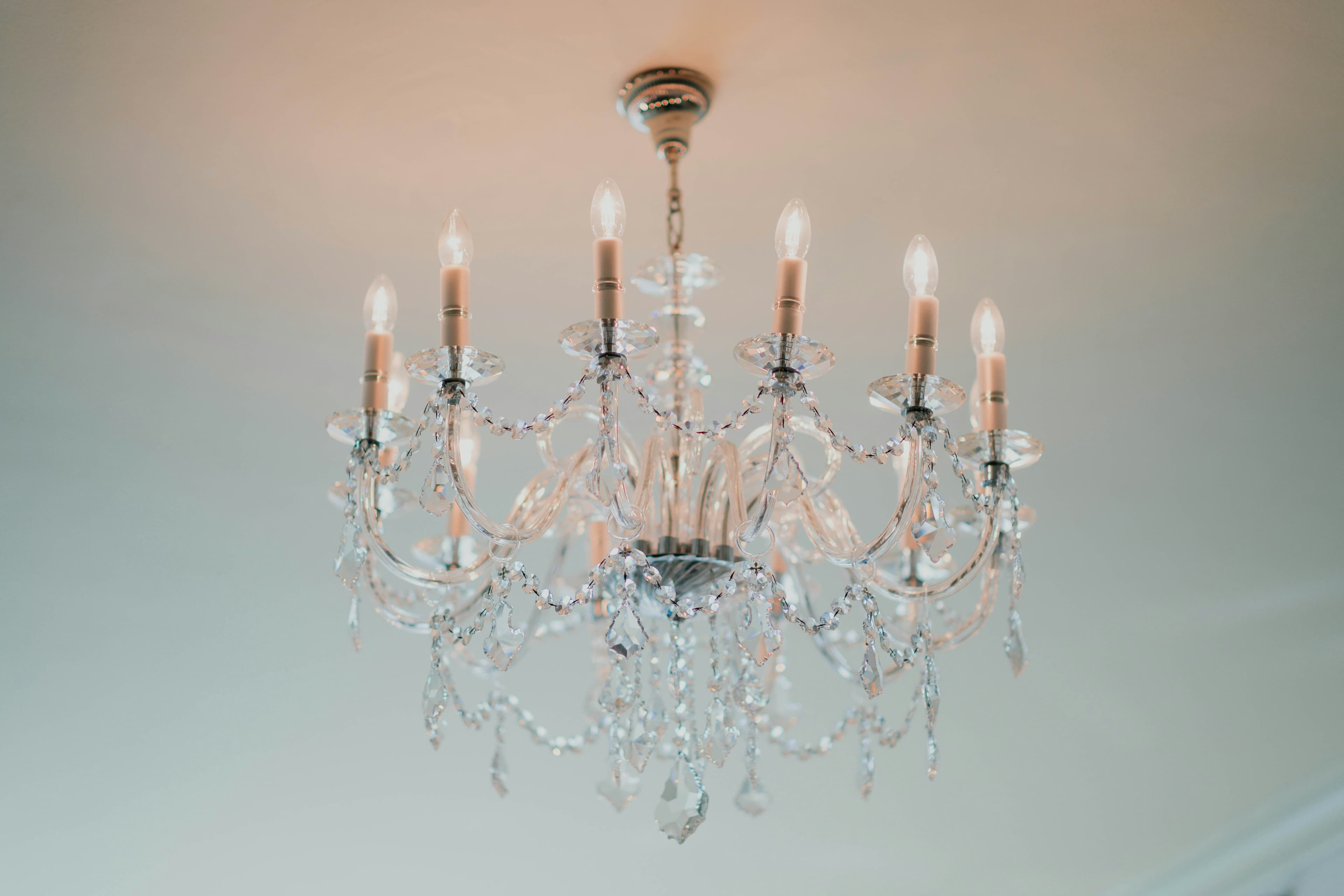
- It’s mostly about your decor, not quality. Sputnik (Mercury Row) reads mid-century and modern, and suits transitional-to-contemporary homes. Crystal (Willa Arlo, Everly Quinn) reads traditional and glam, and suits classic or elevated interiors. Linear/rectangular (Corrigan) is purpose-built for long dining tables and kitchen islands, where a round fixture leaves the ends dark. Match the silhouette to the room and the fixture to the space; within each style, our picks cover the best value option.
- Integrated LED or standard bulbs: does it matter?
- It’s a real trade-off. Integrated LED (the Sonneman) gives the best, most consistent light quality with no bulb-matching or dimmer-compatibility guesswork. But when the light engine eventually dims, you service or replace the whole fixture rather than swapping a cheap bulb. Bulb-based fixtures (the crystal and sputnik picks here) let you choose warm vs. cool color, dim easily, and replace a $5 bulb for years. For a primary, decades-long fixture where longevity and easy repair matter most, bulb-based is often the safer long-term bet, provided you confirm the fixture’s dimmer compatibility.