Your Fire Pit Died of Smoke. These 5 Buys Bring It Back.
Updated July 2026
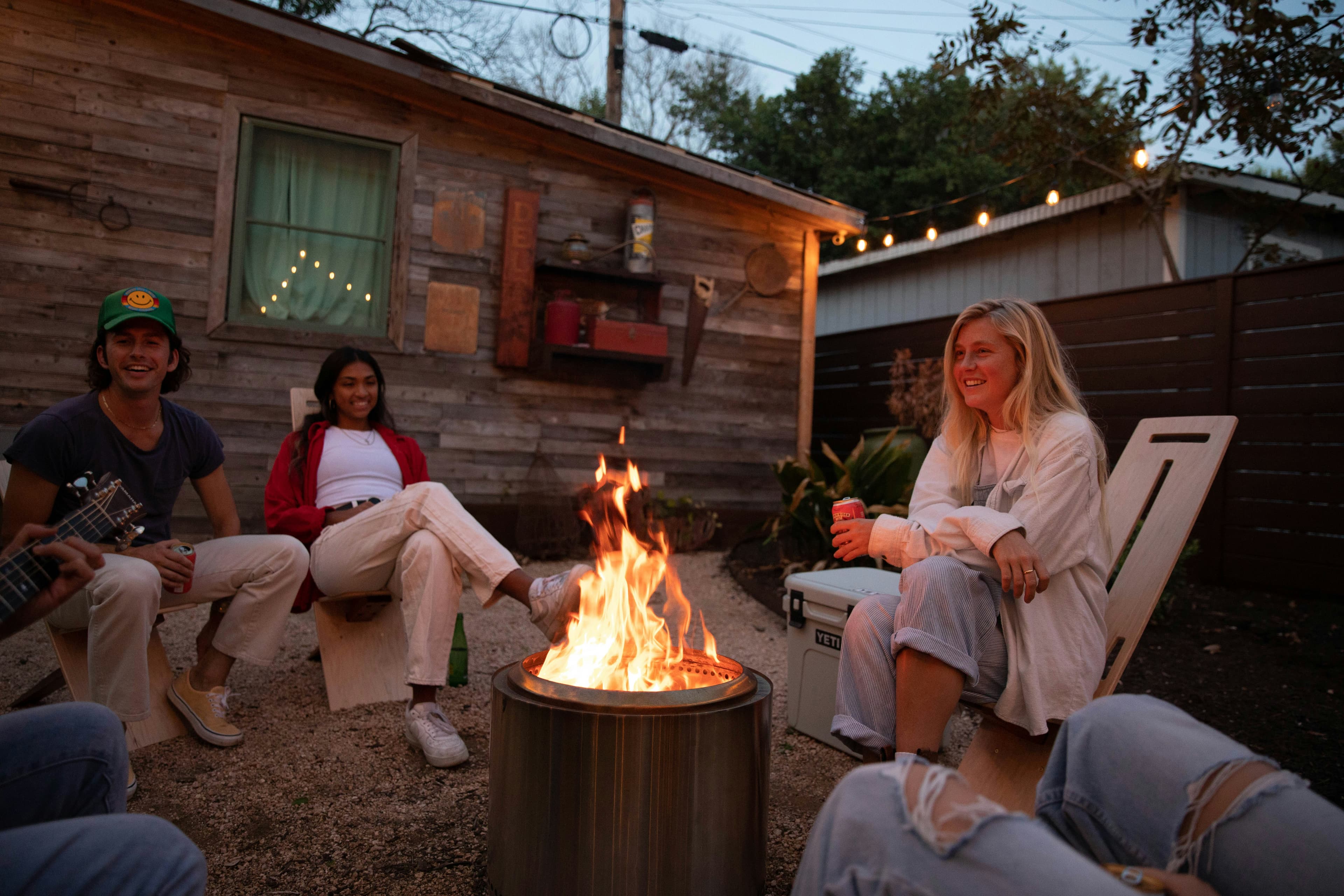
Most fire pits get used twice, then spend the rest of their lives as yard sculpture, and the cause of death is almost always smoke. It chases people around the circle, it soaks into everyone's clothes, and after the second night of that, nobody suggests a fire again. Solve the smoke and the fire pit corner becomes the highest return square footage in the backyard: it stretches the evening, stretches the season, and quietly becomes where everyone ends up. The internet answers this problem with mood boards about stone cladding and curved seating walls. We are answering it with equipment: the fire itself, wood or gas, plus the pieces around it that decide whether the corner gets used every week or twice a summer.
We may earn a commission when you buy through links on this page. It never affects our scores or picks. How we make money.
1 of 5
Solo Stove Bonfire 2.0
7.3
The default answer, and our Editor's Choice among smokeless pits. Once the fire gets hot, the double wall airflow genuinely burns off most of the smoke. It weighs twenty pounds, so it follows the evening around the yard, and at around $300 it is the cheapest good decision on this page. Buy the cover. Damp climates will find bare stainless every single time.
The upgrade for people who want dinner involved. Quarter inch corten steel, a lifetime warranty, and a sear ring that turns the pit into a live fire cooktop, which changes what a fire night even is. It is heavy on purpose and it will patina instead of shine. Our research pick for the buy once backyard.
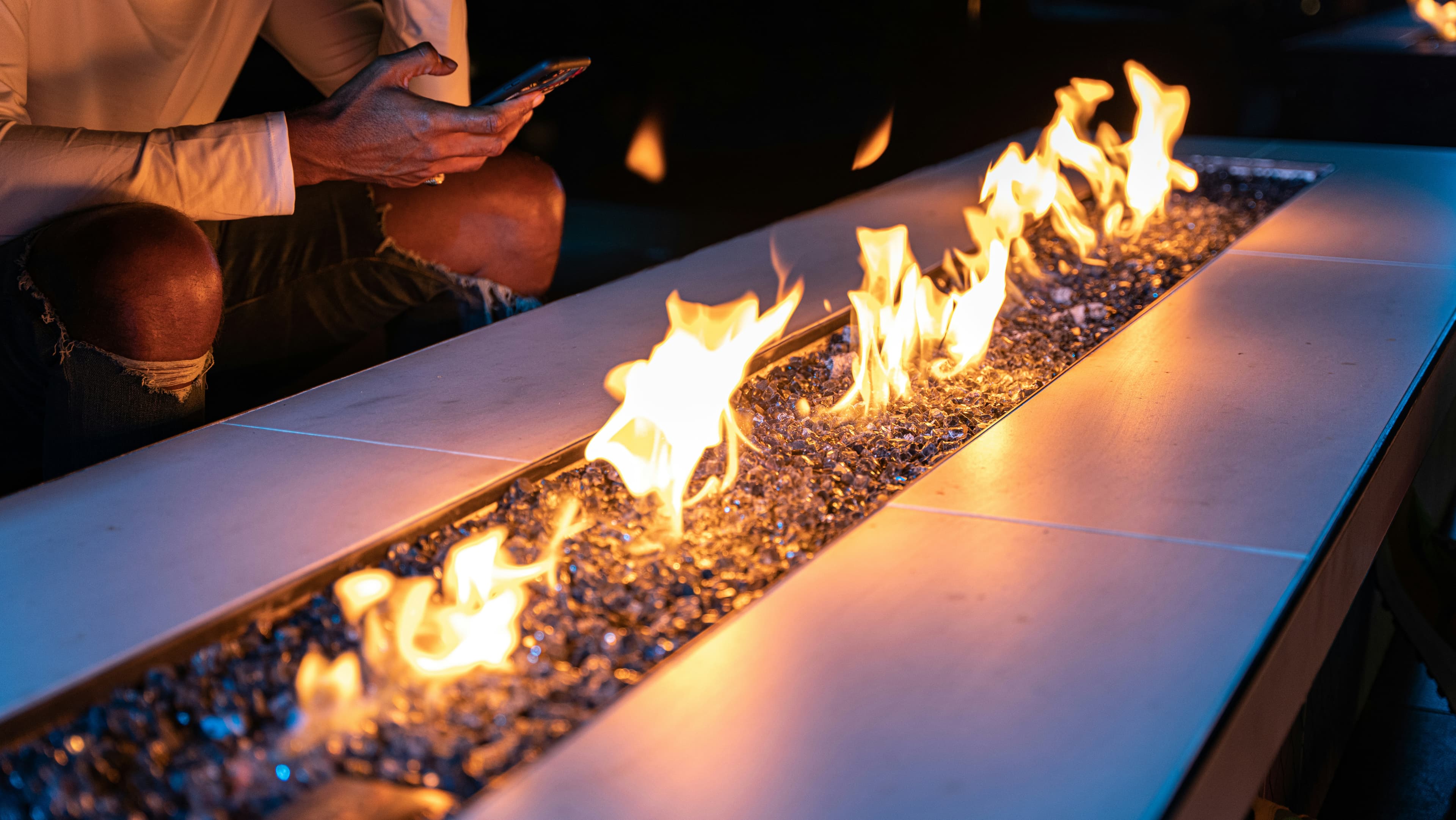
The gas answer. No smoke, no sparks, no wood pile, lit and out with the turn of a knob, and legal on plenty of patios where wood fires are not. The Sedona's cast concrete build was the sturdiest of the fire tables in our research. The honest trade is ambiance for convenience: less campfire, more fireplace. For a lot of households, that trade is the whole point.
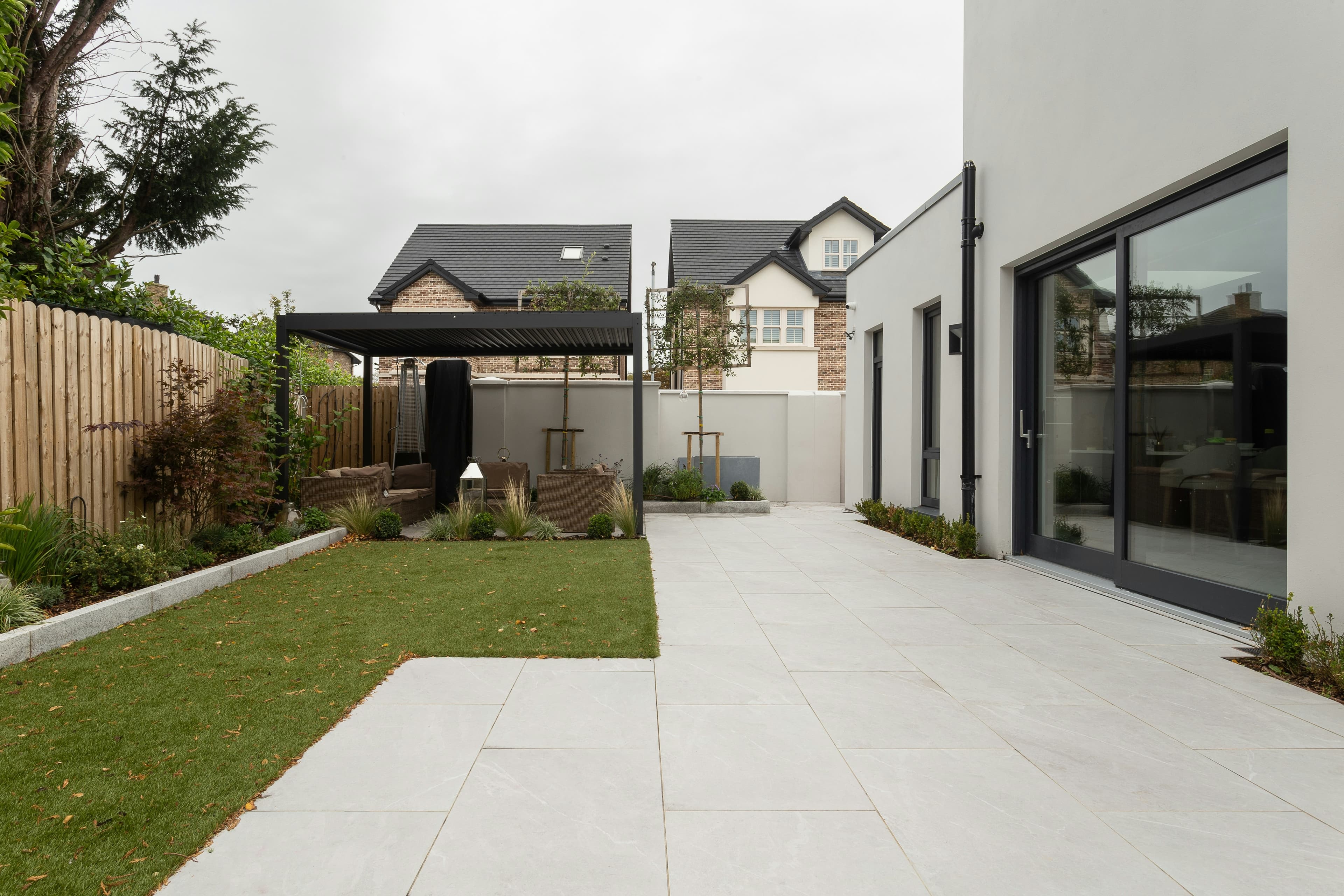
The daytime shift of the same corner. A fire pit earns its keep at night; a pergola over the adjacent seating makes the space livable at 3pm in July, and the Yamba was the value pick of our pergola research. Site it beside the fire, never over an open flame, and the corner starts working around the clock.
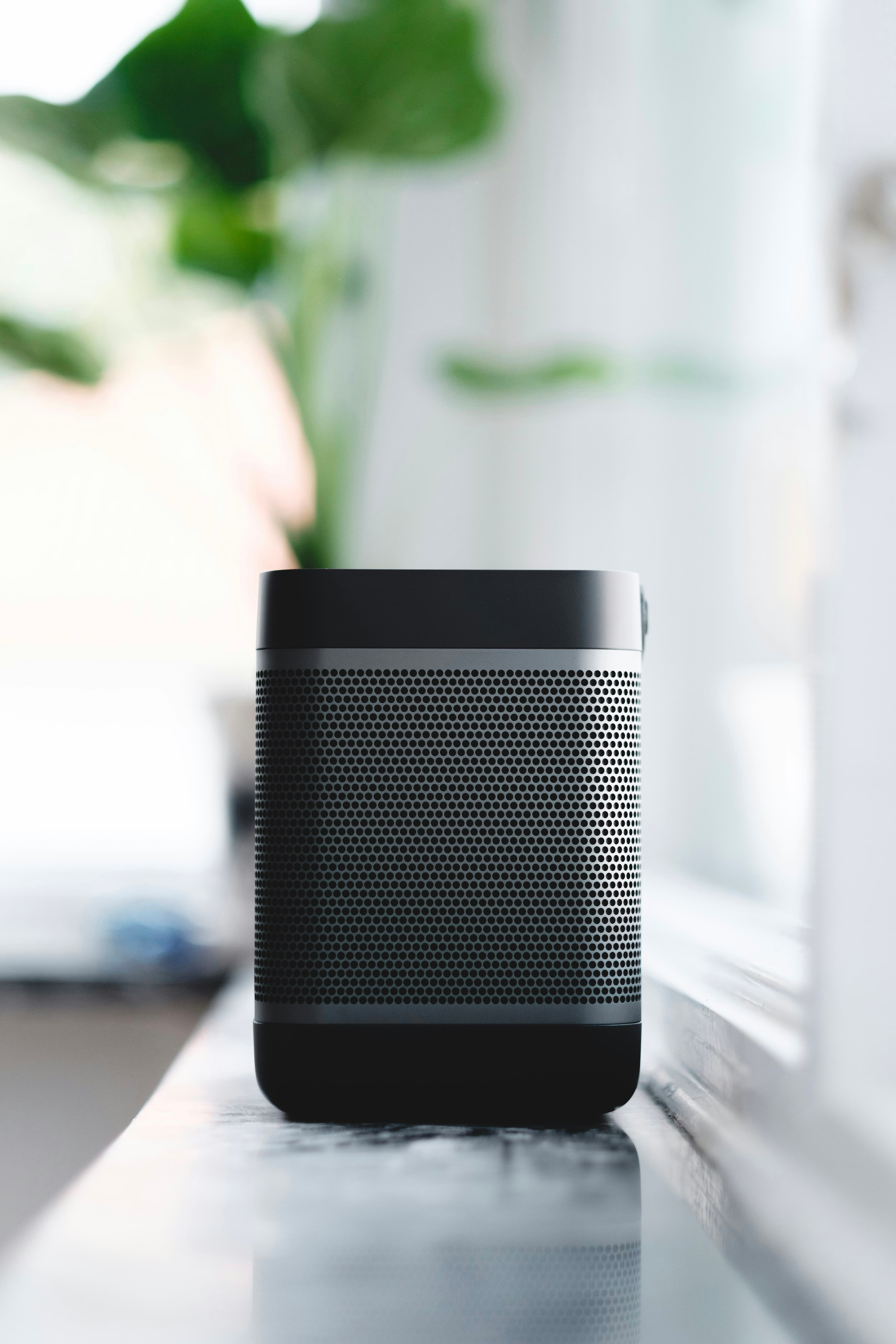
The soundtrack, handled. Our top scoring outdoor speaker brings real bass, an IP56 rating that shrugs at weather, and a battery that outlasts the fire. One Move 2 at conversation volume covers the whole seating circle without broadcasting the party to the entire street. That is precisely the right amount of speaker for a fire pit.
It is a ritual versus friction decision. Wood gives you the smell, the crackle, and the cooking option, and charges you in hauled logs, fire tending, and ash cleanup. Gas gives you fire at the turn of a knob and is often the only legal option on decks and in HOA neighborhoods. Our research take: people overestimate how much they will enjoy tending a fire in week thirty. Not sure? Gas gets used more.
Do smokeless fire pits actually work?
Mostly yes, with two honest caveats from our research. The secondary combustion needs a hot fire to kick in, so the first fifteen minutes still smoke, and wet wood defeats the design entirely. Once hot, burning dry hardwood, the difference over an open ring is dramatic. One more trade: the same airflow that removes the smoke sends heat upward, so a smokeless pit warms a circle less than an open fire does.