Your Home Office Is Hurting You. These 5 Buys Make It Stop.
Updated July 2026
That $150 chair you panic bought in 2020 has been billing your spine the difference ever since. Search for home office ideas and the internet hands you a mood board: sage green walls, a plant, a pegboard, and a desk link from whichever retailer wrote the article. Nobody names the equipment that decides whether your back hurts in five years. We will. Five pieces we researched in depth for a full day of real work, ranked by how much each one matters: chair first, desk second, everything else a refinement. And run the budget math honestly. The chair and desk here carry 12 and 15 year warranties, so the comparison is not against a cheaper setup. It is against buying that cheaper setup three times.
We may earn a commission when you buy through links on this page. It never affects our scores or picks. How we make money.
1 of 5
Herman Miller Aeron
9.0
The chair you buy once, and then stop having opinions about chairs. Our 9.0 review found the research consensus almost embarrassingly one sided: nearly thirty years after launch, the Aeron is still the ergonomic benchmark, with a 12 year warranty and a refurb market so healthy it tells you everything about how long these last. Sit in one first to pick your size. Then you are done.
The other correct answer. The Leap V2 scored 8.9 in our research, a tenth behind the Aeron, with more granular controls and a friendlier price on the refurbished market. If you want adjustability instead of mesh, this is your chair. Between these two there is no wrong pick, only a preference for how a chair should feel.
Our top scoring desk at 9.0, and the reason is boring in the best way: it stays stable at standing height where cheaper desks wobble like a nervous intern. The 15 year warranty is the longest in the category, and the accessory ecosystem means the desk grows with your setup instead of getting replaced by it. Tall? The commercial grade frame is worth the upcharge.
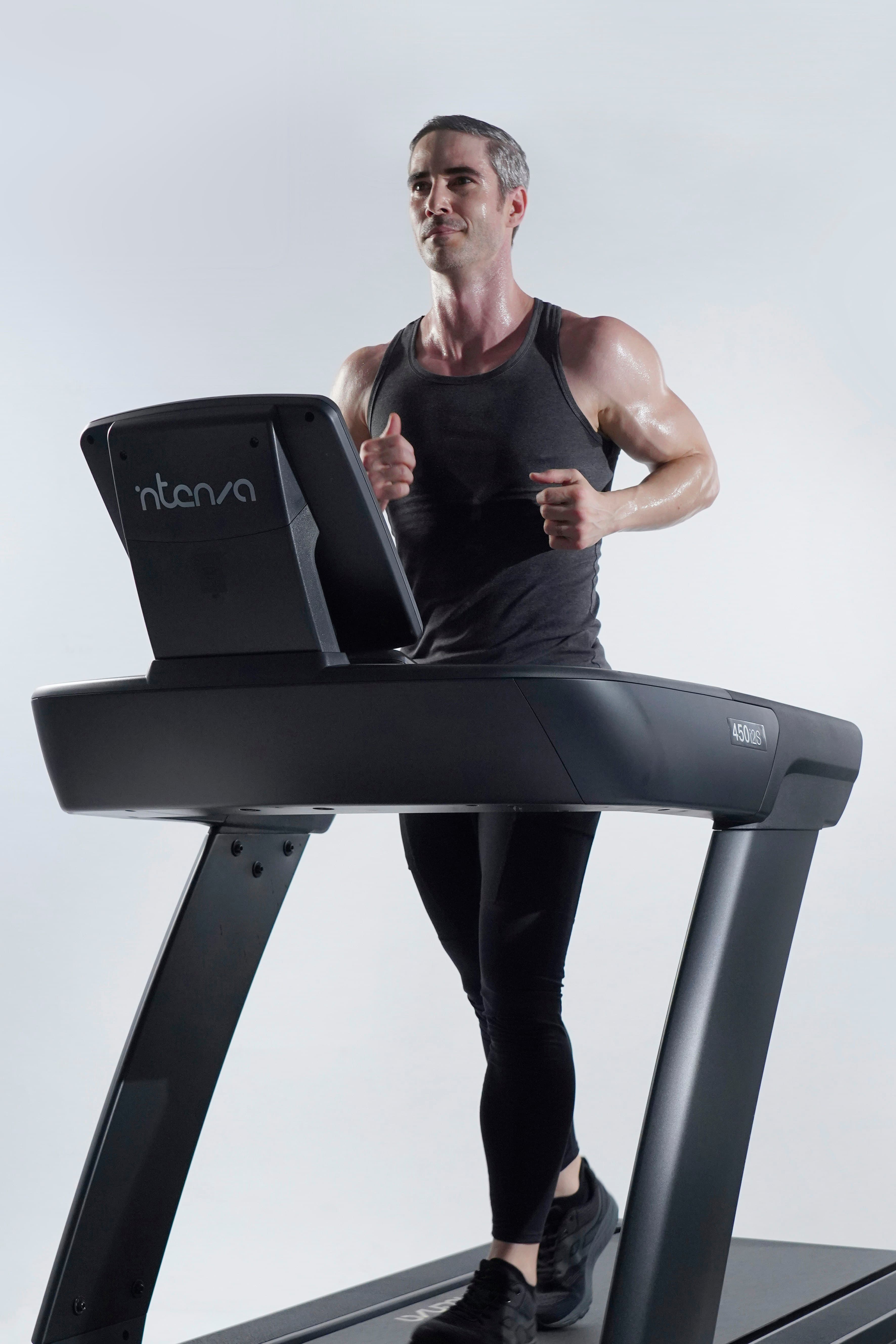
The thing nobody owned five years ago and nobody who owns one will stop talking about. A walking pad turns email hours into three or four easy miles, and the P1 took our Editor's Choice because it folds flat enough to slide under a sofa and costs less than half of what the overbuilt options run. One rule: pair it with a standing desk or skip it entirely.
Not a luxury spec. The best noise cancelling we have researched is the difference between a focused call and apologizing for the lawnmower next door. The XM6 scored 7.7 with class leading cancellation and thirty hours of battery, and it signals do not disturb to the rest of the house better than any closed door ever has.
The chair. No hesitation. It is the only piece in contact with you for every working hour, and the gap between a real ergonomic chair and a $150 one shows up in your back within months. The desk comes second, and it only needs to be a standing desk if you will actually stand. Everything after that is quality of life, not health.
Is a walking pad better than a standing desk?
Different problems, best solved together. A standing desk changes your posture; a walking pad adds movement, and the research suggests movement matters more. But a walking pad requires a desk at standing height, so the desk comes first. If you can only buy one and you already move enough during the day, skip both before you skip the chair.
Why is there no monitor or keyboard here?
On purpose. Monitors and keyboards are review saturated categories where the big tech sites publish lab measurements we cannot match, so we stay out of that fight. Our lane is the durable, ergonomic, warranty backed equipment where research depth beats a spec sheet. That is exactly what this edit covers.