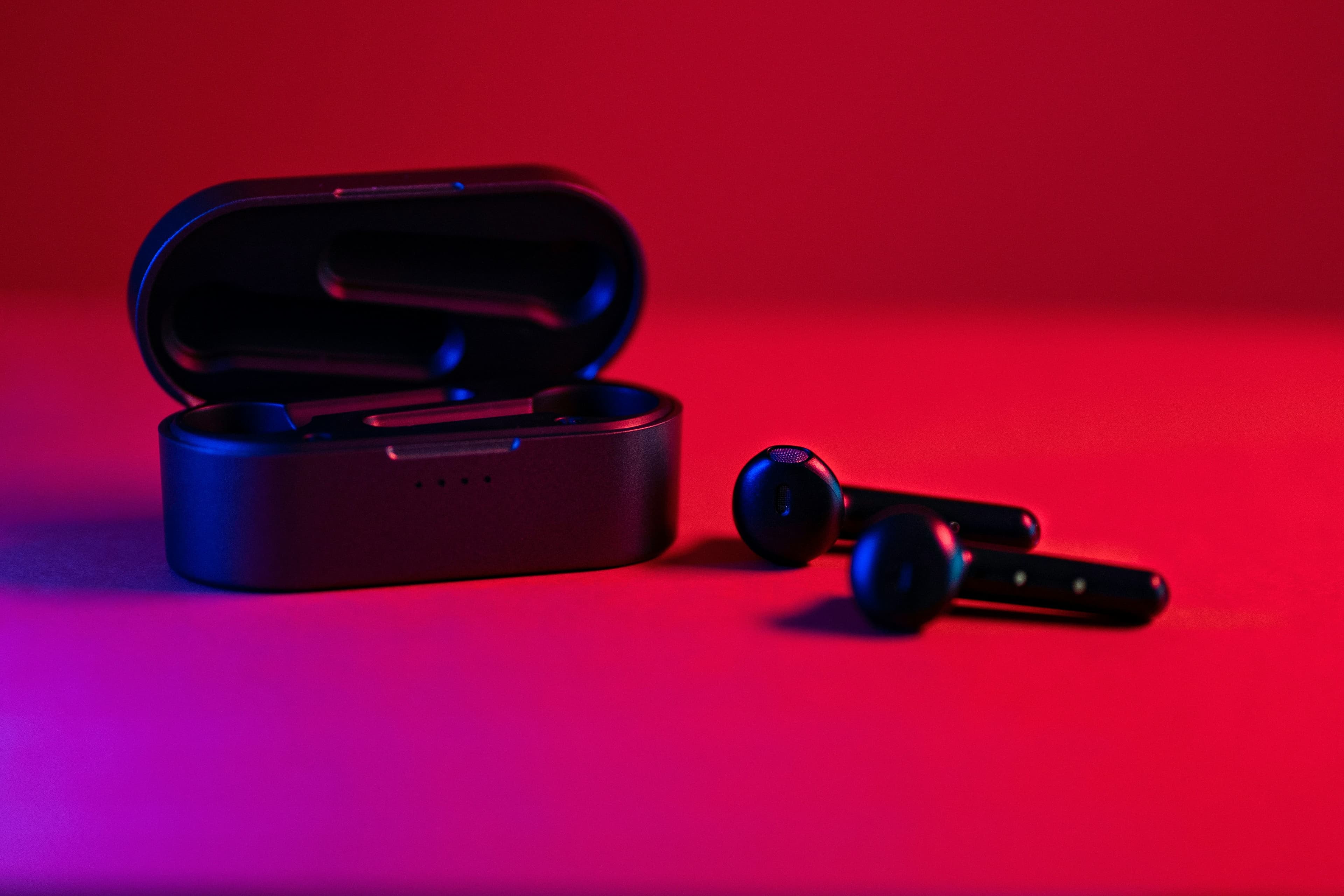
Pros
- Natural, audiophile-grade sound from the 10mm magnetic-fluid driver, with LDAC hi-res
- Class-leading call quality: 6-mic Voice Focus AI is the best of any premium earbud for noise isolation
- Rare three-device multipoint: genuinely useful for phone + laptop + tablet workflows
- Best battery life here (10 hrs ANC on) plus Qi wireless charging and head-tracking spatial audio
Cons
- Noise cancellation is very good but a step behind the Sony and Bose at the ceiling
- Smaller brand presence and US service network than Sony, Bose, or Apple
- Stock ear tips can shift over long sessions; fit can be loose for smaller ears
- Three-device multipoint drops to two when streaming at full LDAC resolution
Specifications
- Driver
- 10mm magnetic-fluid driver (signature)
- Codecs
- LDAC (hi-res), LC3, AAC, SBC; no aptX
- Battery
- 10 hrs ANC on; 28 hrs total with case (7 hrs LDAC+ANC)
- Noise cancelling
- Adaptive digital hybrid: very good, just behind class leaders
- Multipoint
- 3 devices simultaneously (2 when LDAC 990 kbps), standout
- Calls
- 6-mic Voice Focus AI: class-leading mic noise suppression
- Water resistance
- IPX4; Qi wireless charging
- Warranty
- 1-year parts & labor (90-day accessories)
Performance
If you searched for the best wireless earbuds for calls, this is where that search ends: the six-mic Voice Focus AI system delivers the cleanest outgoing call audio in the class, a concrete reason to pick the AZ100 over flashier rivals. The magnetic-fluid driver backs it with sound our research consistently found ranked among the best in true wireless; SoundGuys thought the default tuning was slightly odd but reckoned most non-audiophiles would never mind, and LDAC brings hi-res to Android. Add three-device multipoint, rare at any price (it drops to two devices at full LDAC resolution), plus 10 hours per charge, and the AZ100 is the strongest multitasker of the group. Raw ANC is the single concession: very effective on planes and trains, a narrow step behind Sony and Bose at their peak.
Build Quality
Lighter than the well-regarded AZ80 it replaces, IPX4 splash-resistant, Qi wireless charging, and no failure patterns in owner reports since the 2025 launch. Two practical notes keep the assessment honest. The stock silicone tips can work loose over a long session, an annoyance that aftermarket tips fix, and Technics support runs through Panasonic, established but thinner on the ground in the US than Sony, Bose, or Apple. The sealed battery caps lifespan at a few strong years, the same ceiling as every rival on this page.
Value Assessment
$220 to $249 is what the AZ100 actually costs most weeks, against a $299 sticker, and at that money it reads like a bargain: audiophile sound, the best mics in the class, three-way multipoint, and the longest battery here, for less than Sony's list price. The trade is a sliver of ANC and big-brand service reassurance, in exchange for genuine differentiation none of the big three fully match. For the call-heavy professional or the multi-device worker, our research says this is the most earbud per dollar in the premium tier.
What Owners Say
“The Technics EAH-AZ100 has an odd sound, but most non-audiophiles will be perfectly fine with it.”
“Sound is superb and I really like how you can customize controls and EQ with their app.”
Verbatim owner and reviewer comments gathered during our research, linked to where we found them. They are not our words, which is the point.
Who Should Buy It
Three buyers, really: audiophiles chasing the most natural sound, professionals hunting the earbuds with the best mic for constant calls, and multi-device users who will actually work the phone-laptop-tablet multipoint. Android owners unlock the extra LDAC headroom.
Who Should Skip It
If maximum noise cancellation is the whole assignment, the Sony or Bose block a little more. Deep iPhone households will get more from the AirPods Pro 3, and buyers who want the largest support network standing behind the purchase should weigh the big three first.
Final Recommendation
Best for Calls and Multitasking undersells it slightly, because the AZ100 is also the sleeper audiophile pick and the battery champion of the group. The sharper way to put the call: if your earbuds spend more hours in meetings than on music, buy these and stop reading. If they spend more hours drowning out a jet engine, put the difference toward the Sony.