Are Ergonomic Office Chairs Worth It?
Updated June 2026
Short answer: Worth It
One word in this question does the heavy lifting, and it is not the one you would guess. 'Ergonomic' is an unregulated marketing label; any $99 chair can print it on the box. What actually pays off is adjustability and fit: seat depth, a lumbar you can position, arms that move, a backrest that follows your spine. If you sit at a desk for most of the workday, a chair with those things, from a $359 Branch to a $1,399 Steelcase Leap V2, is among the highest-return upgrades you can make, because it removes the slouching and pressure that grind on your back, neck, and shoulders across years of sitting. A chair with the sticker and no real adjustments usually is not worth anything at all.
We may earn a commission when you buy through links on this page. It never affects our scores or picks. How we make money.
Price breakdown
Three tiers matter. Premium new runs roughly $1,400 to $2,000 and up: the Steelcase Leap V2 at $1,399, the Herman Miller Aeron at $2,150 list but frequently on sale near $1,612 (typically about $1,795 configured), and the Embody at $2,255 list with sales near $1,691 (typically about $1,995). The value tier delivers genuine adjustability for far less, with the Branch Ergonomic Chair at about $359. Then there is the tier people forget: remanufactured. Because corporations bought chairs like the Leap by the millions, refurbishers sell re-upholstered, re-cylindered units around $700 with 12-year dealer warranties, often the best value path of all.
Performance benefits
The benefit is not a feeling on day one; it is what stops accumulating over thousands of hours. A chair set to your body, depth right, lumbar where your spine wants it, arms under your forearms, keeps you supported without conscious effort, and over a working year that is the difference between ending days sore and forgetting the chair exists. Premium models add breathable materials, larger weight capacities, and smoother mechanisms, but the core health benefit, real adjustability, is available at the value tier too. That is the test to buy on, not the price tag or the label.
Longevity
Run the cost per year and premium chairs start explaining themselves. Herman Miller and Steelcase warranty their chairs for 12 years, and the chairs routinely outlive the coverage: corporate Leap V2s from over a decade ago are still in daily service, which is exactly why the used market is so deep. A $1,400 chair over 15 years is under $100 a year before resale value lowers it further. Value chairs run shorter: the Branch's 7-year warranty is strong for its tier, but its foam seat can soften after two or three years of heavy use, so heavy daily sitters get better math from the premium tier or a $700 remanufactured Leap.
Alternatives to consider
- Steelcase Leap V2
The value sweet spot: maximum adjustability new, and arguably the best ergonomic chair per dollar bought remanufactured (~$700).
8.9 - Herman Miller Aeron
The breathable, support-first benchmark for all-day sitters who run warm and want the iconic build.
9.0 - Branch Ergonomic Chair
Proof you don’t need four figures: genuine adjustability and a mesh back for around $359.
7.0
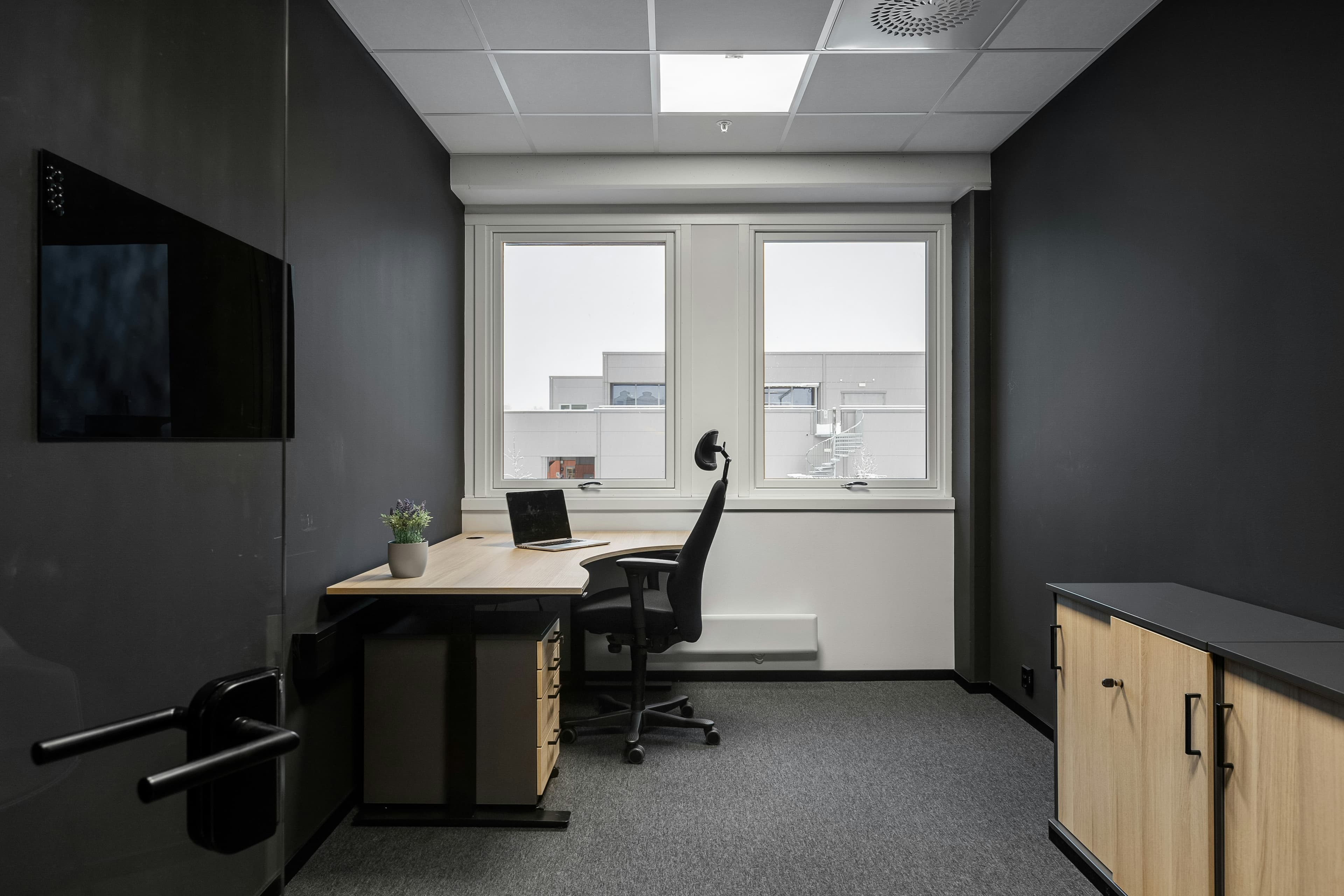
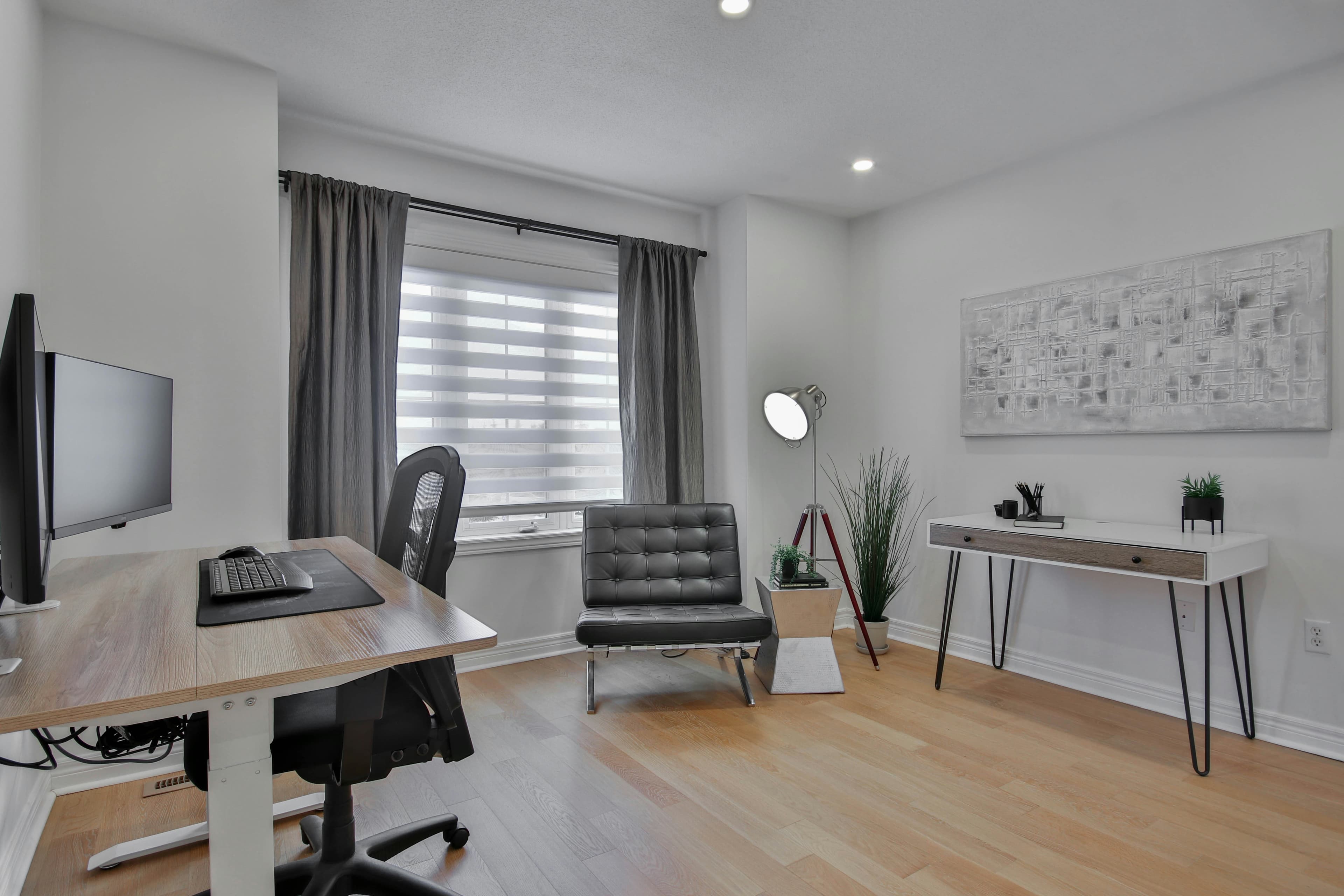
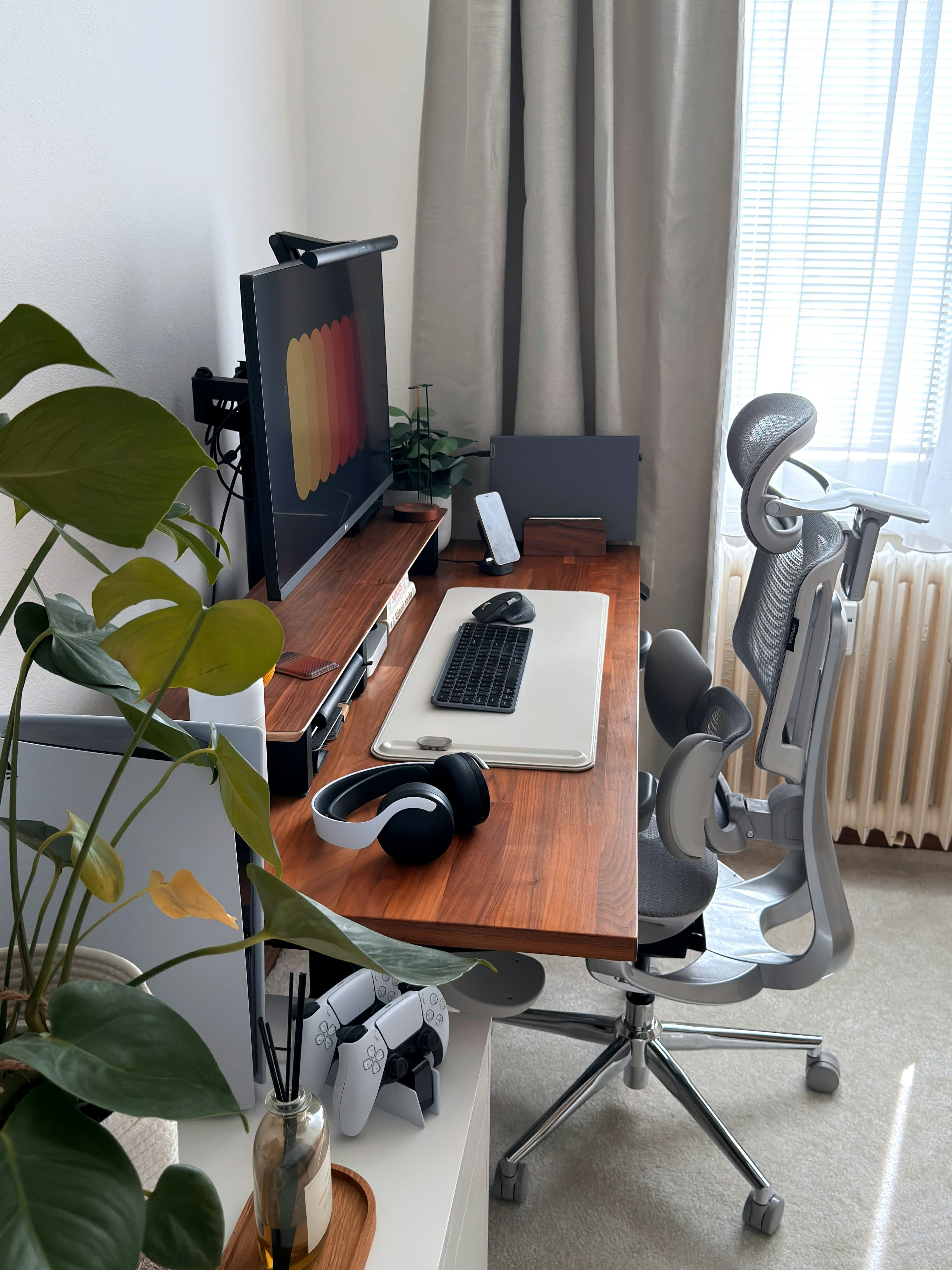
The verdict
Yes, with one rule: pay for adjustability, not adjectives. Anyone who spends most of the day at a desk should treat a genuinely adjustable chair as infrastructure, and the path there can be a $359 Branch, a remanufactured Leap V2 around $700, or a new Aeron, depending on budget and hours in the seat. The only people who should skip are very light users who sit an hour or two a day. Everyone else is already paying for a bad chair in small daily installments; the good one just moves the cost somewhere you can see it.