Is a Statement Chandelier Worth It?
Updated July 2026
Short answer: Worth It for Some
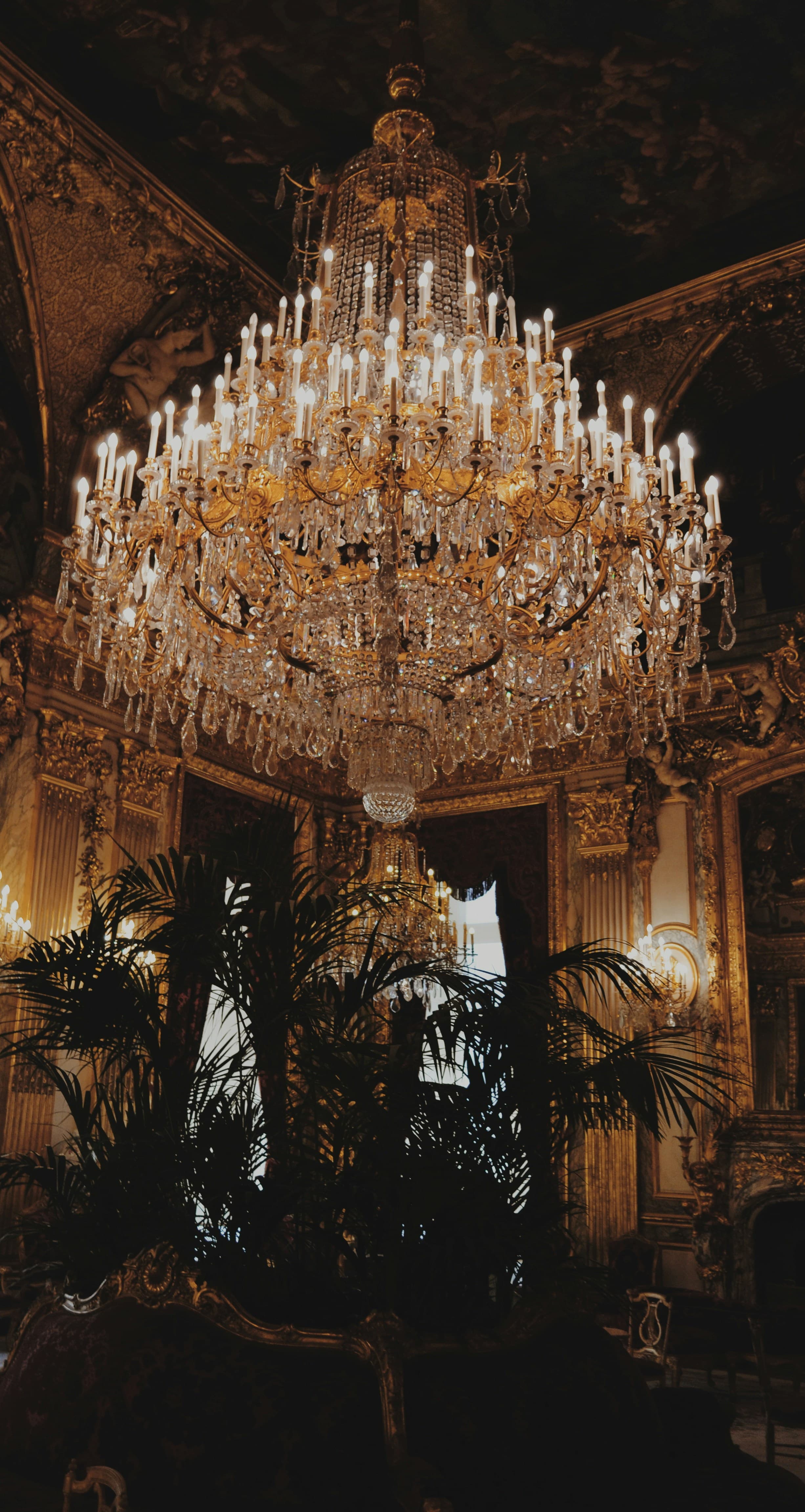
A big statement chandelier is worth it when the room actually has the ceiling height and sightlines to support it, and a genuine liability when it doesn’t. In a two-story foyer or great room, a large tiered fixture becomes the intended focal point and transforms the space; the same fixture in a standard 8 to 9 foot room overwhelms it. To size one: add the room’s length and width in feet and use that number in inches as the minimum diameter (a 12×12 room wants ≥24 inches); for tall foyers, size up 20 to 30% and favor a vertical or tiered design so it reads from both floors. The practical rule from design coverage: err slightly oversized, because a too-small fixture reads as cheap regardless of its price.
We may earn a commission when you buy through links on this page. It never affects our scores or picks. How we make money.
Price breakdown
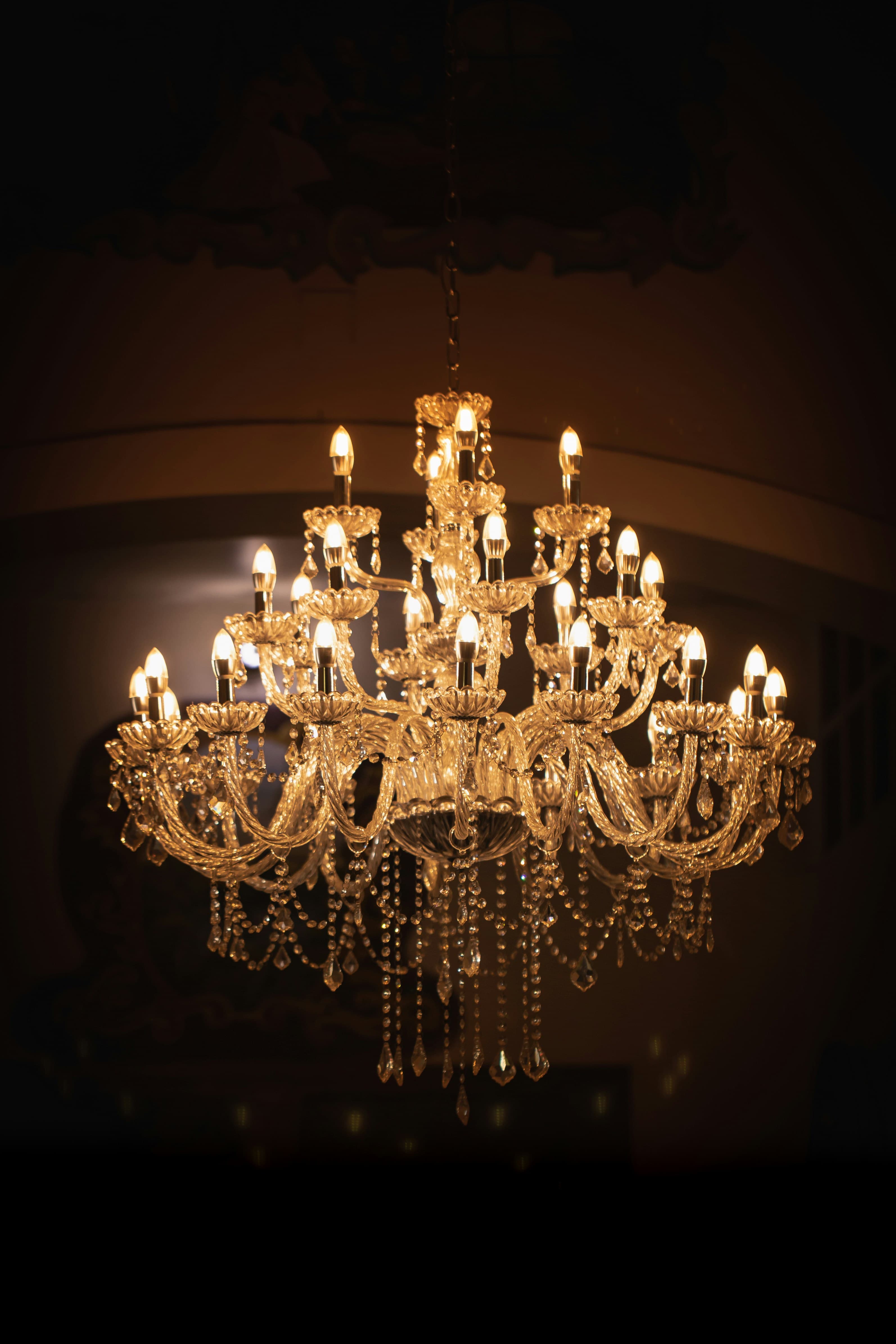
Big statement fixtures don’t have to mean big prices. A large tiered crystal chandelier built for a two-story foyer (Everly Quinn) runs ~$700 and up, a fraction of a custom fixture, which can cost many thousands. Mid house-brand statement pieces (Willa Arlo’s larger Stoller) land in the mid-hundreds. Designer statement fixtures (Sonneman) run $4,500 to $7,000-plus. The cost driver for "big" is scale and crystal count, not necessarily brand, which is why an Everly Quinn can fill a foyer for house-brand money. Budget separately for a dimmer (large crystal fixtures are very bright) and confirm your ceiling box is rated for a heavy fixture’s load.
Performance benefits
A properly sized statement chandelier does real work: it anchors the room, draws the eye up in a tall space, and throws light and sparkle that a flush fixture never could. It is the single most impactful lighting decision in a foyer or great room. A large tiered crystal design in particular reads from both floors of a two-story space, which a single-tier or flat round fixture can’t. The flip side is that "big" only performs in the right room: oversized in a standard-height space, it dominates and cramps rather than elevates. Scale to the architecture, and the payoff is large; ignore the architecture, and an expensive fixture actively hurts the room.
Longevity
A statement fixture is a semi-permanent, hard-wired installation, so treat it as a multi-year commitment. The mid house-brand tiered crystals (Everly Quinn) are well-liked and durable enough for years, with Wayfair’s replacement-parts process covering the main risk: crystals damaged in shipping. Big crystal fixtures are also the highest-maintenance here (more crystals to dust) and the heaviest, so a properly rated ceiling box matters for the long haul. The most future-proof choice, ironically, isn’t about durability but taste: a timeless silhouette and finish keep a statement piece from looking dated a decade later, which is what really determines whether it was "worth it."
Alternatives to consider
- Everly Quinn Tiered Crystal Chandelier
The big-statement pick: worth it in a two-story foyer or great room; genuine scale for house-brand money.
7.6 - Willa Arlo Interiors Theodora Crystal Chandelier
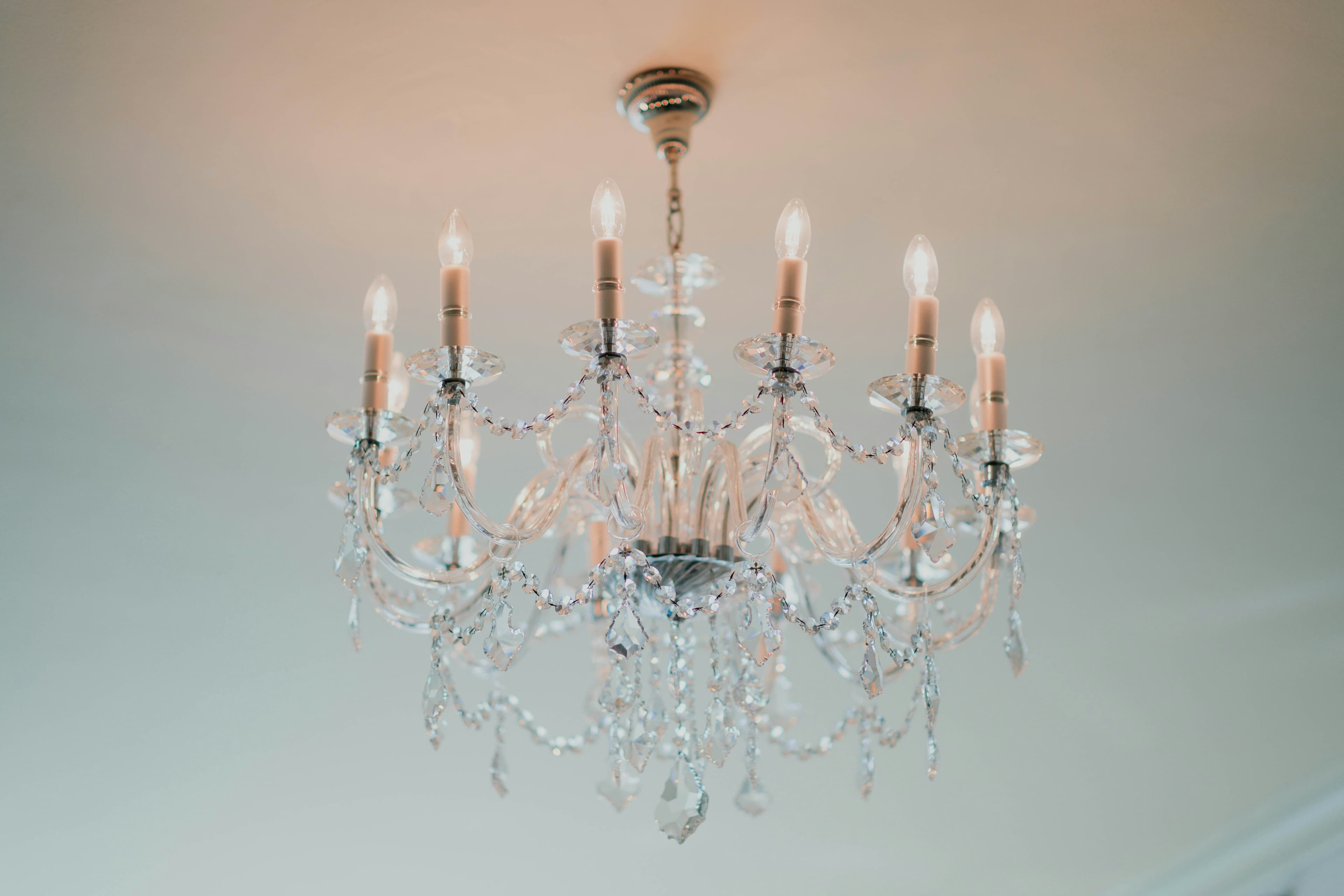
Our Editor’s Choice: size down to this for standard-height rooms where a huge fixture would overwhelm.
8.1 - Corrigan Studio Linear Chandelier
For a long dining table, a linear statement fixture reads better than a round one, and costs the least here.
7.3
The verdict
A big statement chandelier is worth it when the room can carry it (a two-story foyer, a great room, a soaring entryway) where it becomes the focal point and a large tiered fixture like our Everly Quinn pick delivers custom-level drama for house-brand money. It is not worth it, and actively backfires, in a standard-height room, where an oversized fixture overwhelms the space. So the real question isn’t whether to splurge on "statement," it’s whether your architecture supports one: size it by the room’s dimensions, favor scale over brand, and if your ceilings are normal, choose a right-sized fixture like the Willa Arlo Theodora instead.