Pergola vs Gazebo: Which Is Worth It?
Updated July 2026
Short answer: Worth It for Some
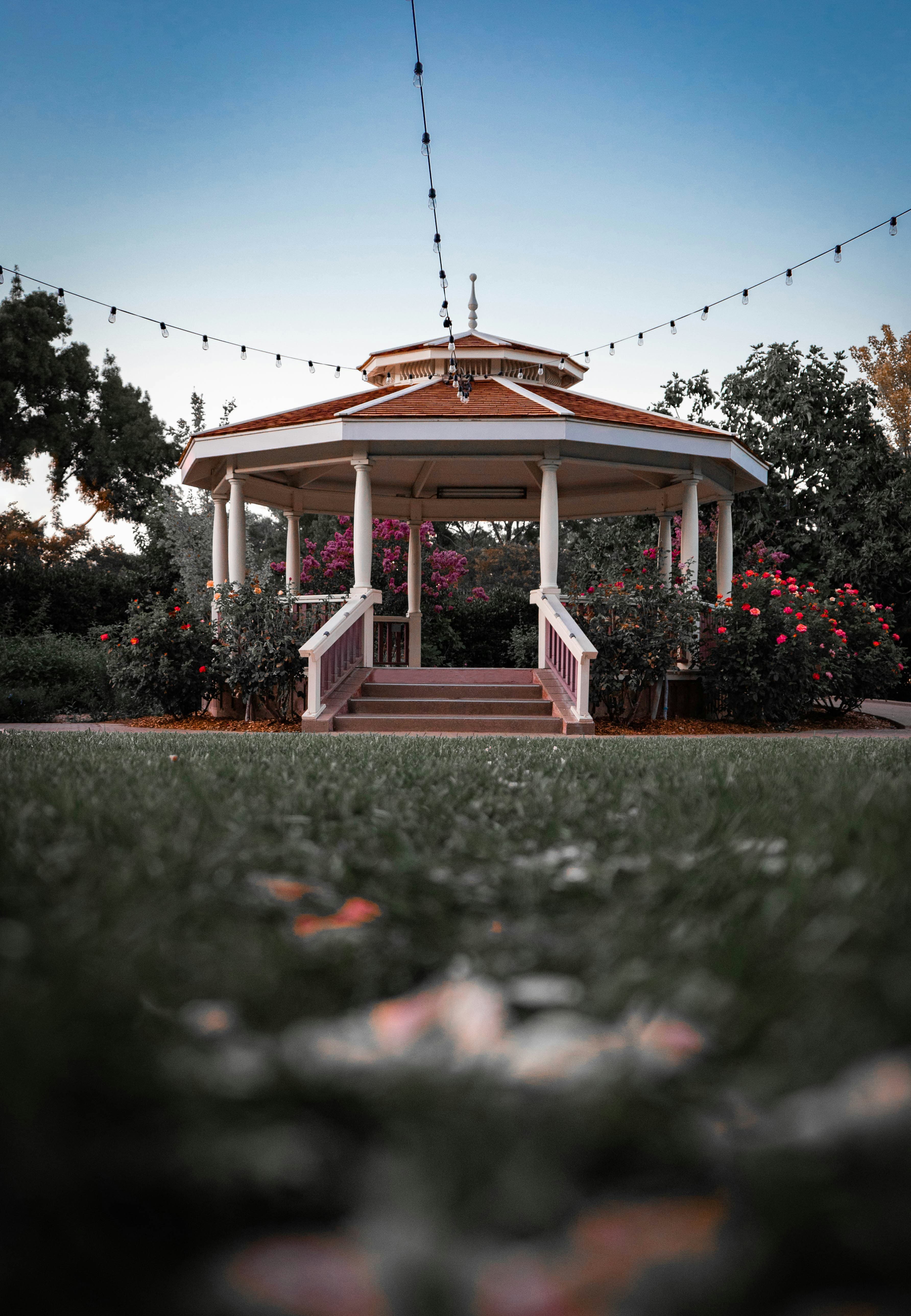
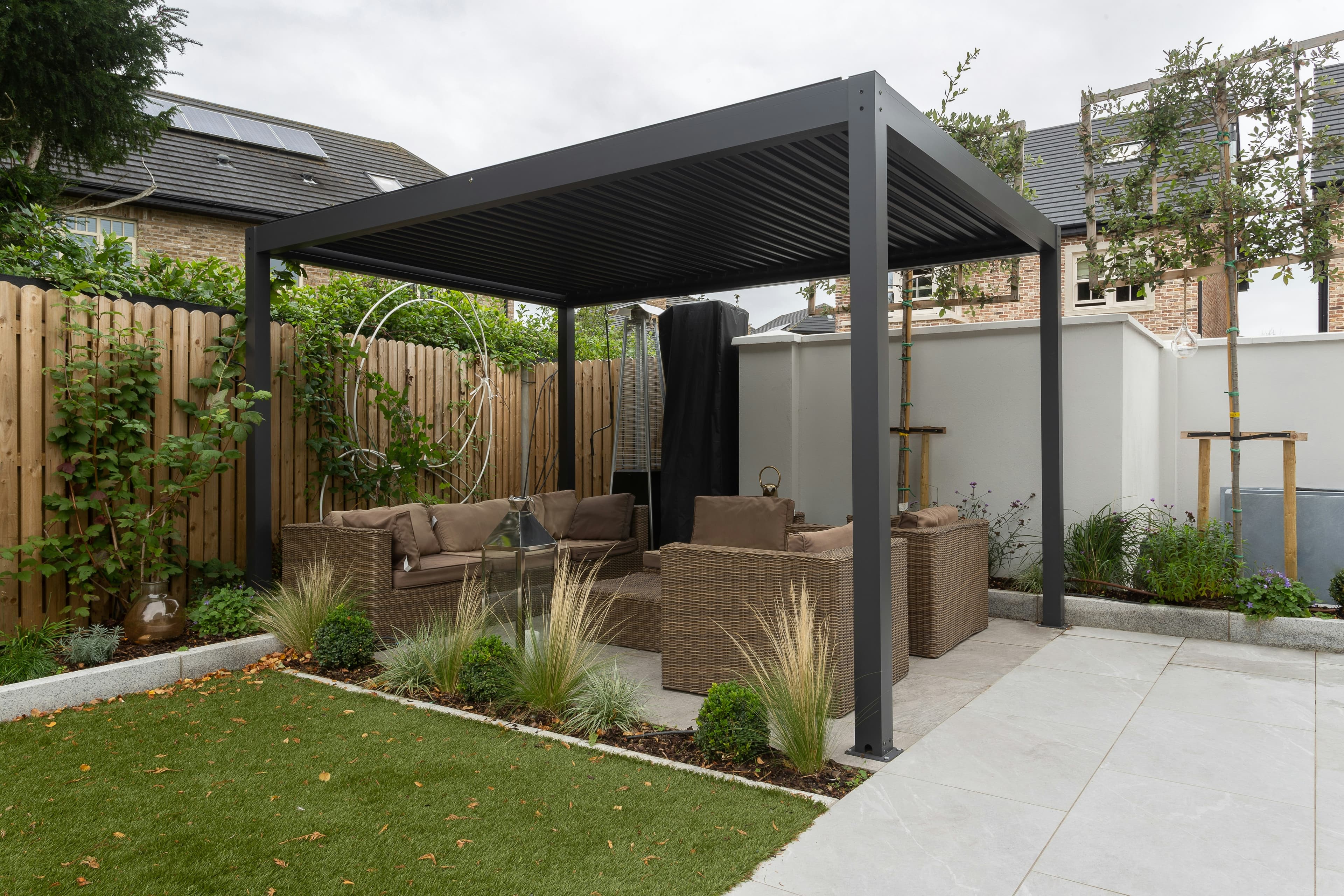
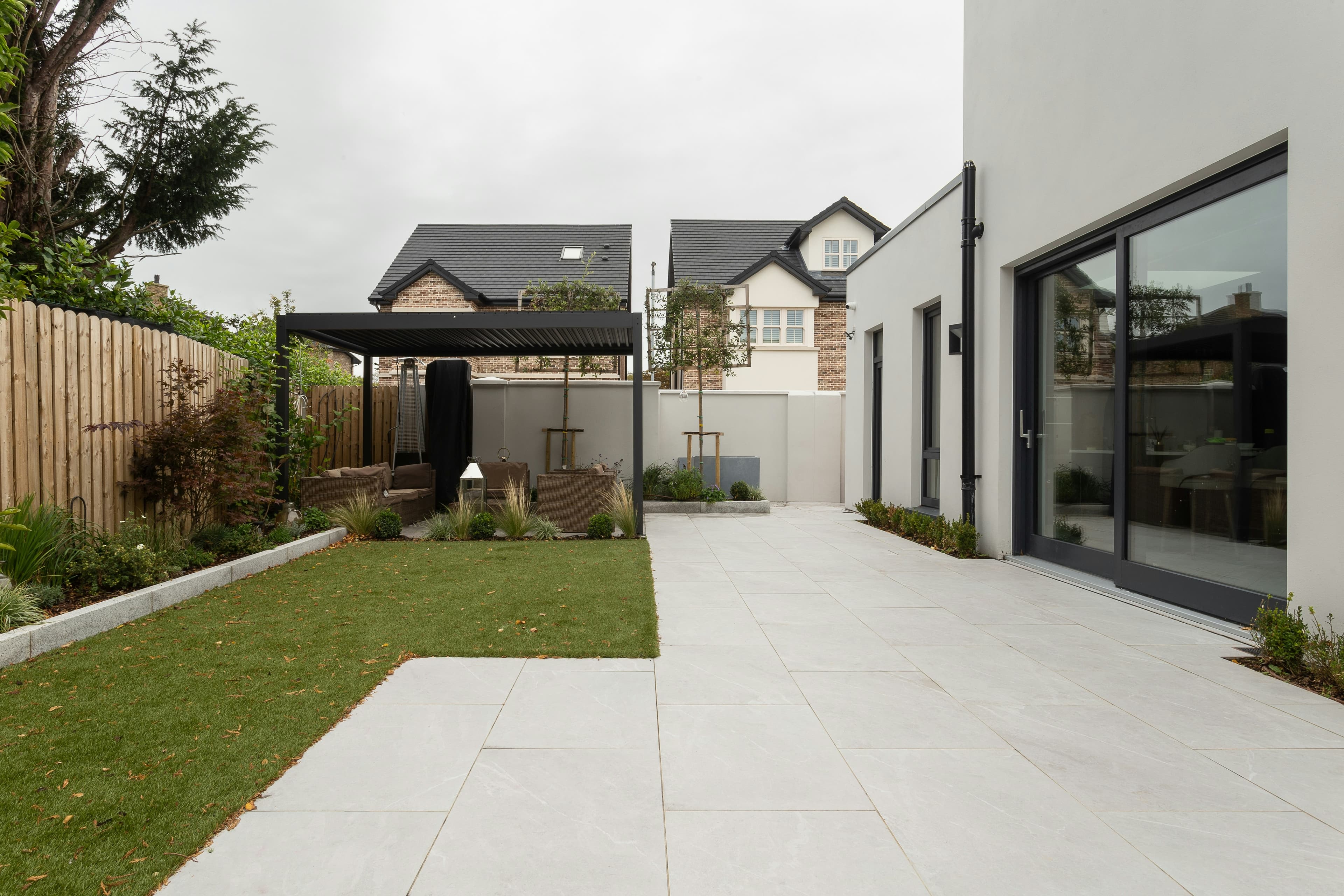
It depends on your yard and your climate more than your budget. If you already have a deck or patio slab, a pergola usually integrates better, can attach to the house, and costs less at equivalent quality: it defines an outdoor "room" within your existing hardscape. A gazebo is worth it when you want a fully freestanding structure away from the house (over a hot tub or fire pit), when you live in a heavy-snow climate and want a rated all-metal hardtop roof, or when a traditional garden focal point matters more than flexibility. For most patio owners, a pergola (or a louvered pergola) is the more versatile pick; for freestanding, all-weather shelter, a hardtop gazebo wins.
We may earn a commission when you buy through links on this page. It never affects our scores or picks. How we make money.
Price breakdown
The two categories overlap but skew differently. Pergolas range from a ~$1,800 value aluminum model (Sojag Yamba) through ~$3,500 cedar (Yardistry) to ~$5,399-plus for a premium louvered structure (PURPLE LEAF), with cross-referenced cost guides putting the average pergola around $2,200 to $6,400. Gazebos run a bit higher on average ($2,700 to $10,000) because a solid roof and freestanding frame cost more, but a rated hardtop like the Sunjoy lands around $2,500, genuinely competitive. Dollar for dollar, a hardtop gazebo often delivers the strongest verified weather protection per dollar, while pergolas win on integration and (with louvers) adaptability.
Performance benefits
A pergola’s strength is integration and flexibility: it ties into existing hardscape, can attach to the house, and, in louvered form, adapts its roof to sun and rain. A gazebo’s strength is being a complete, freestanding, all-weather structure: a solid rated roof that sheds snow and rain reliably, and a standalone footprint that anchors a seating area, hot tub, or fire feature anywhere in the yard. The Sunjoy hardtop specifically posts the best verified wind and snow ratings in our guide. The honest trade: a gazebo’s fixed roof can’t open for airflow the way a louvered pergola can, and its freestanding frame takes up dedicated yard space a patio-integrated pergola doesn’t.
Longevity
Both can last many years, but a rated hardtop gazebo is the safer bet in harsh weather: galvanized-steel construction with published snow-load ratings (3,400 to 4,400 lbs on the Sunjoy) is built to take a beating, and big-box distribution makes replacement parts easy. Aluminum pergolas are similarly low-maintenance and rust-resistant; wood pergolas last 15-plus years but only with ongoing staining and sealing. Across both categories, the real longevity variable is anchoring: published ratings assume the structure is properly secured, ideally into concrete, so budget for anchors regardless of which you choose.
Alternatives to consider
- Sunjoy Hardtop Gazebo
Our Editor’s Choice, the gazebo answer: a rated, weatherproof hardtop with the best wind and snow numbers for the money.
8.1 - PURPLE LEAF Louvered Pergola
The pergola answer for adaptability: an adjustable louvered roof that opens for airflow and closes for rain.
7.7 - Sojag Yamba Pergola
The value pergola: patio-integrating aluminum shade for ~$1,800 if you don’t need a solid or louvered roof.
7.6
The verdict
Neither is universally "worth it": the right answer is dictated by your space and climate. Choose a pergola if you have an existing patio to build on, want the structure to integrate with (or attach to) the house, and value flexibility, with a louvered version if you want an adjustable roof. Choose a gazebo, specifically a rated hardtop like our Editor’s Choice Sunjoy, if you want a freestanding, all-weather outdoor room, live where snow and wind demand a rated roof, or want the strongest weather protection per dollar. Match the structure to your yard, anchor it properly, and either can be a genuinely worthwhile upgrade.