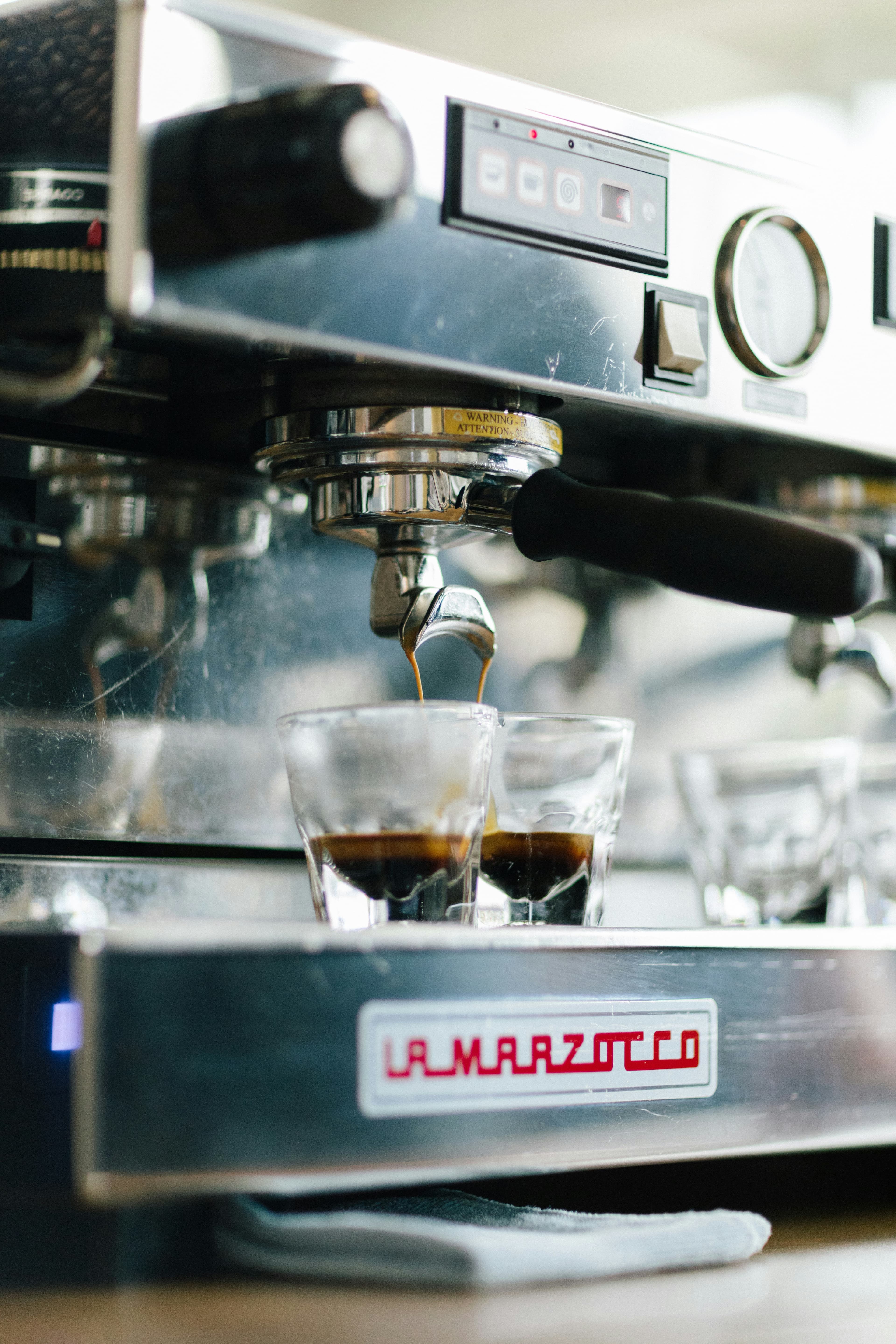
A home espresso machine can pay for itself against café prices, but the “best” one depends entirely on how much technique you want to trade for convenience, so we researched the leading machines against expert reviews, owner-reported reliability, and the true cost of ownership (a grinder included). The picks split cleanly by buyer: the most repairable enthusiast machine, the best all-in-one, the friendliest first machine, the best compact, and the best push-button super-automatic. One honest note up front: machines without a built-in grinder (the Gaggia and Bambino) need a separate burr grinder, which is part of the real cost.
We may earn a commission when you buy through links on this page. It never affects our scores or picks. How we make money.
1
Best for Enthusiasts
Gaggia
Gaggia Classic Pro
8.0
Our Editor’s Choice: a commercial-grade, endlessly repairable 58mm machine that lasts decades; bring your own grinder and patience.
The Gaggia Classic Pro is our Editor’s Choice: not the easiest machine here, but the best one to own for years. It’s a commercial-grade build at a consumer price: a full 58mm portafilter, a brass group head, and an all-metal design you can repair and upgrade for decades, which is why owners keep them running 15 to 20 years. The honest caveats are real: there’s no grinder (budget for a good one), no PID out of the box (you learn to temperature-surf or add a kit), and a single small boiler means waiting between brewing and steaming. Paired with a decent grinder and a little patience, almost nothing beats it at the price.
Grinder, PID, and pre-infusion in one approachable machine: the most popular, complete on-ramp to real espresso.
The Breville Barista Express is the most popular on-ramp to real home espresso, and the best all-in-one for most people getting started. It packs a built-in conical burr grinder, PID temperature control, and pre-infusion into one approachable stainless machine, so you can go from beans to a genuine café-style shot without buying a separate grinder or mastering manual technique. The honest limits keep it from the top of our list: a smaller 54mm portafilter, a single boiler (no simultaneous brew and steam), a short 1-year warranty, and middling long-term repairability. But as a complete, accessible package, often around $500 to $630 on sale, it’s hard to beat.
A guided tamping station and forgiving steam wand make it the friendliest first machine, often on sale near $450.
The De’Longhi La Specialista Arte Evo is the friendliest way into real espresso: an all-in-one with a built-in grinder and, crucially, a guided tamping station that removes one of the trickiest beginner steps by tamping to a consistent pressure for you. Its Panarello-style steam wand is forgiving for first-timers, and it’s frequently on sale near $450, undercutting the Breville Barista Express. The trade-offs are a smaller 51mm portafilter (fewer accessories), only 8 grind settings, lighter components, and a cold-brew mode reviewers find gimmicky. As a first machine that gets you to café results quickly, though, it’s the easiest pick here.
Real café espresso and automatic milk frothing in the smallest footprint here: ideal for tight kitchens.
The Breville Bambino Plus packs genuine café-quality espresso into the smallest footprint here (under 8 inches wide), making it the pick for tight kitchens and apartments. It heats up in about 3 seconds, and its standout feature is an automatic steam wand that textures milk hands-free with selectable temperature and froth levels, so beginners get latte-quality milk without the learning curve. The catch is the same as the Gaggia’s: no grinder, so you’ll need to budget for one. It’s also very light and its water tank is small, but for compact, fuss-free espresso it’s the reigning entry champ.
One-touch café drinks with zero technique and self-cleaning, in a compact Swiss machine, for convenience-first buyers.
The Jura ENA 8 is the answer for people who want café drinks with zero technique: it grinds, doses, brews, and froths at the press of a button, serving 15 specialty drinks from an unusually compact, Swiss-built machine. There’s no tamping, no steaming skill, and it cleans its own milk system automatically. The catch is the math: at around $1,999 it’s the priciest machine here, its single thermoblock makes one drink at a time, the milk runs cool, and purists get more flavor and control from a semi-automatic-plus-grinder setup for less. For convenience-first buyers, though, it’s a benchmark.
For most beginners, an all-in-one with a built-in grinder is the easiest start: the Breville Barista Express is the complete package, and the De’Longhi La Specialista Arte Evo is even more forgiving thanks to its guided tamping station, often at a lower sale price. If you want café drinks with no technique at all, a super-automatic like the Jura ENA 8 does everything at the touch of a button.
Do I need a separate grinder?
It depends on the machine. The Breville Barista Express, De’Longhi Arte Evo, and Jura ENA 8 have grinders built in. The Gaggia Classic Pro and Breville Bambino Plus do not, so you’ll need a quality burr grinder (budget $150 to $400), factor that into the total cost, since a good grinder matters as much as the machine for shot quality.
Semi-automatic or super-automatic?
Semi-automatic machines (Gaggia, Breville) let you control grinding, tamping, and steaming: more skill and cleanup, but a higher flavor ceiling and far better value per dollar. Super-automatics (Jura) grind, brew, and froth at one touch with minimal effort, but cost more and give up some flavor and control. Choose by whether you enjoy the ritual or just want the drink.
Are expensive espresso machines worth it?
A good machine pays for itself against café prices if you drink espresso daily, but “expensive” isn’t the same as “best.” The enthusiast-favorite Gaggia Classic Pro is around $549 and lasts decades, while a $1,999 super-automatic mostly buys convenience. Spend on a machine that matches how you’ll actually use it, and don’t skimp on the grinder.