Pros
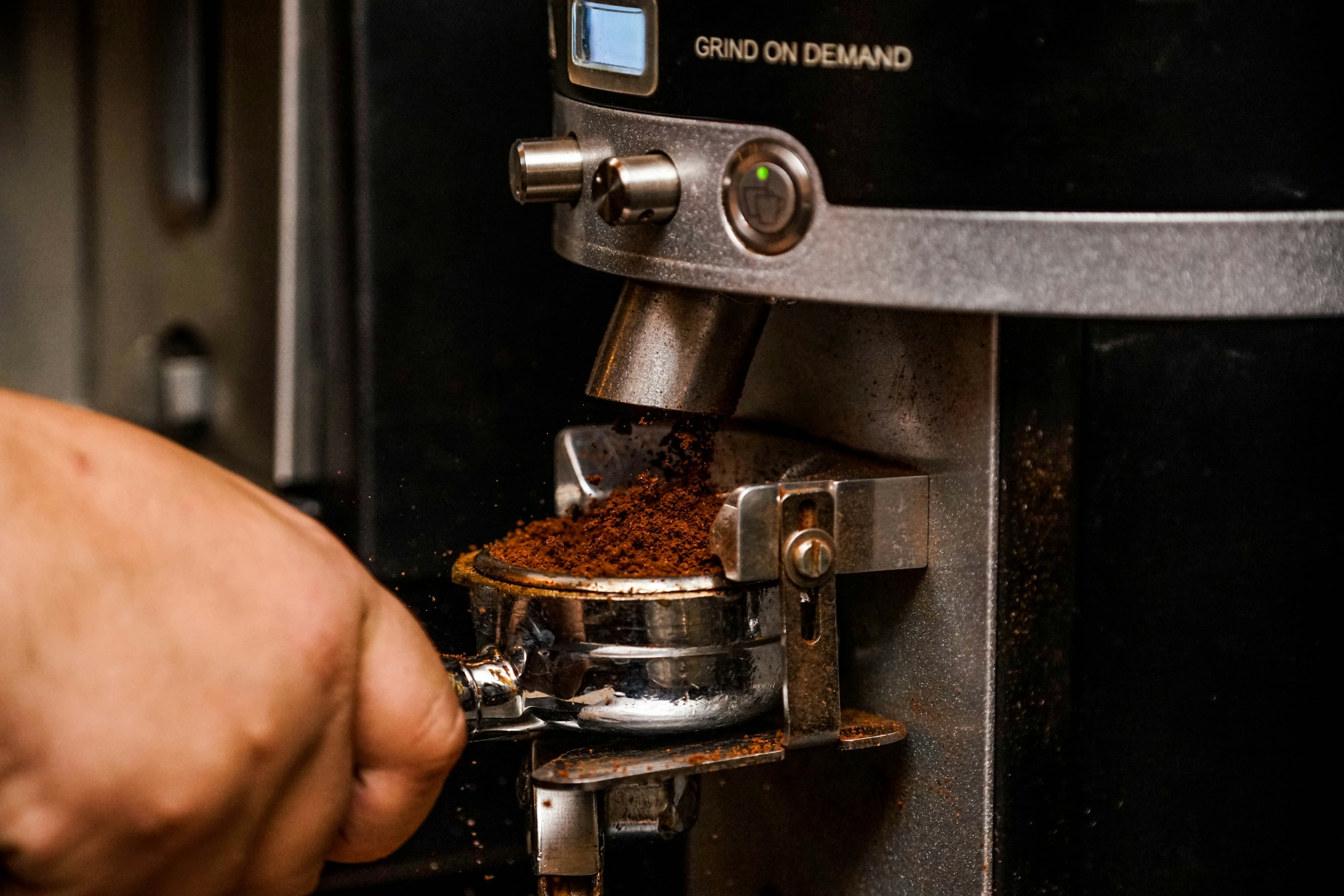
- True all-in-one: the integrated burr grinder saves the cost and counter space of a separate grinder
- PID temperature control and pre-infusion deliver genuine espresso quality at the price
- Fast ~30-second heat-up and a grind-and-dose workflow make daily use quick
- Solid brushed-stainless build and looks, and excellent value, often $500 to $630 on sale
Cons
- 54mm portafilter (not the 58mm pro standard) limits accessory options and headroom
- Single boiler can’t brew and steam at once: you wait between shot and milk
- Built-in grinder has only 16 settings and some retention; manual weight dosing gives best results
- Short 1-year warranty and only middling long-term repairability (parts availability can be inconsistent)
Specifications
- Type
- Semi-automatic all-in-one with built-in grinder
- Grinder
- Conical burr, 16 settings, grind-and-dose
- Portafilter
- 54mm; single- and dual-wall baskets
- Boiler
- Single, Thermocoil; ~30-second heat-up
- Temp control
- PID; low-pressure pre-infusion
- Pump / pressure
- 15-bar pump; 9-bar extraction
- Steam wand
- Manual, for microfoam milk texturing
- Water tank
- 2.0 L (64 oz)
- Warranty
- 1-year limited (US)
Performance
For a single machine at this price, the Barista Express performs impressively. PID temperature control and low-pressure pre-infusion are features usually reserved for pricier machines, and the built-in conical burr grinder means you’re pulling shots from freshly ground beans without a separate purchase: the whole reason it’s the default beginner recommendation. The ceiling is where it gives ground to enthusiast gear: the 54mm portafilter and single boiler limit accessory choice and force you to wait between brewing and steaming, and the grinder’s 16 coarse steps lack the fine control of a dedicated espresso grinder. For learning and everyday café-style drinks, though, it does the whole job well.
Build Quality
Build quality is good for the class: a brushed stainless exterior that looks the part, with solid daily-driver mechanicals. It’s not in the same durability league as an all-metal enthusiast machine, though: some internal hose fittings are plastic and prone to wear, the group-head gasket needs periodic replacement, and the enthusiast community notes Breville parts availability can be inconsistent. With regular backflushing, descaling, and grinder cleaning, owners report 5 to 10 years of service, but it’s more of a well-built appliance than a repair-it-forever machine.
Value Assessment
Value is the Barista Express’s strongest suit and the core of its appeal: one machine, often $500 to $630 on sale, gets you a capable grinder, PID, and pre-infusion, everything you need to make real espresso, in a single purchase. Buying a separate semi-auto plus a comparable grinder costs more and takes more counter space. The trade-off you’re accepting for that convenience is a lower ceiling and shorter lifespan than buying quality separates, but for the buyer who wants the complete package without overthinking it, nothing delivers more out of the box for the money.
Who Should Buy It
People getting into espresso who want a complete, accessible package (grinder, PID, and pre-infusion in one machine) and prefer convenience and a single purchase over chasing the last bit of quality with separate components.
Who Should Skip It
Enthusiasts who want 58mm compatibility and a machine to upgrade and keep for decades (the Gaggia Classic Pro), tiny kitchens (the compact Bambino Plus), and anyone who wants push-button, no-technique drinks (a Jura).
Final Recommendation
The Breville Barista Express is our Best All-in-One: the most complete and beginner-friendly way into real home espresso, with a grinder and PID built in at a genuinely fair price. It’s not the longest-lasting or highest-ceiling machine here (enthusiasts will prefer the Gaggia), but for most people who just want to start pulling great shots from one machine, it’s the easy recommendation.