- Pellet, gas, or kamado: which grill type should I get?
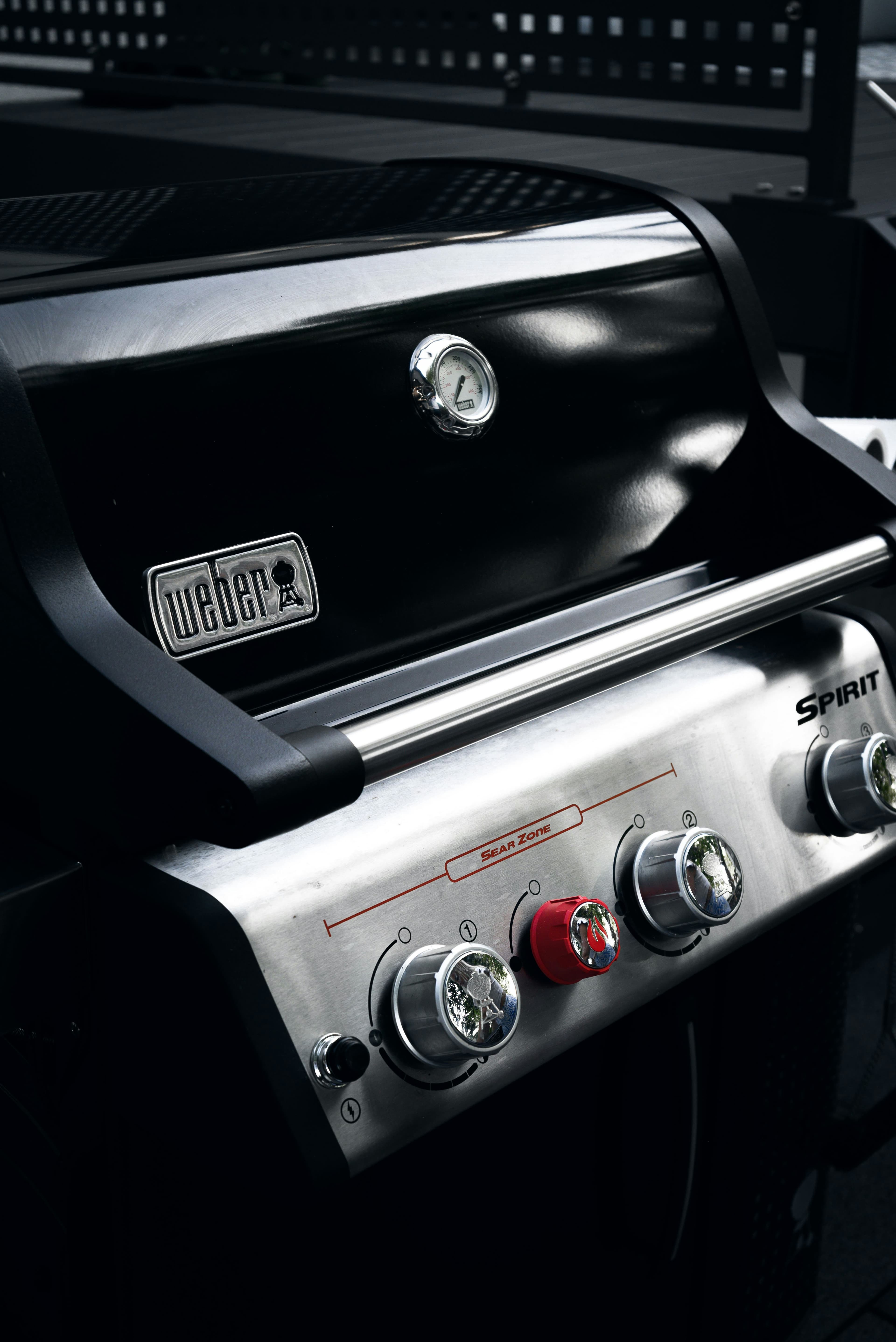
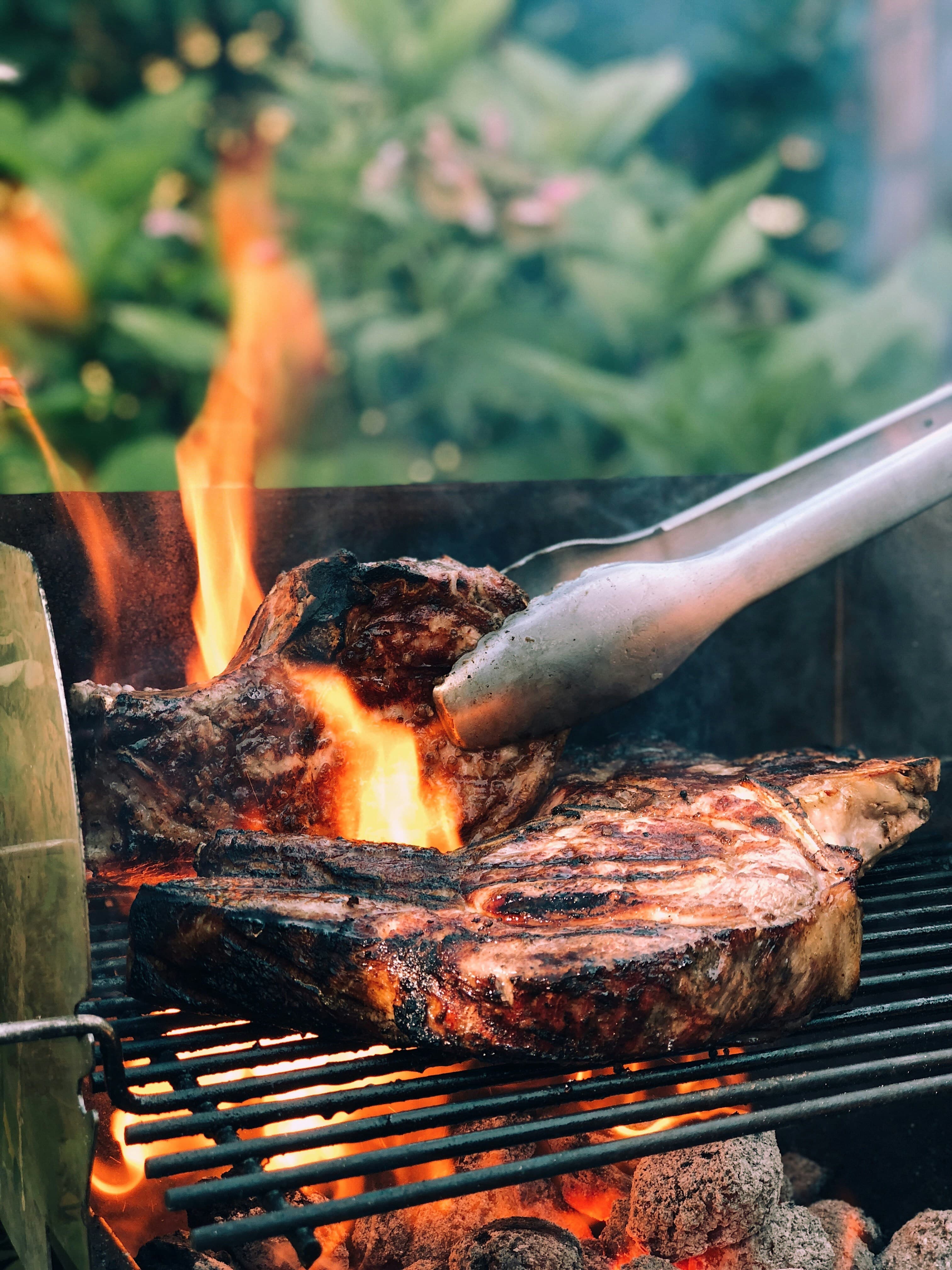
- Pick by what you value. A pellet grill (Recteq, Traeger) gives hands-off wood-smoke flavor and is great for low-and-slow barbecue. A gas grill (Weber Genesis) is the fastest, most convenient for weeknight cooking and searing, but adds no smoke flavor. A charcoal kamado (Kamado Joe, Big Green Egg) is the most versatile (grill, smoke, bake, sear) with real live-fire flavor, at the cost of a learning curve and hands-on fire management.
- Why is the Recteq our top pick over Traeger?
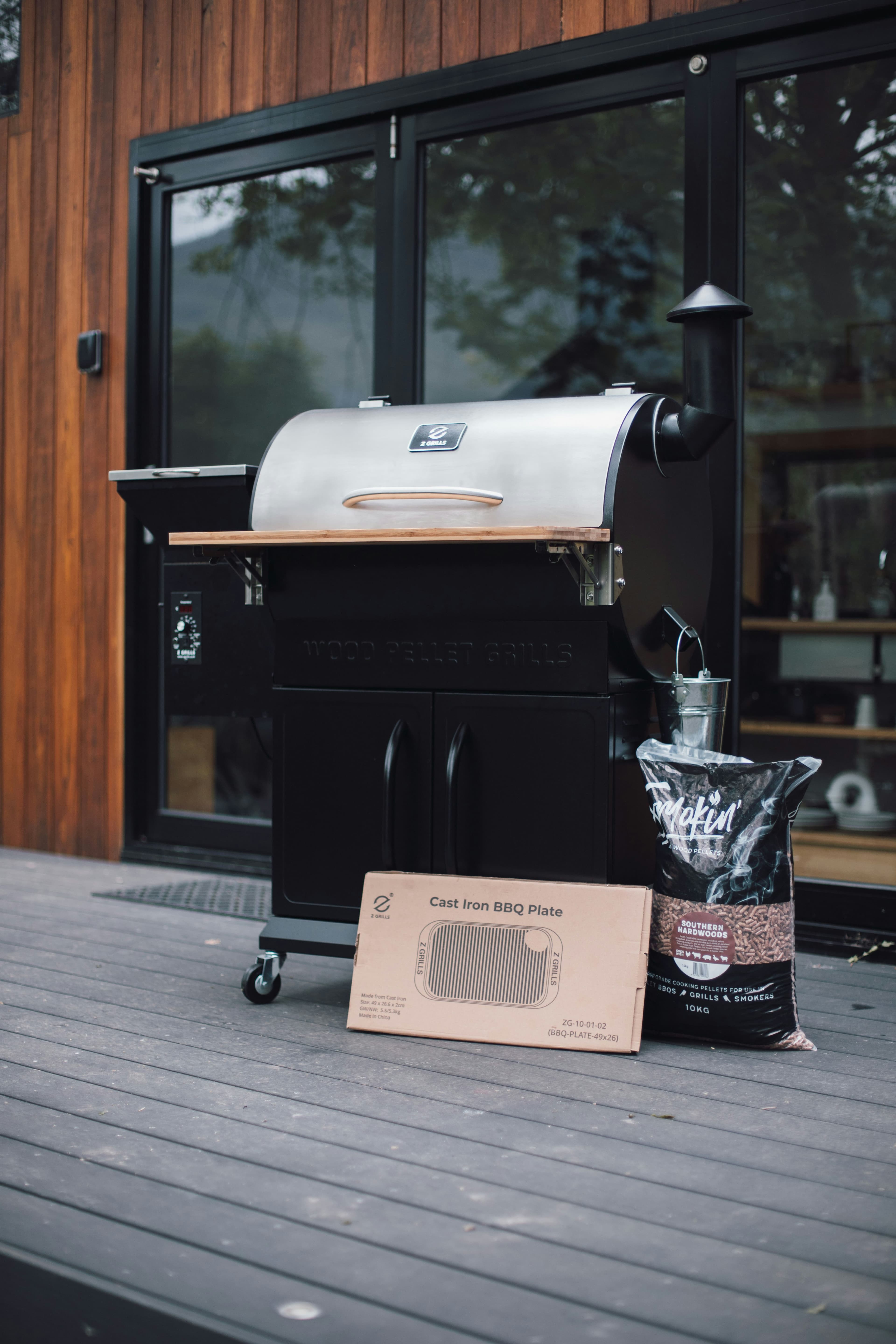
- Because for similar money it’s simply more grill that lasts longer. The Recteq RT-700 is built from marine-grade 304 stainless (vs Traeger’s powder-coated steel that can rust), has a much bigger 40-lb hopper, sears at 700°F, and carries a 6-year warranty against Traeger’s 3. Traeger still makes the easiest app experience, which is why the Pro 780 is our beginner pick, but the Recteq is the better buy.
- Big Green Egg or Kamado Joe?
- Both are excellent lifetime ceramic grills. The Kamado Joe Classic III wins out of the box: it includes a cart, a 3-tier Divide & Conquer system, and a SloRoller smoking insert that the Big Green Egg charges extra to approximate. The Big Green Egg counters with the lowest entry price, the biggest accessory ecosystem, and the largest owner community. Get the Kamado Joe for features included; the Egg for the ecosystem and a lower start.
- How much should I spend on a good grill?
- Premium grills here run roughly $950 to $2,200. A great gas grill (Weber Genesis) is about $949; a top pellet grill (Recteq RT-700) around $1,199; a ceramic kamado from ~$1,249 (Big Green Egg, before accessories) to ~$2,199 (Kamado Joe, fully equipped). Whatever you buy, weigh build quality and warranty: they’re what separate a grill that lasts 15+ years from one you replace in five.