Every flagship on this list can hush an airplane cabin; the differences live in what each one asks you to give up. We researched the current field against expert reviews, owner-reported reliability, codec and battery fine print, and warranty terms, and the results split cleanly by priority. Sony makes the most famous pair and the best ANC for flights, but our overall pick goes to the headphone that wins the most battles that matter across years of ownership. Below: the best all-rounder, the best pure noise cancelling, the best comfort, the best Apple companion, and the best luxury sound.
We may earn a commission when you buy through links on this page. It never affects our scores or picks. How we make money.
1
Best Overall
Sennheiser
Sennheiser Momentum 5 Wireless
8.0
The best sound and battery in the class, a replaceable battery, and a 2-year warranty: the strongest total package at $400.
Which of these headphones will you still be using in 2031? That question, more than any single spec, is why the Sennheiser Momentum 5 Wireless is our Best Overall. It has the best sound in the mainstream class from its HD 600-inspired 42mm drivers, a roughly 57-hour battery that laps every rival, and, almost uniquely among flagships, a user-replaceable battery, so the one component guaranteed to wear out can simply be swapped. The honest trade: its noise cancellation, though much improved, still sits a step behind the Sony WH-1000XM6 and Bose QuietComfort Ultra. If maximum quiet is the whole assignment, buy the Sony. For everything else at $400, this is the one.
The cancellation king with the deepest feature set, often the cheapest flagship too: mind the all-plastic build and hinge reports.
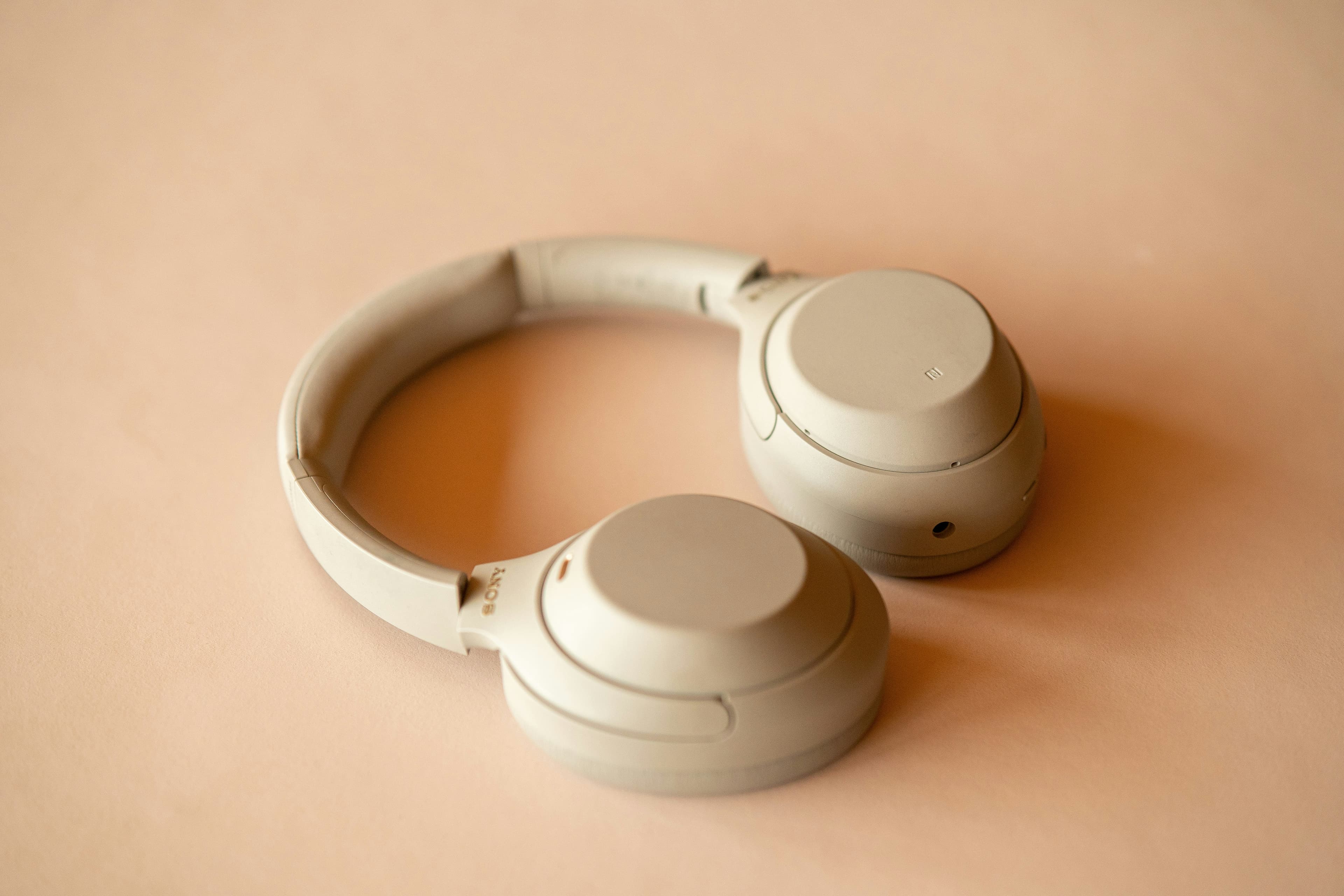
Nothing on this page silences a plane cabin like the Sony WH-1000XM6. The QN3 processor and its 12-microphone array set the class benchmark for noise cancellation, the feature list is the deepest in the group (LDAC hi-res, a parametric EQ, adaptive cancellation, Speak-to-Chat), and the fold-flat design the XM5 abandoned is back. It lists at $449.99 but is routinely on sale near $400, which makes it one of the easier flagships to buy well. So why isn't it our overall pick? Two things our research kept surfacing: an all-plastic build that feels ordinary at this money, and a documented pattern of hinge cracking on the XM5/XM6 line that Sony has reportedly treated as out-of-warranty damage.
The most comfortable all-day fit with cancellation as good as Sony’s, plus a genuinely useful spatial Cinema mode.
Hour nine of a long-haul flight is where the Bose QuietComfort Ultra (2nd Gen) makes its argument. At 250g with a soft clamp and plush cushions, it's the headphone most people can wear all day and forget, and its noise cancellation is co-best in the class with Sony's. The Immersive Audio spatial mode, with a dedicated Cinema setting, is genuinely useful for movies rather than a gimmick. What you give up: battery in the 27 to 30 hour range against rivals that run far longer, a basic 3-band EQ, no LDAC, and a February 2026 firmware update that removed popular features with no rollback, which dented a lot of owners' trust in Bose software.
A luxurious metal build and seamless Apple integration: superb in an all-Apple setup, hard to justify outside it.
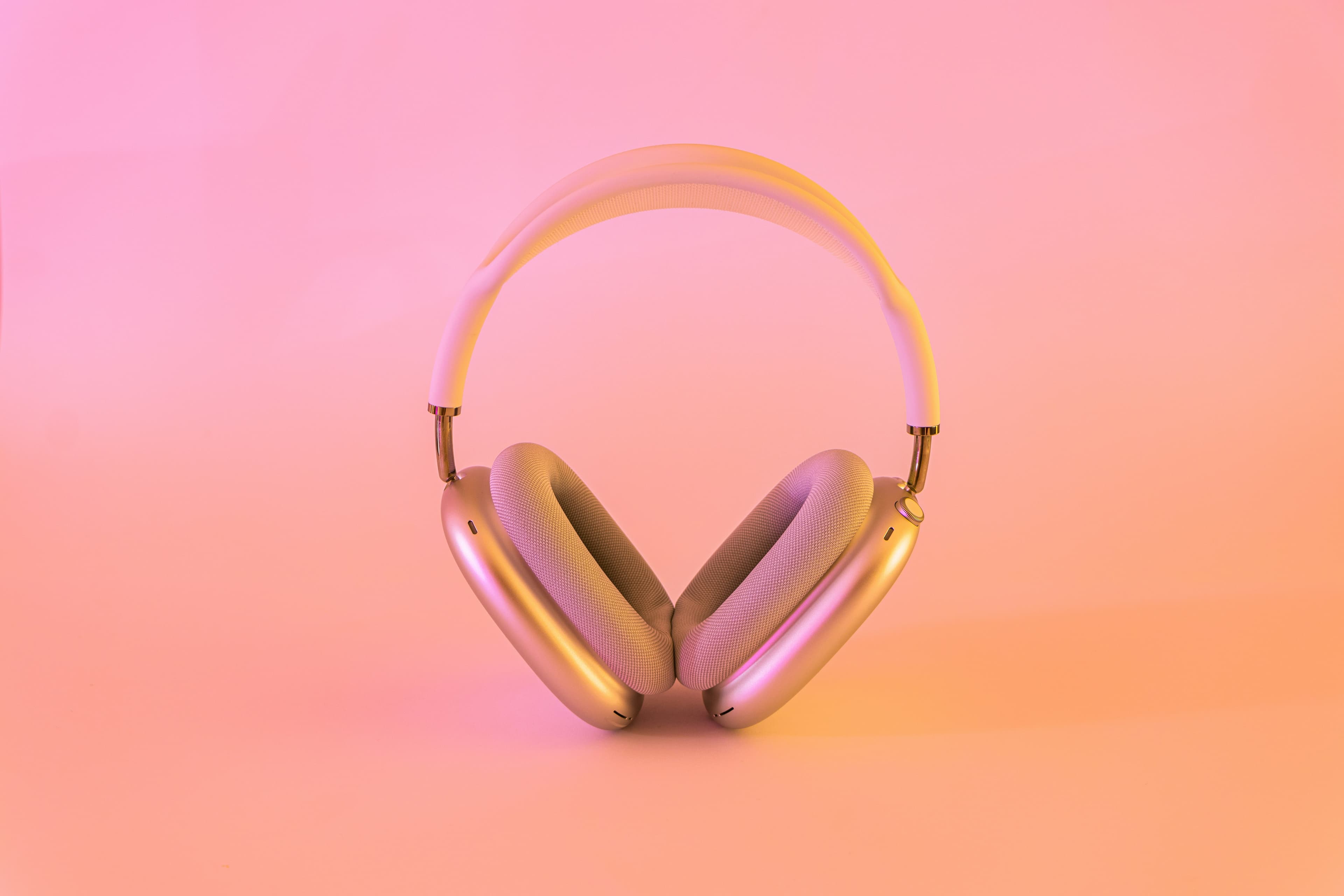
Apple finally gave this headphone a second generation in March 2026, and the AirPods Max 2 is a familiar recipe sharpened: an H2 chip, stronger noise cancellation, Live Translation, and the same machined aluminium and stainless steel everywhere else. That build is the most luxurious in this group, and the hand-off between iPhone, iPad, and Mac remains something no rival replicates. It's also our lowest-scoring headphone. $549 buys 386g of weight, Bluetooth capped at AAC with no hi-res wireless, no power button, no real case, and a feature set that loses most of its point the moment you leave Apple's world.
The best sound and most luxurious build here, in leather and aluminium, for sound-first buyers who’ll pay $799.
"I firmly believe this headphone starts to compete with wired headphones", writes RecordingNow's reviewer, and that single line explains who the Bowers & Wilkins Px8 S2 is for. Carbon-cone drivers, Nappa leather, and cast aluminium make it the best-sounding and best-built headphone in this group, and both What Hi-Fi and TechRadar named it a 2025 headphones of the year. The price of entry is steep in every sense: $799, noise cancellation that trails the Sony and Bose, and a heavier body with a firmer clamp than the comfort picks.
Why is the Sennheiser our Best Overall instead of the Sony?
Because the gap in noise cancelling is small and the Momentum 5 wins everywhere else that matters over years of ownership: the best sound in the class, a far longer ~57-hour battery, a user-replaceable battery, and a 2-year warranty. The Sony WH-1000XM6 still cancels noise best and has the deepest features, so if quiet is your single priority, it’s our Best for Noise Cancelling pick, but the Sennheiser is the better all-round buy.
Sony or Bose for noise cancelling?
It’s essentially a tie for raw quiet: reviewers can’t reliably separate them. Choose Sony for the deeper feature set, longer battery, hi-res LDAC, and parametric EQ; choose Bose for the most comfortable all-day fit and its spatial Immersive Audio. Both are excellent; it comes down to features-and-battery (Sony) versus comfort-and-spatial (Bose).
Are the AirPods Max worth it for Android users?
No. Much of what you pay for, including seamless switching, the full feature set, and Personalized Spatial Audio, only works fully on Apple devices, and over Bluetooth they’re limited to AAC. On Android, the Sennheiser, Sony, or Bose deliver more headphone for less money. The AirPods Max only make sense inside the Apple ecosystem.
What should I budget?
The sweet spot is around $400: the Sennheiser Momentum 5 ($400) and Sony WH-1000XM6 (~$320 to $400 street) sit there, with the Bose at $449. Apple’s AirPods Max are $549, and the Bowers & Wilkins Px8 S2 tops the range at $799 for sound-and-build-first buyers. Most people are best served in the $350 to $450 band.