Breville Barista Express vs De'Longhi La Specialista Arte Evo
Updated June 2026
We may earn a commission when you buy through links on this page. It never affects our scores or picks. How we make money.
Quick Winner: Breville Barista Express
The two big all-in-ones: the Breville pulls better espresso and goes further, while the cheaper De’Longhi is friendlier for absolute beginners.
Score comparison
Specifications
Breville Barista Express
- Type
- Semi-automatic all-in-one with built-in grinder
- Grinder
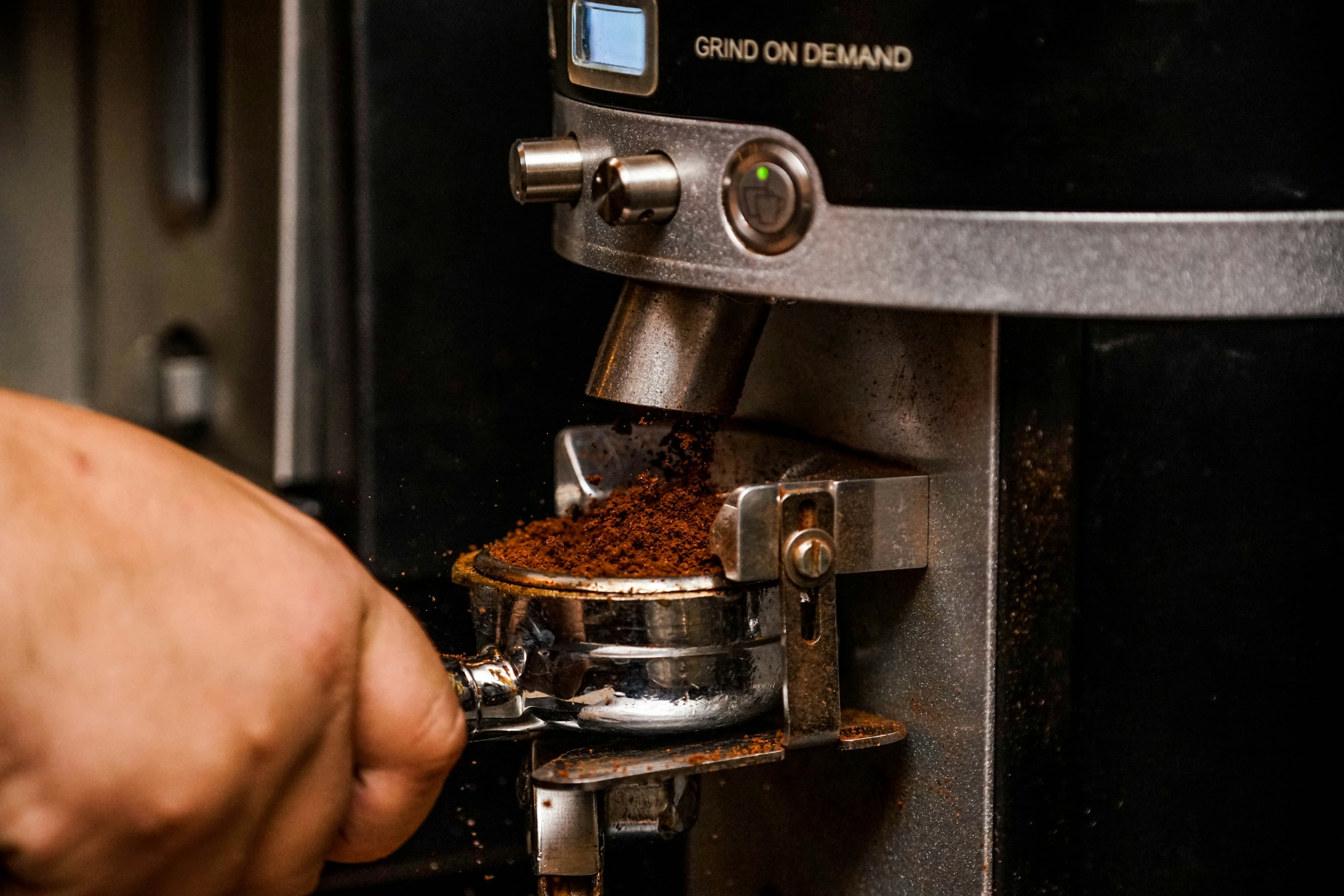
- Conical burr, 16 settings, grind-and-dose
- Portafilter
- 54mm; single- and dual-wall baskets
- Boiler
- Single, Thermocoil; ~30-second heat-up
- Temp control
- PID; low-pressure pre-infusion
- Pump / pressure
- 15-bar pump; 9-bar extraction
- Steam wand
- Manual, for microfoam milk texturing
- Water tank
- 2.0 L (64 oz)
- Warranty
- 1-year limited (US)
De'Longhi La Specialista Arte Evo
- Type
- Semi-automatic all-in-one with built-in grinder
- Grinder
- Conical burr, 8 settings, single/double dose
- Portafilter
- 51mm (single-wall baskets included)
- Heating
- Single thermoblock; ~30-second heat-up
- Tamping
- Guided tamping station: consistent pressure automatically
- Temp control
- 15-bar pump; 9-bar extraction; 3-setting active temperature control
- Steam wand
- Manual Panarello-style with foam control (beginner-friendly)
- Warranty
- 2-year limited (extendable to 3 with registration)
The verdict
This is the all-in-one matchup people search, and the two are closely matched grinder-equipped machines. The Breville Barista Express is the more capable: a larger 54mm portafilter, 16 grind settings, and a higher-quality grinder give it a better espresso ceiling and more room to grow, which is why experienced users prefer it. The De’Longhi La Specialista Arte Evo answers on approachability and price: its guided tamping station tamps for you, its Panarello wand is more forgiving for beginners, it carries a longer 2 to 3 year warranty, and it frequently sells near $450, undercutting the Breville. The De’Longhi’s 51mm portafilter, 8-setting grinder, and skippable cold-brew mode are the trade-offs. Choose the Breville if you want the better, more upgradeable machine and will learn to dial it in; choose the De’Longhi if you want the easiest, cheapest path to your first espresso. For most buyers serious about espresso, the Breville is the better long-term pick.