Are Espresso Machines Worth It?
Updated June 2026
Short answer: Worth It for Some
A home espresso machine is worth it if you drink espresso or milk drinks regularly: the math is compelling, since a $5 daily café habit is roughly $1,800 a year, so even a good machine plus a grinder can pay for itself within a year. The honest caveats are that real espresso has a learning curve and ongoing upkeep, and that the machine is only half the setup: a quality grinder matters as much as the machine itself. If you’ll use it most days and enjoy the process (or want hands-off convenience), it’s easily worth it; for the occasional cappuccino, a café or a simpler brewer makes more sense.
We may earn a commission when you buy through links on this page. It never affects our scores or picks. How we make money.
Price breakdown
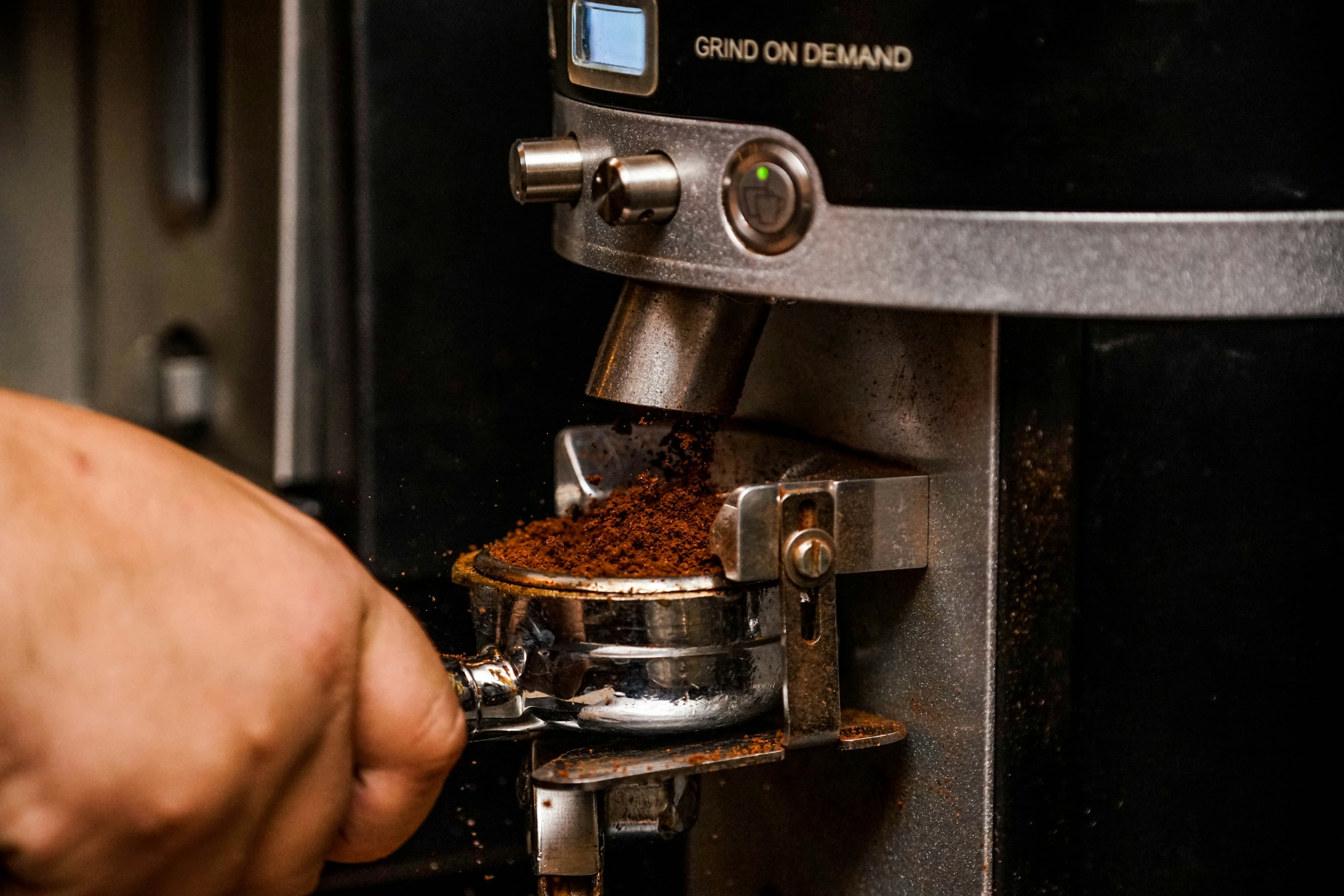
Real home espresso spans a wide range. All-in-ones with a built-in grinder like the Breville Barista Express run about $500 to $700; the friendlier De’Longhi La Specialista Arte Evo often dips near $450. Machines without a grinder, the Gaggia Classic Pro ($549) or compact Breville Bambino Plus ($499), need a separate burr grinder ($150 to $400), so budget for the complete setup. At the top, super-automatics like the Jura ENA 8 (~$1,999) bundle everything for push-button convenience. Against $1,500 to $2,000 a year in café spending, most of these pay back fast if used daily.
Performance benefits
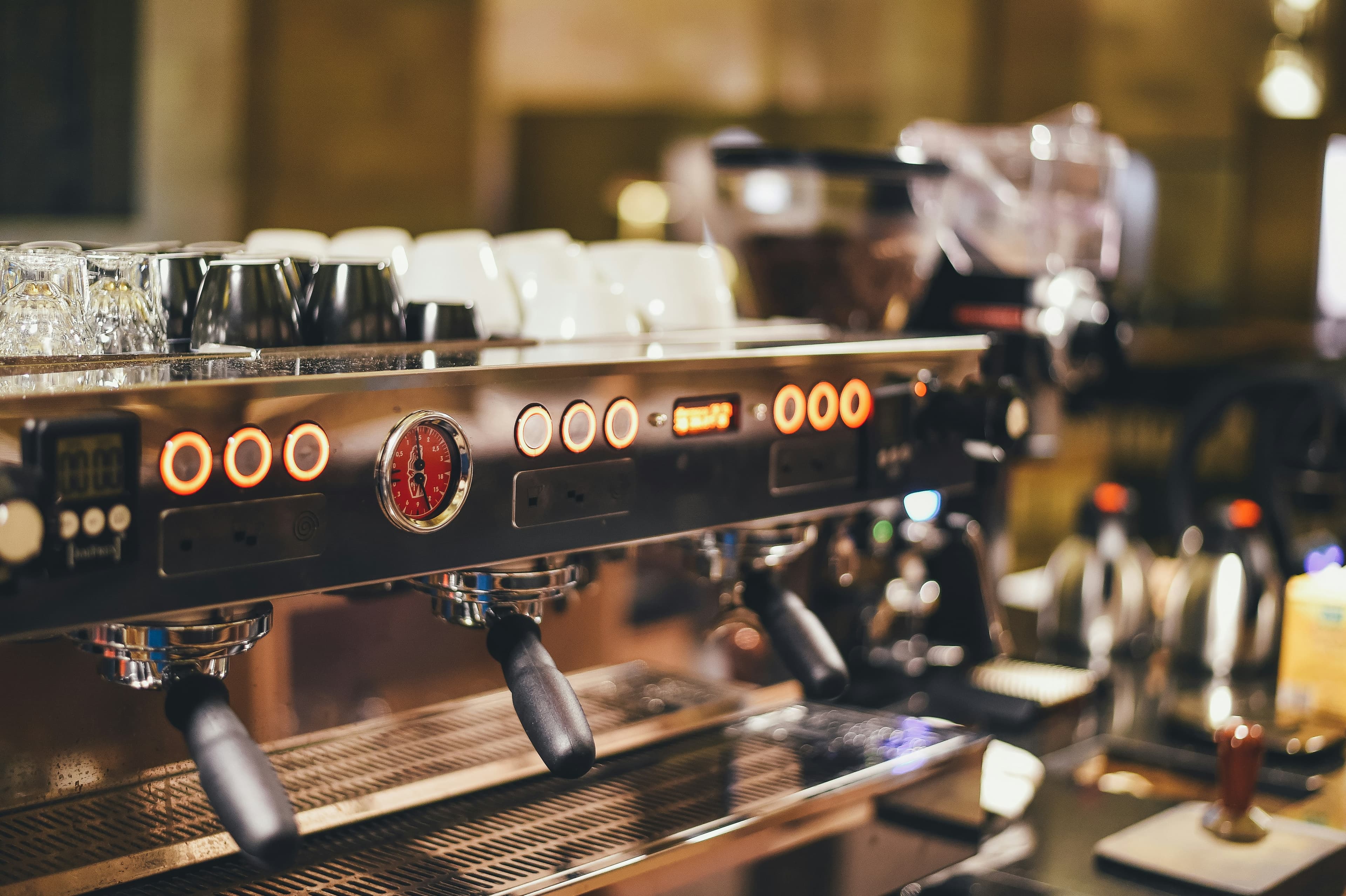
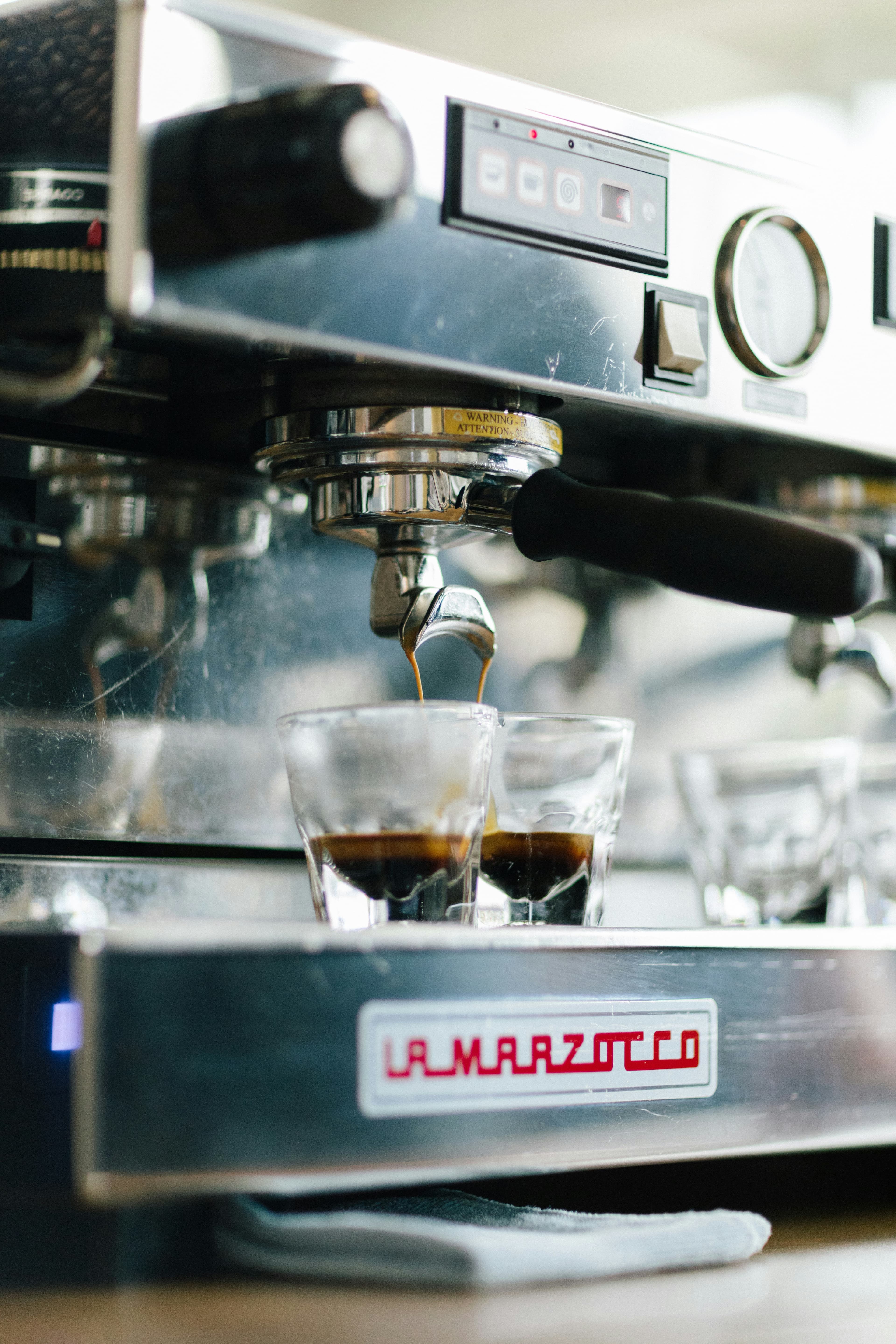
A good machine makes café-quality espresso (real crema, proper extraction, and steamed milk for lattes and cappuccinos) on your schedule, for a fraction of the per-cup cost. Beyond the savings, there’s control: you choose the beans, dial in the grind, and tune the shot, which is both the appeal and the work. The convenience tiers vary: an all-in-one or super-automatic minimizes effort, while an enthusiast machine rewards skill, so match the machine to how much you want to be involved.
Longevity
Longevity varies enormously by build, and it’s where spending wisely pays off. An all-metal enthusiast machine like the Gaggia Classic Pro is repairable and upgradeable for 15 to 20+ years; all-in-one appliances like the Breville Barista Express typically last 5 to 10 with regular backflushing, descaling, and grinder cleaning; super-automatics land around 8 to 12 but cost more to service. Whatever you buy, maintenance is non-negotiable (descaling and cleaning are what keep any espresso machine alive), and a durable grinder will outlast several cheaper machines.
Alternatives to consider
- Breville Barista Express
The best all-in-one starting point: grinder, PID, and pre-infusion in one approachable machine.
7.6 - Gaggia Classic Pro
Our Editor’s Choice for enthusiasts: a repairable, decade-spanning machine that rewards learning.
8.0 - Jura ENA 8
The hands-off route: one-touch café drinks if you’d rather skip the technique entirely.
7.1
The verdict
An espresso machine is worth it for anyone who drinks espresso or milk drinks most days. Used regularly, it pays for itself against café prices within about a year and gives you better control and convenience. It’s not worth it for occasional drinkers, or for anyone unwilling to learn a little and keep up with cleaning. Decide how involved you want to be (all-in-one, enthusiast, or super-automatic) and remember to budget for a good grinder, which matters as much as the machine.