Are Expensive Massage Chairs Worth It?
Updated July 2026
Short answer: Worth It for Some
Up to a point, and price does not track quality as cleanly as the industry wants you to think. The jump from a fixed-head chair to a genuine SL-track machine (a ~$1,600 Real Relax) is a real upgrade everyone feels. Stepping up to a ~$5,000 4D chair (the Osaki OS-Highpointe) buys lifelike rollers, better heat, a sturdier build, and a longer warranty: worth it for frequent users who want the premium experience. But above roughly $8,000, the gains (dual-track, AI scanning) are real yet subject to steep diminishing returns, and, notably, the pricey Osaki and Titan chairs draw more service complaints than some budget brands. So “expensive” is worth it into the mid-premium tier; “flagship” usually is not, unless you specifically want the most advanced massage made.
We may earn a commission when you buy through links on this page. It never affects our scores or picks. How we make money.
Price breakdown
The tiers, once you strip out the fake MSRPs: budget SL-track chairs at ~$1,500 to $1,600 (Real Relax Favor-06), compact full-function at ~$1,500 (Synca CirC), affordable-premium at ~$3,800 to $5,000 (Titan Jupiter LE, Osaki OS-Highpointe 4D), and flagships that list near $12,999 but sell for far less (Osaki OS-Pro DuoMax). The critical move is to ignore the crossed-out “was” price (chairs like the DuoMax and Jupiter LE swing wildly across retailers for the same unit) and judge only what you would pay today. The best value-per-dollar sits in the $2,000 to $5,000 band; below it mechanisms get compromised, above it you pay for refinement most people will not feel.
Performance benefits
What the extra money genuinely buys, in order: a better mechanism (fixed head → 3D SL-track → 4D variable depth and rhythm, the most lifelike), more and better-placed heat zones, sturdier build and higher size limits, body scanning that tailors the massage to your frame, and longer structural warranties. What it stops reliably buying past the mid-premium tier is a proportionally better daily massage: a $5,000 Highpointe already feels excellent, and the $9,000-plus DuoMax’s dual-track and AI, while real, are refinements. And it never buys better support: premium Osaki/Titan service complaints are well documented, so more money does not mean a smoother repair.
Longevity
Longevity is a genuine argument for spending into the premium tier, but only into it, not past it. Budget chairs (Real Relax) carry a decent 3-year warranty undercut by inconsistent support and brutal return-shipping costs. The compact Synca is shorter at 1 to 2 years. The premium Osaki chairs offer the strongest terms (commonly 5-year structural, 3-year in-home), which genuinely protects a bigger investment, with the caveat that the shared Osaki/Titan service organization is slow, so the paper coverage matters more than the experience behind it. Spending up buys better warranty coverage and build; it does not buy a dependable service relationship, which is the category’s real weak point at every price.
Alternatives to consider
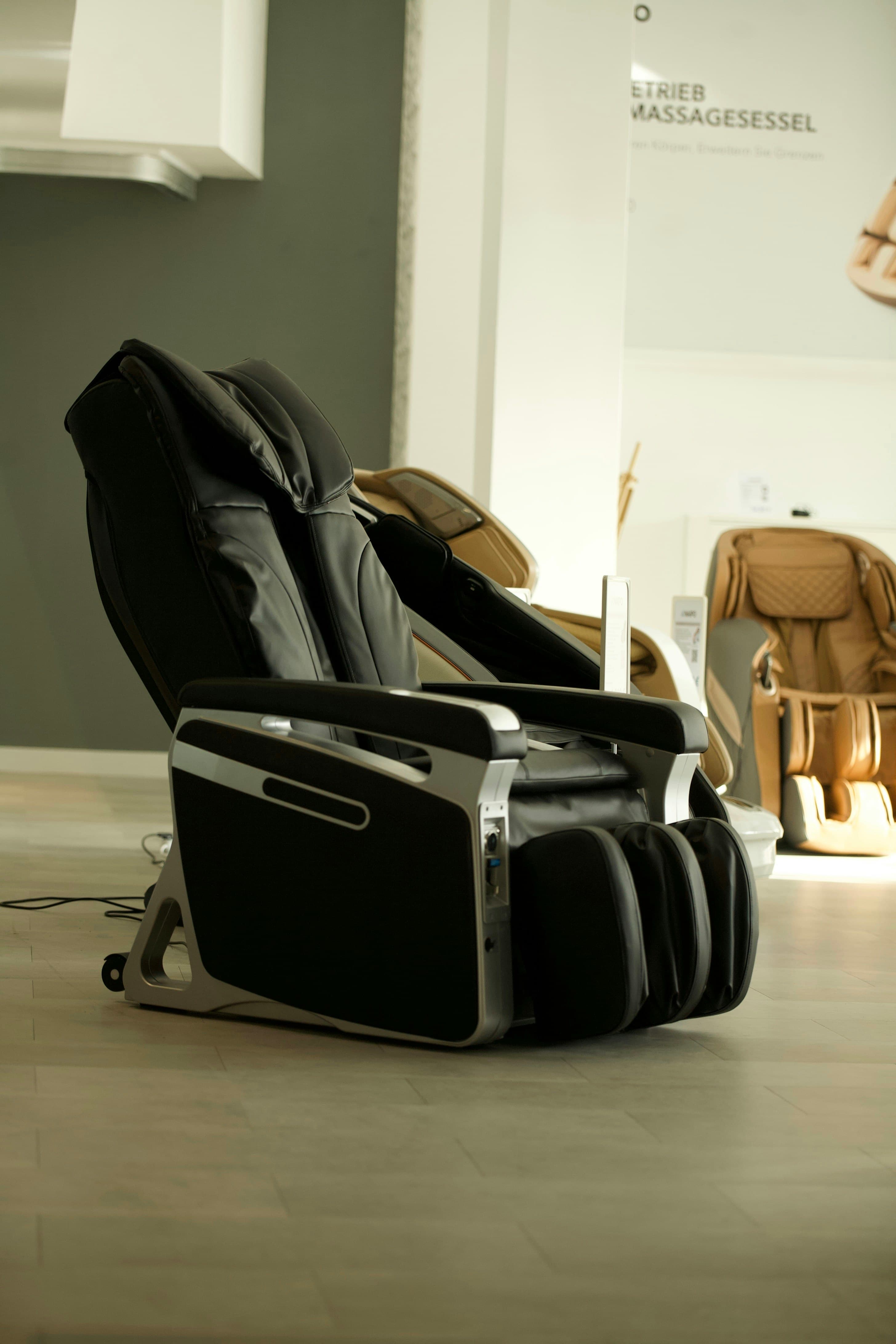
- Real Relax Favor-06
The value floor: a genuine SL-track chair for well under $2,000; the right test before spending big.
6.7 - Osaki OS-Highpointe 4D
Our Editor’s Choice and the mid-premium sweet spot: true 4D and best-in-class heat at a real ~$4,999.
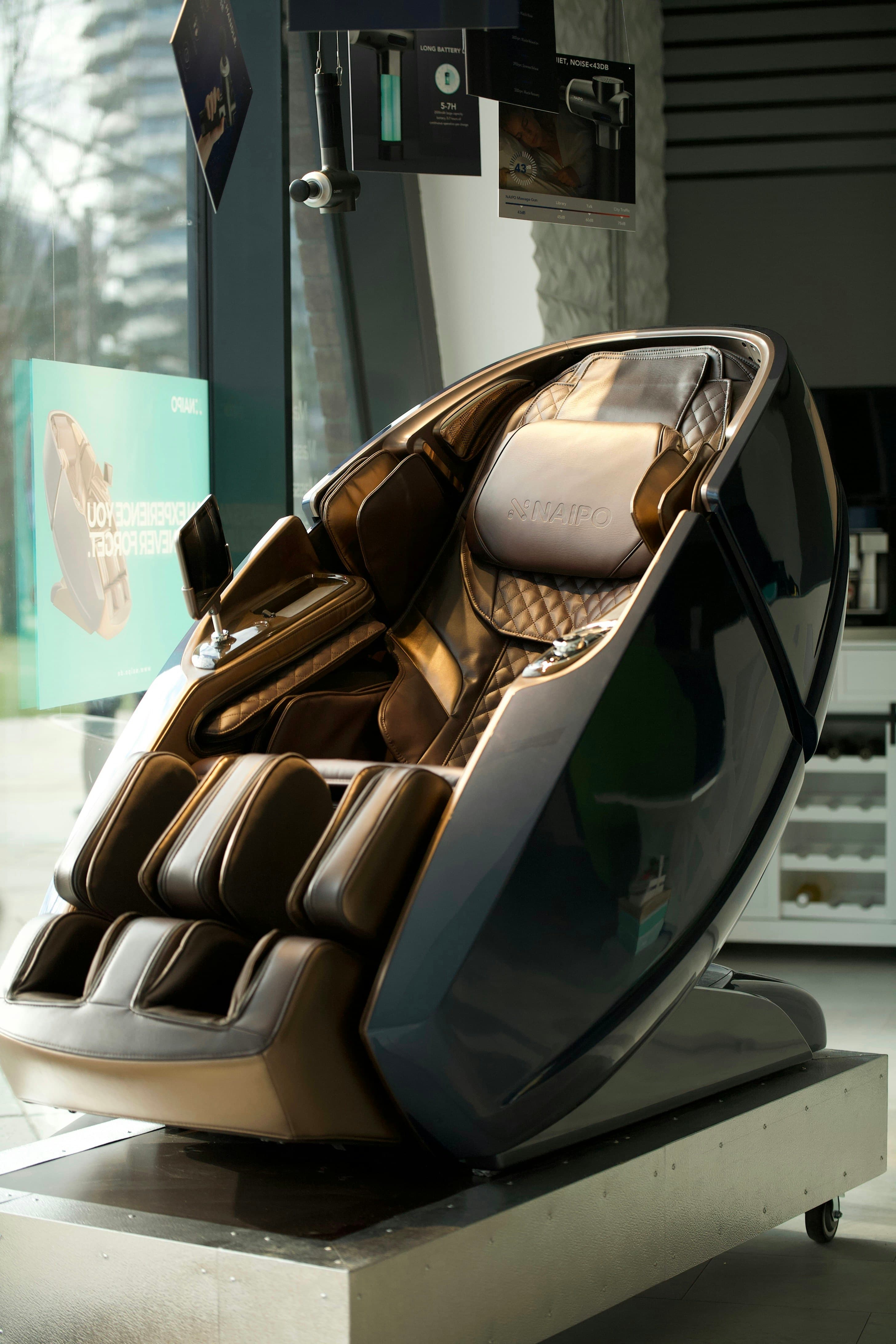
7.9 - Osaki OS-Pro 4D DuoMax
The flagship: the most advanced massage here, but the clearest case of diminishing returns on price.
7.3
The verdict
An expensive massage chair is worth it into the mid-premium tier and rarely beyond it. Moving up to a ~$5,000 Osaki OS-Highpointe buys a genuinely better, more lifelike massage, more heat, and a longer warranty that a frequent user will feel every day: that is money well spent. Going past ~$8,000 to a flagship like the DuoMax buys real but marginal refinement, and it does not buy better support. For most people the smart path is to start with the ~$1,600 Real Relax if unsure, and step up to the Highpointe if you want the premium experience, not to chase the top of a price list that is half fiction anyway.