Are Pellet Grills Worth It?
Updated June 2026
Short answer: Worth It for Some
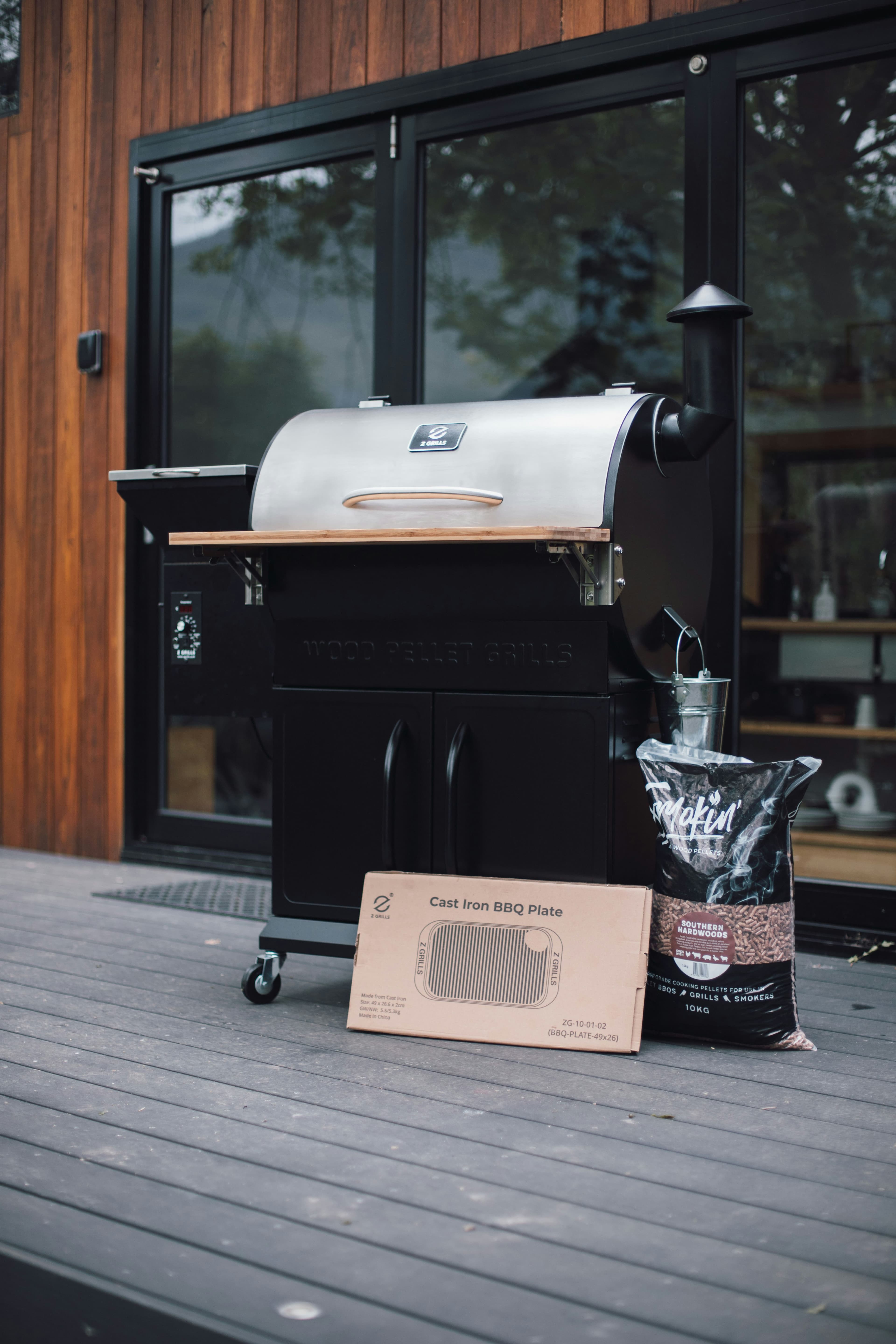
A pellet grill is worth it if you want real wood-smoke flavor with almost none of the fuss: you set a temperature, the grill feeds pellets and holds it automatically, and you can monitor a brisket from your phone. For people who want barbecue without babysitting a fire, it’s genuinely transformative. The trade-offs: most pellet grills sear poorly (they top out lower than gas or charcoal), they need an electrical outlet, and cheaper ones rust and have controller and auger issues. So they’re worth it for the smoke-and-convenience crowd, but if you mainly sear steaks or want zero electronics, gas or charcoal is a better fit.
We may earn a commission when you buy through links on this page. It never affects our scores or picks. How we make money.
Price breakdown
Decent pellet grills start around $500, but the durable, capable ones run roughly $1,000 to $1,300: the Recteq RT-700 is about $1,199 and the Traeger Pro 780 is $999.99. Above the hardware, budget for pellets (an ongoing consumable) and ideally a cover, since the cheaper powder-coated grills rust without one. The key spending lesson from our research: at the ~$1,000 mark, build quality and warranty vary enormously: an all-stainless Recteq with a 6-year warranty is a very different long-term value than a powder-coated grill with a 3-year one at the same price.
Performance benefits
The appeal is hands-off wood-smoke flavor and consistency. A PID controller holds your target temperature for hours, so low-and-slow brisket, ribs, and pork shoulder come out reliably without tending a fire, and the better grills add WiFi so you can watch and adjust from your phone. The honest limitation is searing: many pellet grills top out around 450 to 500°F, not hot enough for a great steak crust, which is why grills that reach 700°F (like the Recteq) are worth seeking out, and why some cooks keep a pellet grill for smoke and a separate gas grill or kamado for high heat.
Longevity
Longevity hinges almost entirely on build, and it’s where the money matters. A stainless-steel pellet grill like the Recteq resists the rust and warping that age powder-coated grills, and pairs with a 6-year warranty (lifetime on the grates) for a buy-it-for-many-years cooker. Cheaper painted-steel grills can rust within a few seasons and rely on a shorter warranty, and across the category the electronic controller, auger motor, and igniter are the parts most likely to need replacement, so a brand with responsive support and a long warranty (again, Recteq stands out) meaningfully lowers the lifetime cost.
Alternatives to consider
- Recteq RT-700
Our Editor’s Choice pellet grill: all-stainless, 700°F searing, big hopper, and a 6-year warranty.
8.6 - Traeger Pro 780
The easiest beginner pellet grill with the best app: just buy on sale and keep it covered.
6.1 - Weber Genesis E-325
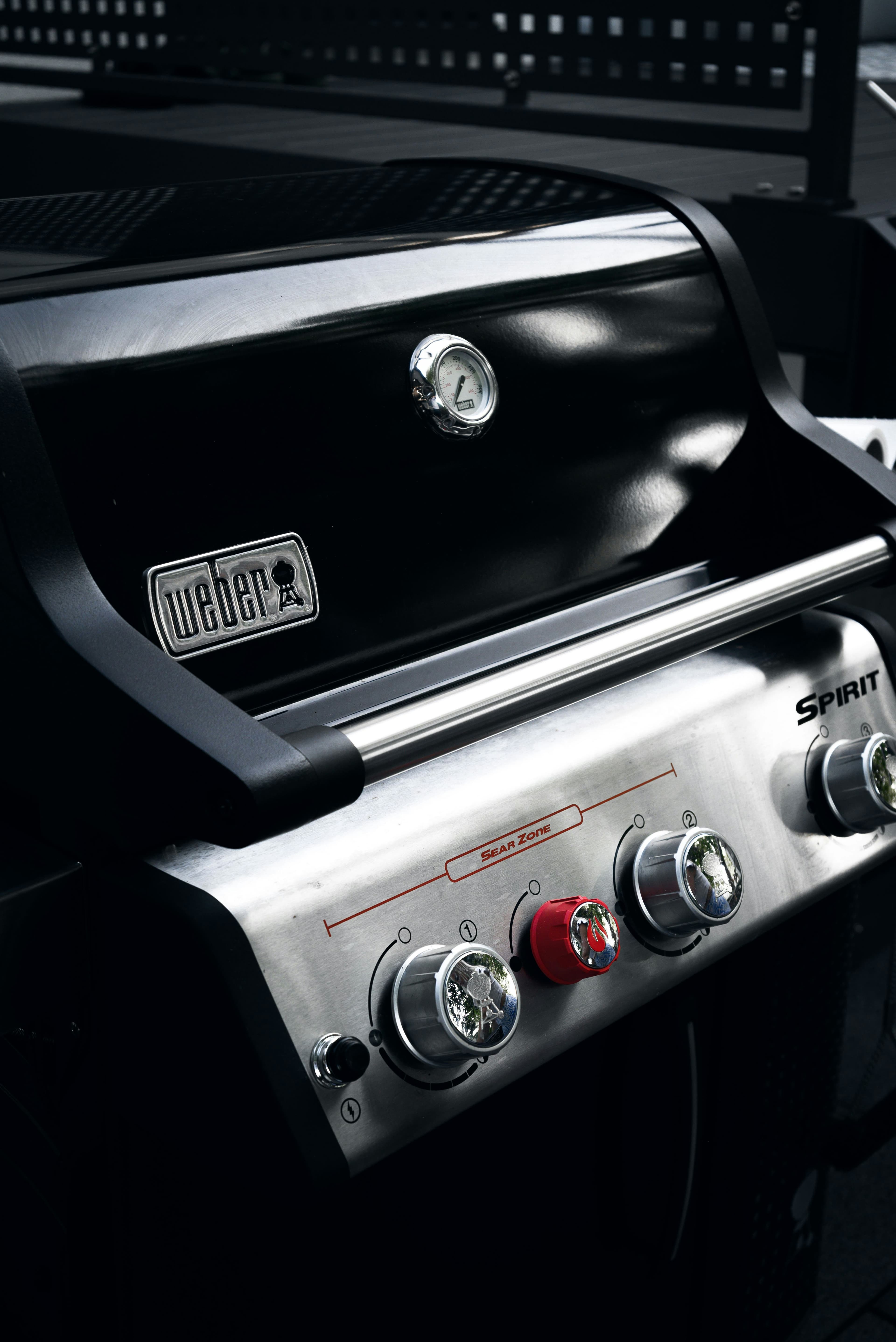
If you mainly sear and want fast, fuss-free cooking with no electronics, a gas grill is the better tool.
8.4

The verdict
Pellet grills are worth it for people who want effortless, consistent wood-smoke barbecue and will use the convenience: for them, set-and-forget smoking is a genuine upgrade. They’re less worth it if you mainly sear, want a grill with no electronics, or buy at the bottom of the market, where rust and reliability bite. If you go pellet, spend on build and warranty: the stainless, longer-warrantied Recteq RT-700 is the one we’d buy, and the better long-term value than a cheaper grill that rusts.