Are Rowing Machines Worth It?
Updated June 2026
Short answer: Worth It
Yes, with one condition: you have to actually row. A rowing machine works roughly 85% of your muscles in a single low-impact motion, delivers cardio and strength together, and is far easier on the joints than running, so for anyone using it a few times a week it is among the best home-fitness purchases available. The money question is less about the category and more about the model: a rowing machine without a subscription that you own outright (the Concept2), or a connected rower whose classes carry a monthly fee. The two honest ways to waste money here are overspending on a subscription machine you will not use, and underspending on a cheap rower that rows badly.
We may earn a commission when you buy through links on this page. It never affects our scores or picks. How we make money.
Price breakdown
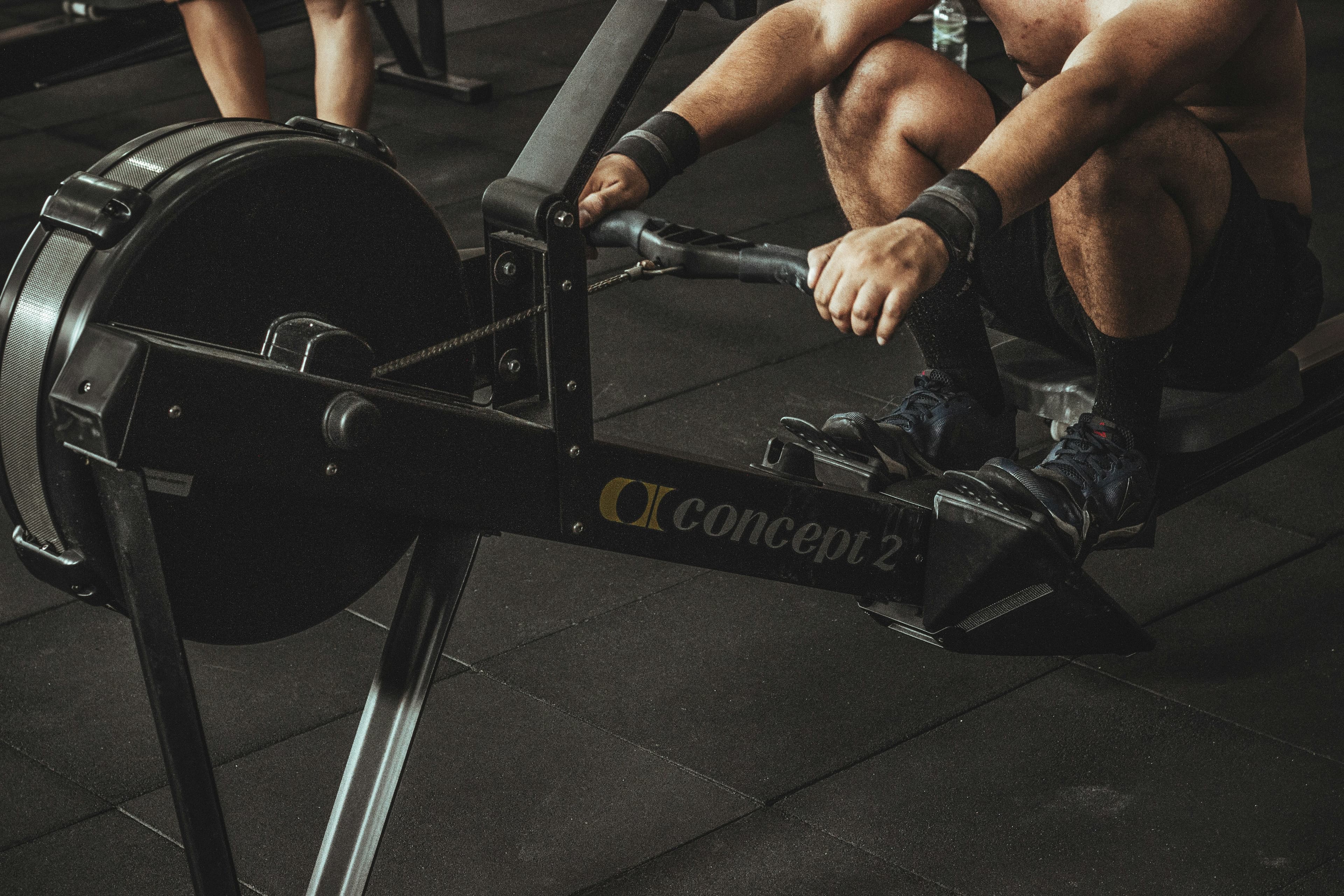
The market splits into two camps with very different long-term bills. Camp one is the no-subscription performance rower: the Concept2 RowErg costs $990, its apps are free, and its resale value is excellent, so the price you see is close to the price you pay. Camp two is the connected rower: roughly $1,695 for a Hydrow Wave up to $3,295 for a Peloton Row, plus memberships that now run $39 to $50 a month. Run those numbers out five years and a connected rower totals about $4,700 to more than $6,000 all-in, several times the lifetime cost of the Concept2. Below both camps sit sub-$500 budget machines, which tend to row poorly and wear out. Weigh subscriptions in years, not months, and spend on the rowing experience you will genuinely repeat.
Performance benefits
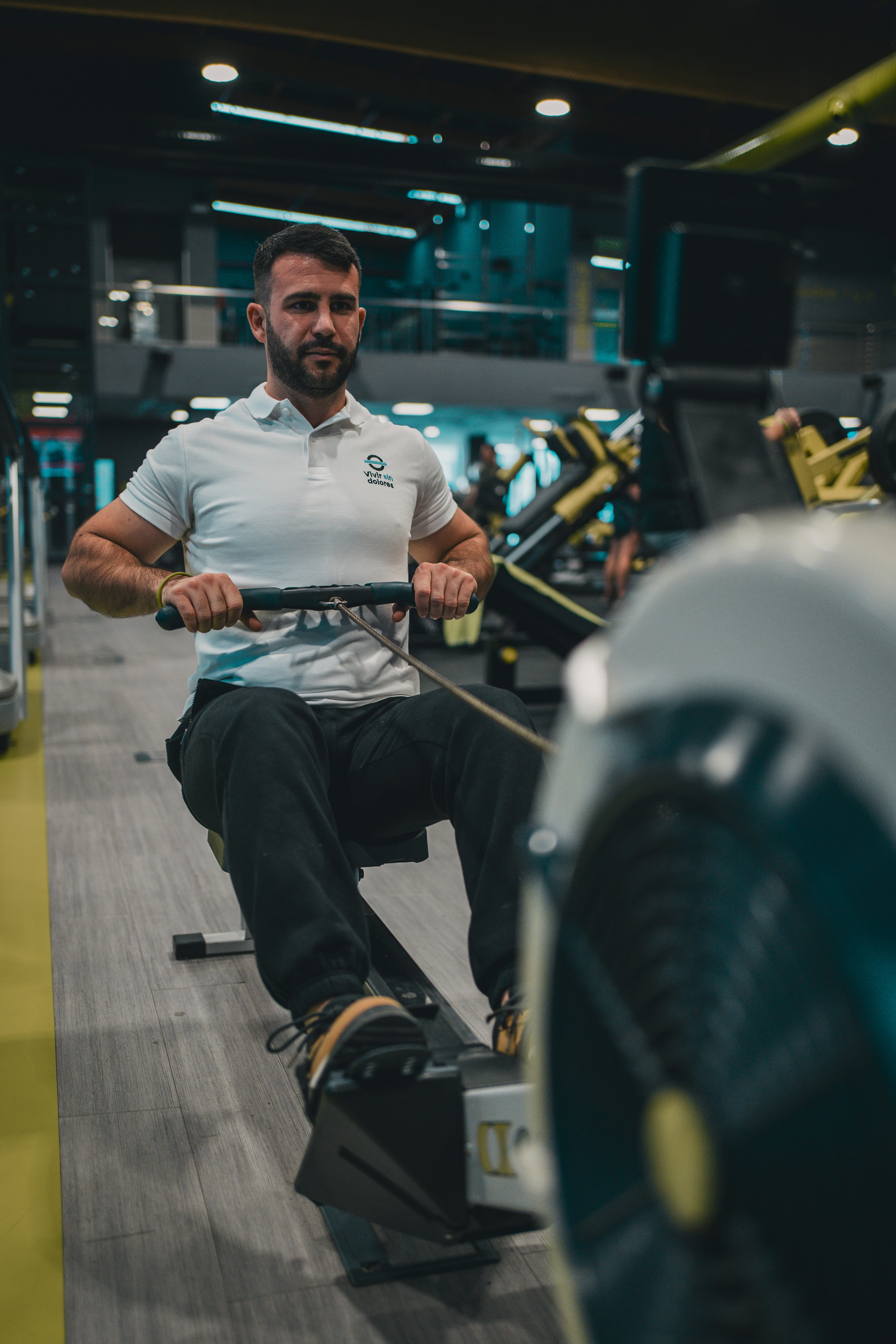
Few home workouts are as efficient per minute. A rowing stroke recruits legs, core, back, and arms at once, combines cardiovascular work with strength, and scales cleanly from gentle recovery sessions to brutal intervals. Because it spares the knees and hips the pounding of running, it is a workout you can still be doing decades from now, which matters more than any single training metric. The honest catch is consistency; every home machine's real rival is the unused corner it stands in. That is precisely the problem connected rowers sell classes to solve, and precisely why a self-motivated person can get identical fitness from a Concept2 and a free app.
Longevity
Longevity is where the two camps separate for good. A Concept2 RowErg lasts decades, runs on cheap user-replaceable parts, holds strong resale value, and owes nobody a monthly fee: a genuine buy-it-for-life machine. Connected rowers age on their platform's terms. The Hydrow Wave and Peloton Row carry just 12-month parts warranties, out-of-warranty repairs can run into the hundreds, and canceling the membership guts both the feature set and the resale value. If cost per year of ownership is your metric, the subscription-free machine is the safer decade-long bet; if classes are what keep you rowing, count the fee honestly across every year you will pay it.
Alternatives to consider
- Concept2 RowErg
Our Best Overall: the durable, accurate, no-subscription rower that costs the least to own over time.
9.3 - Hydrow Wave
The class-motivated pick: immersive instructor-led workouts, if you’ll use them and pay the membership.
6.7 - NordicTrack RW900
The value big-screen option: the most iFit content per dollar on sale, with the brand’s reliability caveats.
7.0
The verdict
Worth it, for the person who shows up. Rowing is efficient, joint-friendly, and full-body, and a good machine is one of the best home-cardio buys going. The purchase just has to match your psychology: self-motivated or value-minded buyers should own a Concept2 RowErg outright and never pay a fee, while people who only train when a class starts can justify a connected rower like the Hydrow, recurring bill and all. The one unrecoverable mistake is buying for the rower you wish you were rather than the one you are.