The $6,500 Pergola Finished Last: What 114 Reviews Say About Price
Updated July 2026
We plotted the scores from 114 reviews in our database against price, looking for the line every luxury brand wants you to imagine: pay more, get more. It is not there. An $8,999 massage chair scored 7.3. So did a $180 chandelier. The $6,500 motorized pergola finished last on value in its guide. The $4,500 designer chandelier is our lowest-scored light fixture, on purpose. A $675 jacket also finished last in its cluster. Meanwhile the top of our value rankings is crowded with products under $400. So if you are asking does price mean quality, our answer after 114 reviews is: loosely, up to a point, and then not at all. Price buys real things (design pedigree, motors, brand history), but past a threshold it stops buying performance and starts buying story. Below: the four expensive bottom-finishers, the three cheap products that embarrassed them, and the dollars-per-point math that is hard to unsee once you see it.
We may earn a commission when you buy through links on this page. It never affects our scores or picks. How we make money.
1 of 7
PURPLE LEAF Motorized Louvered Pergola
7.0
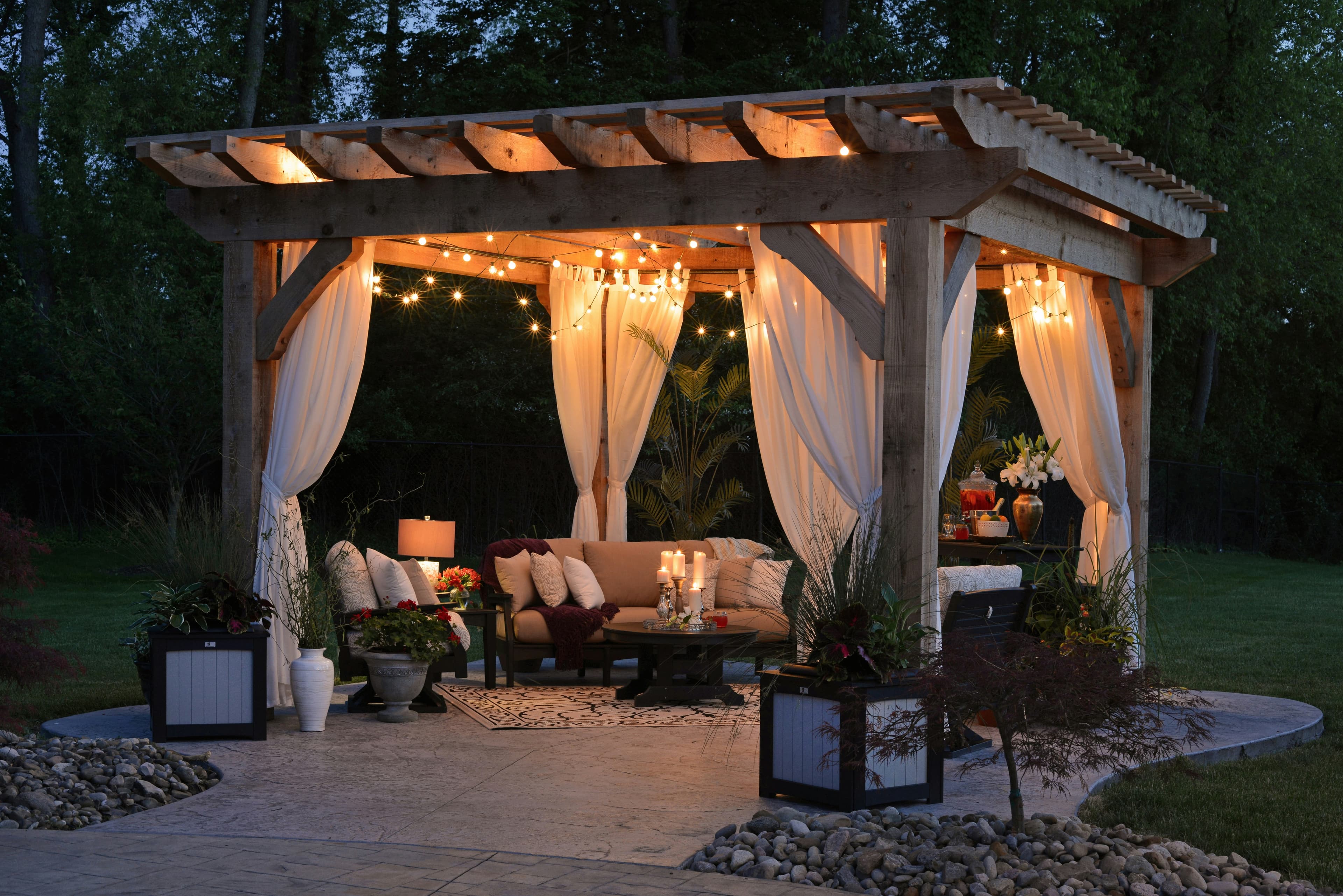
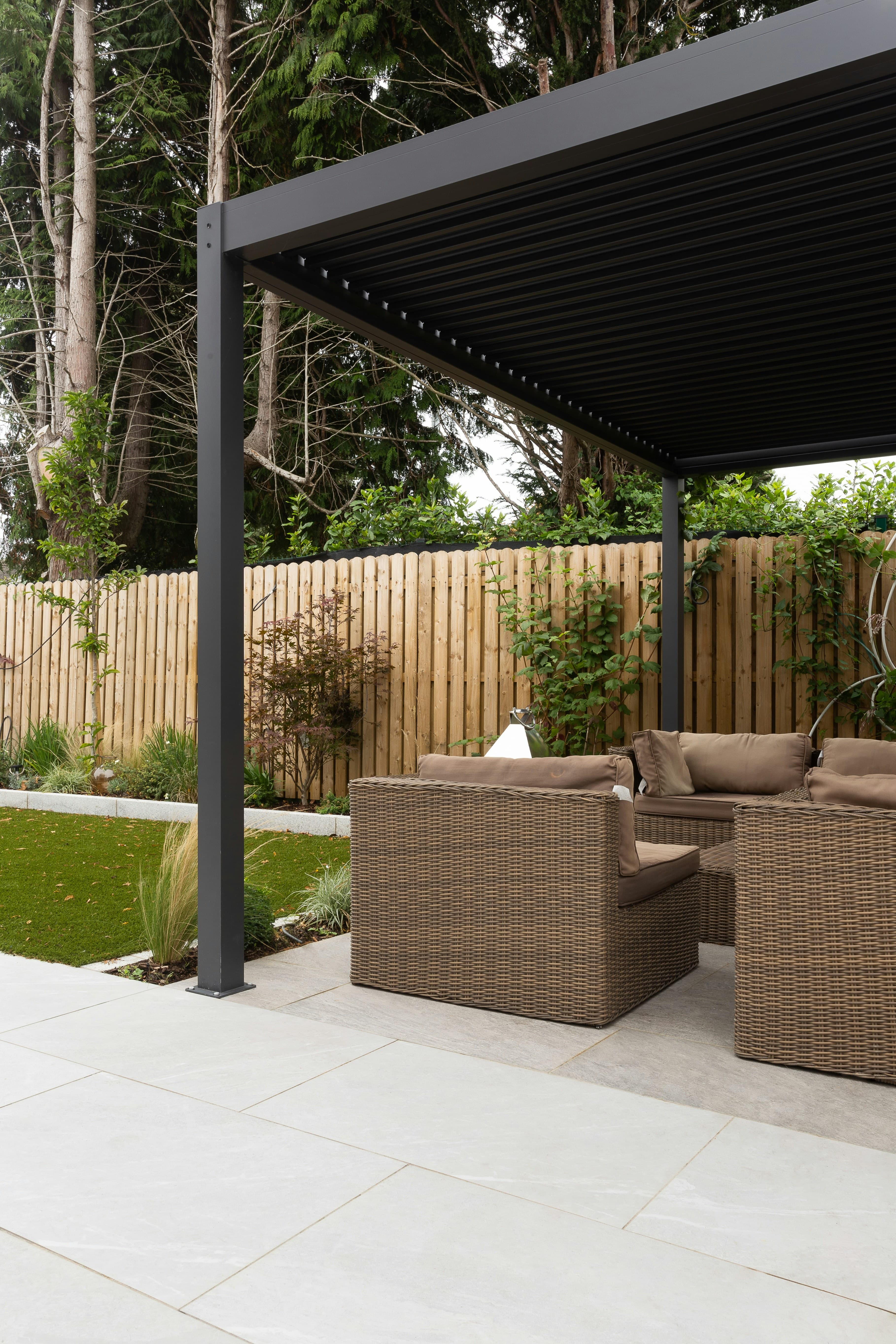
$6,500, scored 7.0: about $929 per score point. Our review calls it the clearest case in its guide of price not tracking performance. The weather ratings are no better than the manual version of the same pergola, and a $2,500 gazebo in the same guide posts stronger verified wind and snow numbers. What the extra money buys is real (remote-controlled louvers, rain-sensor auto-close, integrated LED lighting), but that is a convenience upgrade wearing a durability price tag. The motor also adds a new failure point, and long-term data on it is thin.
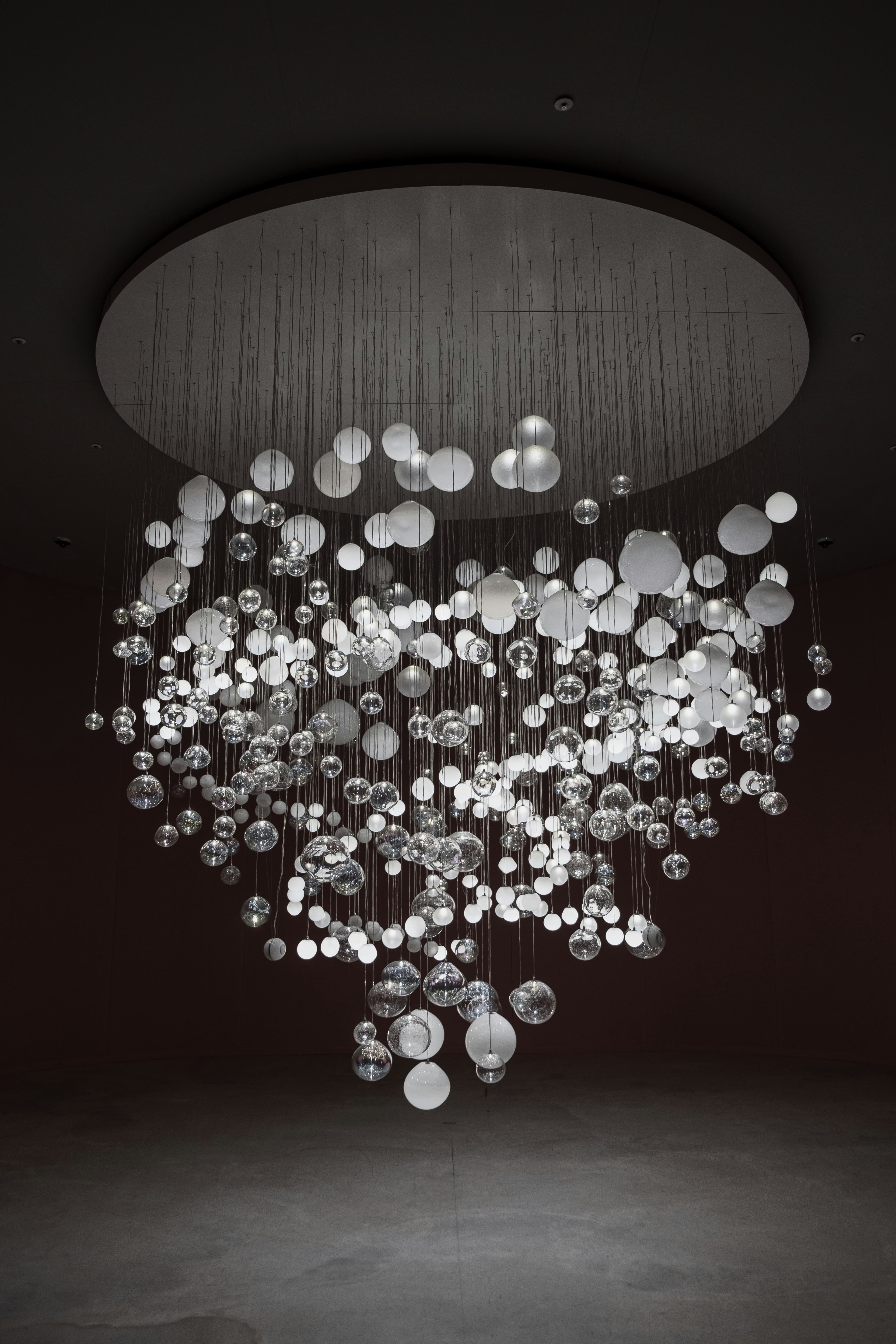
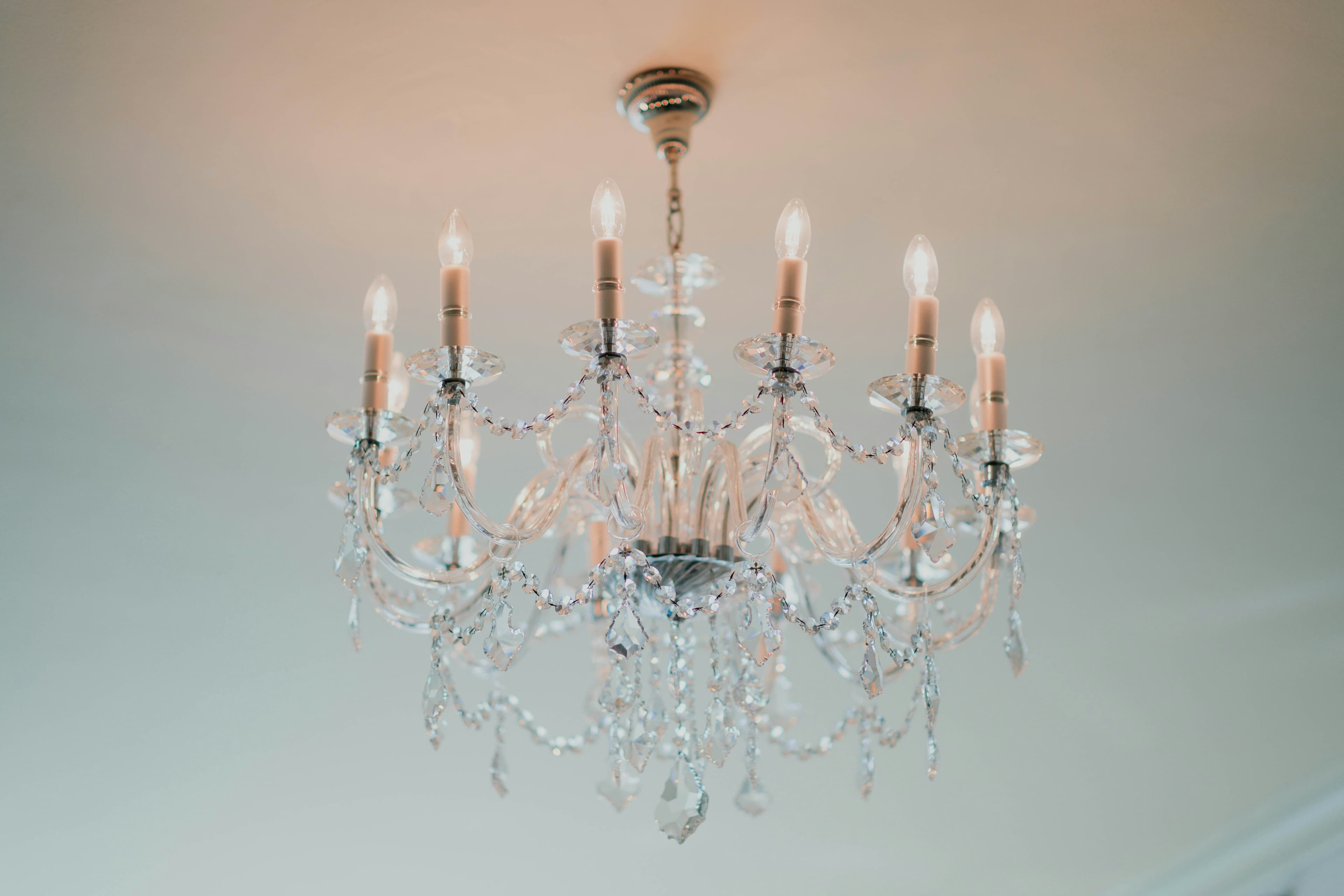
$4,500 to start, with the 13-light configuration running into the $7,000s, and it is our lowest-scored fixture at 6.9. That is deliberate. The design pedigree is genuine: a 2018 Good Design Award, real modular engineering, the only true independent design brand in its guide. But for a normal dining room, the everyday experience is not ten times better than a house-brand fixture at a tenth of the price. Our review's own verdict: an excellent product that 95% of buyers should not buy. And the integrated LEDs cannot be swapped when they eventually dim.
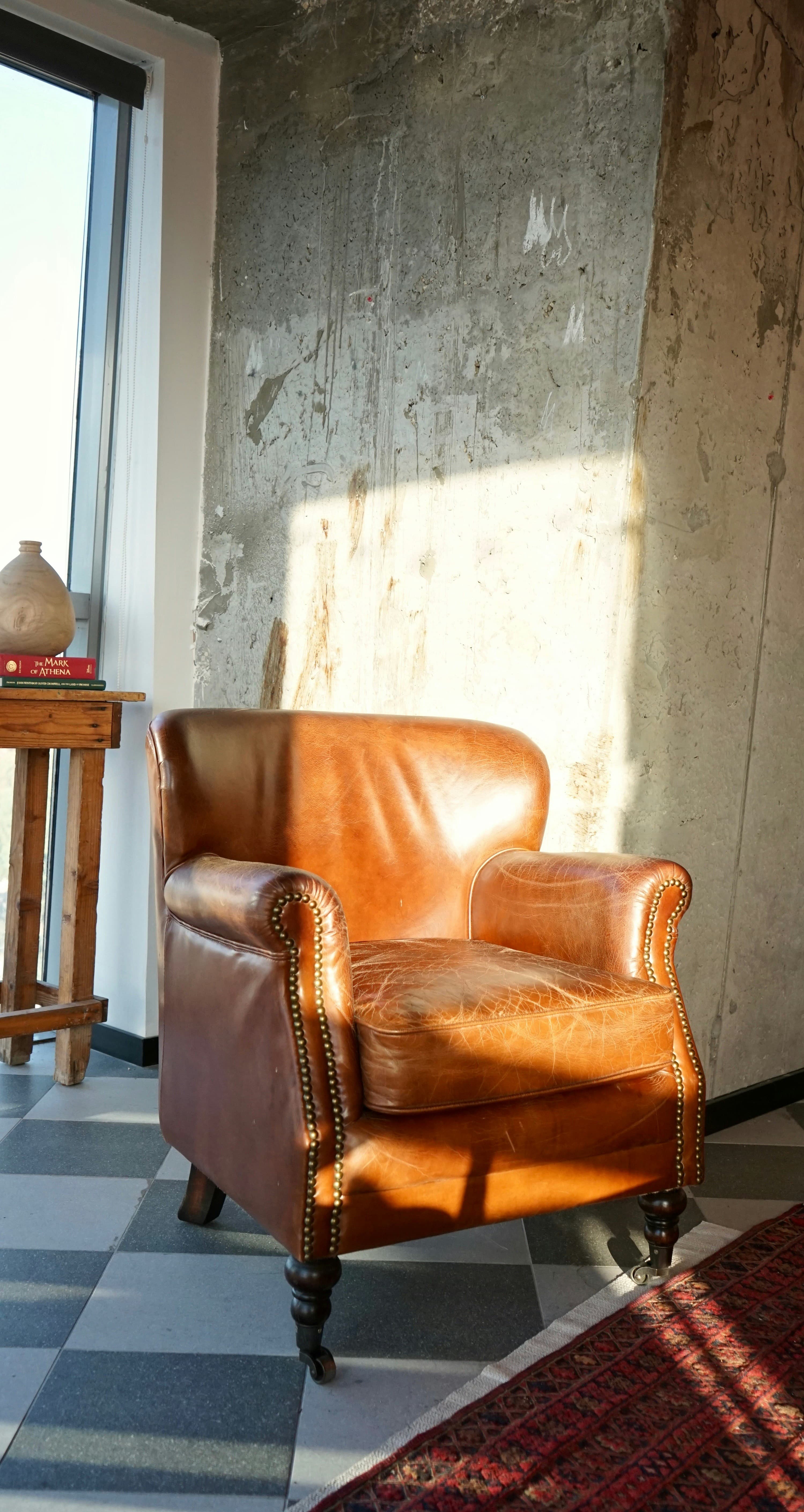
$1,559 and a 6.0, the lowest score on this page, which works out to about $260 per point. The classic club-chair look is real (100% top-grain leather, nailhead trim, carved wood legs) and Barcalounger is the oldest recliner brand in America. But the owner reports collected in our research include leather peeling at pivot points, power motors failing within months, four to five month waits for parts, and arms detaching from the frame. The brand's aggregate reputation sits around 1.7 out of 5. The price bought heritage styling. It did not buy reliability.
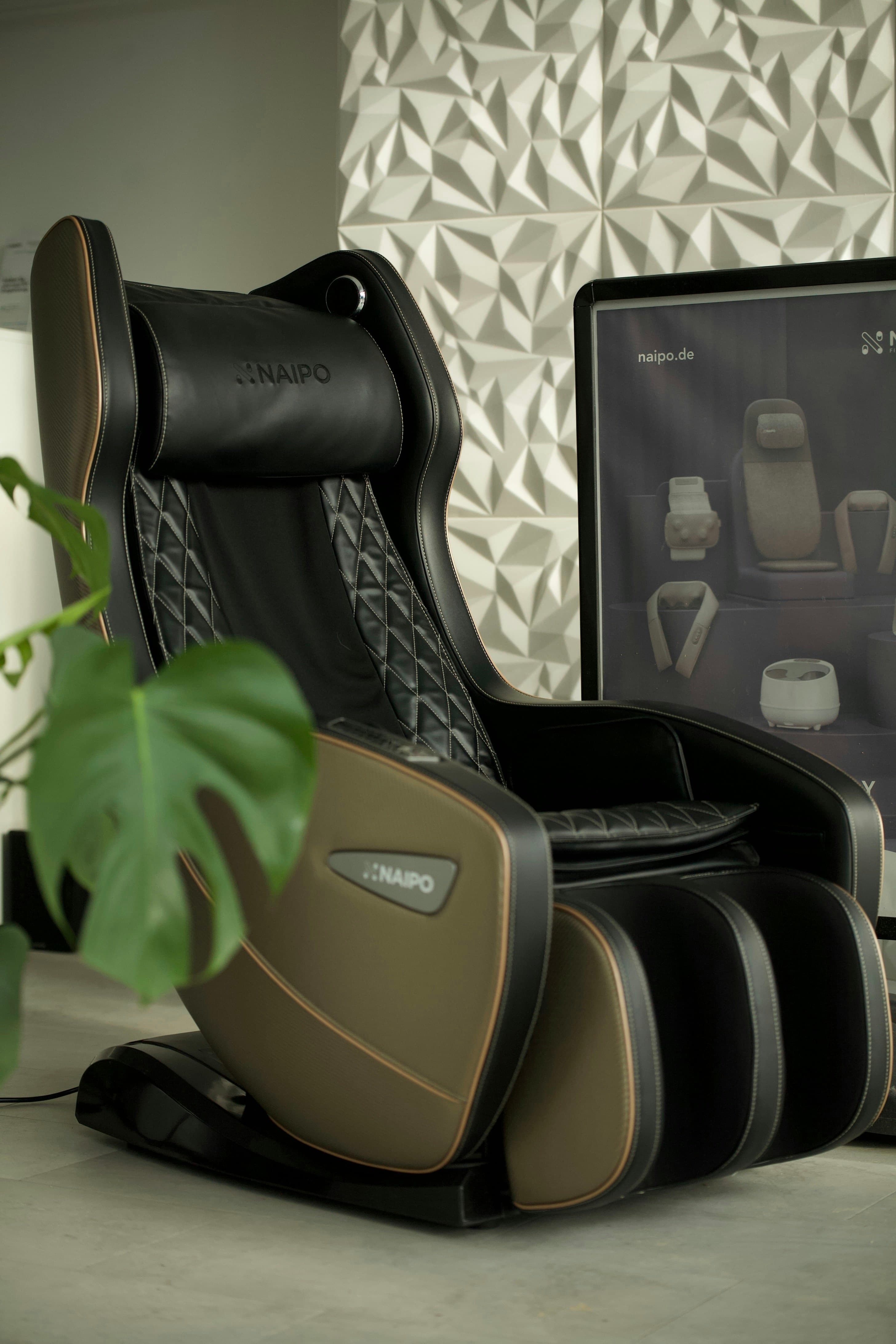
$8,999, scored 7.3: roughly $1,233 per score point, the worst ratio on this page. The tech is genuinely the most advanced we researched, with dual-track rollers working the upper and lower back simultaneously and an AI body scan reading heart rate and blood oxygen. And the pricing theater makes it feel like a win: markdowns from a $12,999 list price that means nothing. But the everyday massage is only incrementally better than far cheaper machines, and the parent company has a documented pattern of slow-repair complaints. The same 7.3 is available further down this page for $180.
$190, scored 8.6, the highest rating on this page: about $22 per score point, versus the massage chair's $1,233. That is 56 times more score per dollar. What the money buys is the stuff that matters: a hiking-grade adjustable harness that carries weight better than any travel bag near its price, and the All Mighty Guarantee, repair or replace for any reason, forever, no receipt. The trade-offs are cosmetic: a single big cavity inside and an outdoorsy look. When people ask are expensive products worth it, this bag is the counterexample that keeps answering no.
$369, scored 8.3: $44 per score point, plus a 15 year warranty on the frame, motors, and electronics, coverage that outruns everything in the four-figure rows above it. Dual motors, 355 pound capacity, four memory presets, ANSI/BIFMA-certified steel. The compromises are honest and small: fewer finish options than premium desks, a crossbar that can graze the knees of close sitters, a little wobble at full height. This is what the money-to-performance curve looks like when a product competes on function instead of story.
$180 and a 7.3, which is the number that breaks the chart: the same score as the $8,999 massage chair, for 2% of the price. About $25 per point. We are not pretending it is heirloom quality. Our review logs real quality-control complaints (missing instructions, parts that do not tighten firmly, some SKUs not dimmable out of the box) and lighter-gauge materials that will not last decades. But on dollars per visual impact it is the value champion of its guide, a modern linear fixture that reads far more expensive than it is. Overpriced has an opposite. This is it.
Sometimes, and our 114 reviews show exactly when. Price and quality track together at the bottom of the market, then decouple at the top: the $8,999 massage chair and the $180 chandelier both scored 7.3 in our research. Spend up for the things that compound (long warranties, repairability, verified durability), like the $190 Osprey with its lifetime repair-or-replace guarantee. Do not spend up for convenience features or design pedigree and expect performance to come with them.
Does price mean quality?
Not reliably past the mid-range. In our database, the $6,500 motorized pergola has weather ratings no better than its own manual version, and a $1,559 recliner posted our lowest score on this page at 6.0 while a $369 desk scored 8.3 with a 15 year warranty. High prices often pay for a story: brand history, design awards, motorized convenience. Quality shows up in warranty terms, owner reports, and verified performance numbers, and those do not scale with the sticker.
What are the most overpriced home products?
By dollars per score point in our research: the $8,999 Osaki massage chair (about $1,233 per point), the $6,500 PURPLE LEAF motorized pergola (about $929), and the $4,500-plus Sonneman Constellation chandelier (about $652). None of them is a scam. Each is a real product whose price buys convenience, technology, or design pedigree rather than measurably better everyday performance. For comparison, the best value ratios on this page run $22 to $44 per point.