The Cafe Hopes You Never Do This Math. We Did It Anyway.
Updated July 2026
Here is the espresso machine cost per cup formula nobody runs before buying: machine price, divided by daily shots, over the years the machine actually survives. Beans cost the same whichever box you buy, so the machine is the variable, and lifespan is the denominator that changes everything. Take one shot a day, 365 a year. The Gaggia Classic Pro at $549, plus the $150 grinder it demands, is about $699 in. Owners keep these running 15 to 20 years, so 15 years of daily shots is 5,475 pulls: roughly 13 cents of hardware per cup. The Jura ENA 8 costs $1,999, and even a full decade of daily drinks, 3,650 of them, works out to about 55 cents each, before its costly out-of-warranty repairs enter the picture. The repair path is the whole story here. The cheapest way to make espresso at home is not the cheapest machine. It is the machine you never have to replace.
We may earn a commission when you buy through links on this page. It never affects our scores or picks. How we make money.
1 of 4
Gaggia Classic Pro
8.0
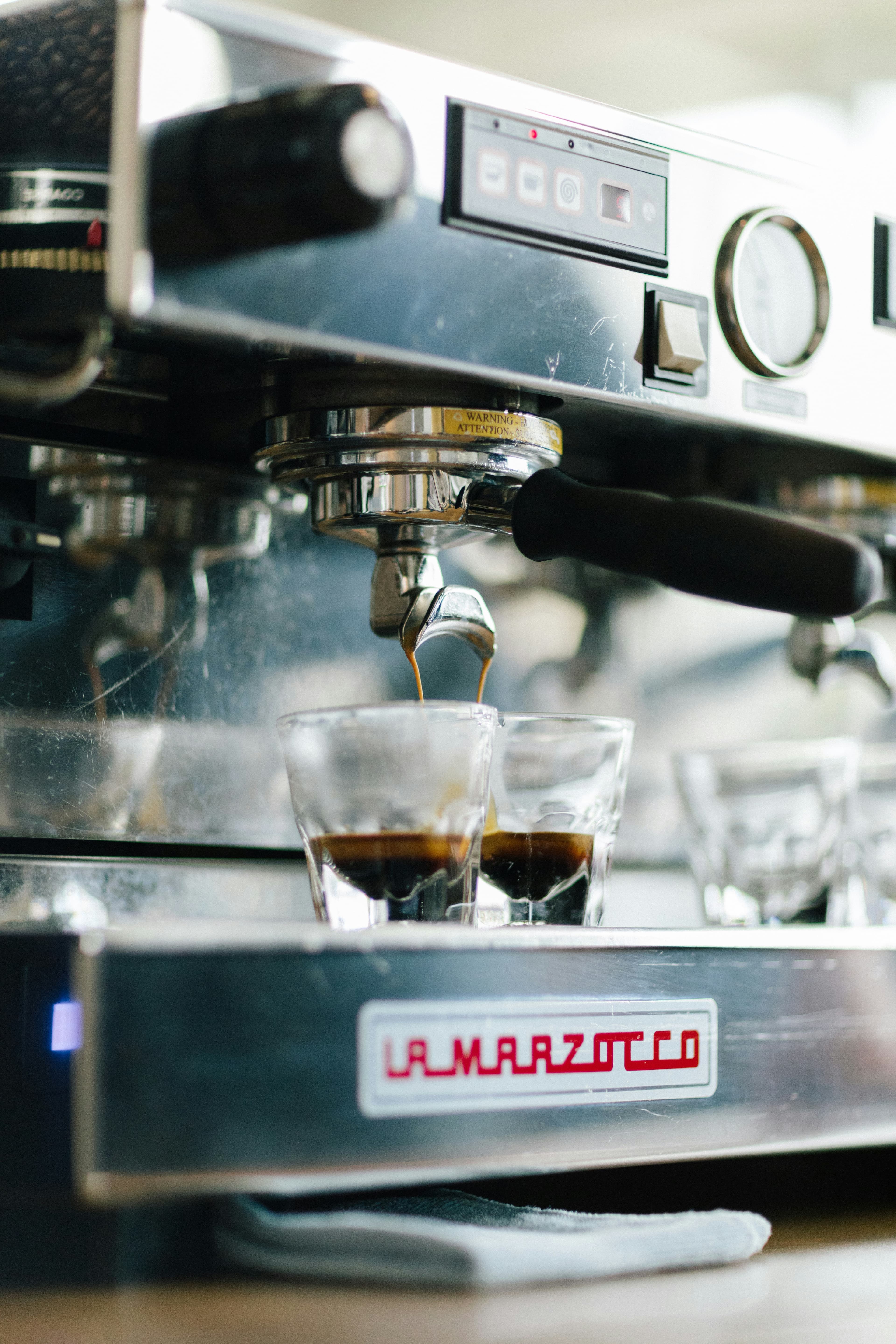
The denominator king. All-metal, commercial 58mm portafilter, brass group head, and a design you can repair and upgrade for decades, which is why owners keep them going 15 to 20 plus years. That repairability is what drives the roughly 13 cents per cup figure: parts and mods keep the same machine alive instead of forcing a rebuy. The habit it demands is real: no PID out of the box means temperature surfing, there is no grinder, and the single small boiler makes you wait between shot and steam. You are signing up for a craft, and the cheapest espresso in this guide.
The one-box answer. At $699 list, often $500 to $630 on sale, the built-in burr grinder, PID, and pre-infusion mean your sticker price is your whole setup price: no $150 to $400 grinder hiding in the fine print. On sale at $549, ten years of daily shots would run about 15 cents each. The catch sits in that if: our research found only middling long-term repairability, inconsistent parts availability, and a 1 year warranty, so the lifespan assumption is softer than the Gaggia's. Its daily habit is mild: manual weight dosing for best results, and a wait between brewing and steaming.
The small-kitchen entry. At $499 plus a required grinder, call it about $649 in, ten years of daily shots would be roughly 18 cents each. What that buys day to day is the lowest-effort real espresso here: 3 second heat-up, PID, pre-infusion, and an automatic steam wand that textures milk hands-free, so the maintenance habit is basically refilling the small 1.9 liter tank. The trade-offs: at about 3 pounds you steady it by hand when locking the portafilter, and US units ship with pressurized baskets only, so serious dialing costs extra. A 2 year warranty beats both rivals above.
The convenience tax, itemized. $1,999 buys 15 one-touch drinks, a self-cleaning milk system, and zero technique, and that is genuinely the point: it even descales itself with on-screen guidance. But the lifetime denominator works against it. The brew group is non-removable, consumables are Jura-only, and out-of-warranty repairs are costly, so the repair path that makes a Gaggia cheaper every year makes the Jura more expensive. Five years of daily drinks is about $1.10 each in hardware alone; a decade gets you to about 55 cents. You are paying roughly triple the Gaggia setup to skip the ritual.
Divide the full setup price, machine plus grinder if one is not included, by total shots over the machine's realistic lifespan. On one shot a day, a Gaggia Classic Pro setup at about $699 over 15 years is roughly 13 cents per cup of hardware, while a $1,999 Jura ENA 8 over ten years is about 55 cents. Beans and milk are extra, but they cost the same on every machine.
Is a Jura worth it?
Only if convenience is the product you are buying. The ENA 8 makes 15 cafe drinks at a button press, cleans its own milk system, and asks for no skill. But it is the priciest machine in our research at around $1,999, makes one drink at a time, runs milk cool, and its non-removable brew group and Jura-only consumables make out-of-warranty repairs costly. A semi-automatic plus a good grinder costs less and tastes better.
What is the cheapest way to make espresso at home?
Over time, the Gaggia Classic Pro. Its sticker plus a mandatory grinder is about $699, more than a sale-price Barista Express, but its all-metal, repairable design keeps running 15 to 20 years, which drives per-cup hardware cost to roughly 13 cents. If upfront price is the constraint, the Barista Express on sale at $500 to $630 is the cheapest complete setup in one box.